Understanding the Basics of Fly Fishing Nets
What is a Fly Fishing Net?
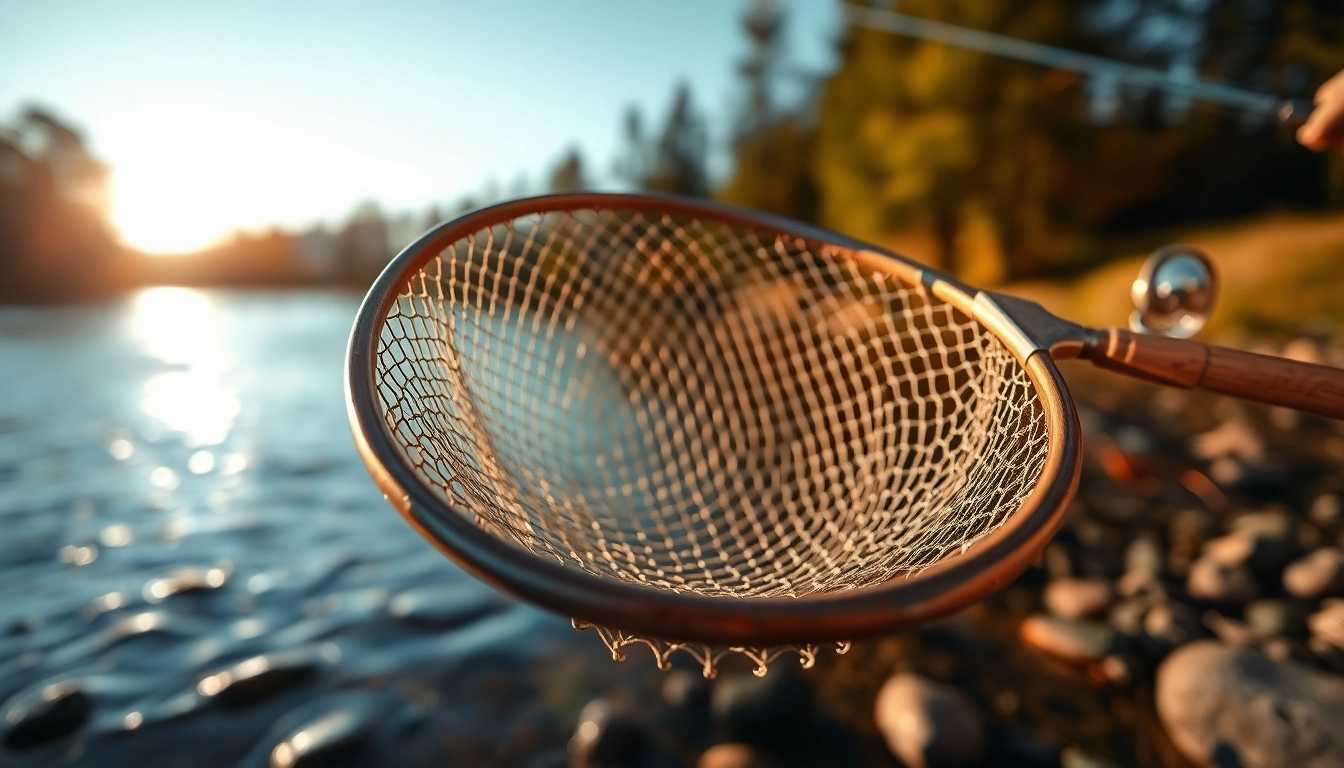
A Fly fishing net is an essential tool for anglers who wish to safely catch and release fish without causing harm. Typically constructed with a lightweight frame and a soft mesh bag, these nets are designed to minimize stress and injury to fish during the landing process. Unlike traditional fishing nets that may use hard materials or coarse mesh, fly fishing nets are tailored specifically for the delicate handling of fish species often targeted in fly fishing, such as trout and bass.
Types of Fly Fishing Nets
When choosing a fly fishing net, it's crucial to understand the different types available, as each serves specific purposes and environments:
- Landing Nets: Used primarily for landing fish, these nets come in various sizes and designs, often with a hoop and handle for ease of use.
- Catch and Release Nets: These nets are made with rubberized mesh to prevent injury to fish, making them ideal for anglers focused on conservation.
- Boat Nets: Designed for use from boats, these nets often have longer handles and sturdier frames to facilitate fish landing in challenging conditions.
- Coiled Nets: A more compact design, suitable for hikers or backpackers who need to save space while still having a reliable fishing tool.
Benefits of Using a Fly Fishing Net
Using a fly fishing net can dramatically enhance your fishing experience. Key benefits include:
- Reduced Fish Mortality: The soft mesh reduces stress and injury, increasing the chances of survival after release.
- Convenience: Nets make it easier to land fish quickly, allowing for a smooth catch-and-release process.
- Improved Grip: The design of these nets provides a secure grip, especially in wet conditions, reducing the likelihood of losing a catch.
- Versatility: Fly fishing nets are available in numerous styles and sizes, making them suitable for different types of fishing, locations, and species.
Key Features to Look for in a Fly Fishing Net
Material and Build Quality
The material and build quality of your fly fishing net significantly affect its durability, weight, and functionality. Common materials include:
- Wood: Offers a classic aesthetic, often lightweight but requires maintenance to prevent rot.
- Aluminum: Light and strong, aluminum nets are popular for their portability and resistance to corrosion.
- Composite Materials: These usually combine lightweight elements with a robust design, improving durability and handling.
Size and Design Considerations
Choosing the right size and design of your fly fishing net is vital for effective fish handling. Key considerations include:
- Hoop Size: A larger hoop can accommodate bigger fish, while smaller hoops are more maneuverable in tight spaces.
- Handle Length: Ensure the handle is long enough to reach over the water's edge but not so long that it becomes unwieldy.
- Weight: Consider the weight of the net, especially if you’ll be carrying it for extended periods.
Mesh Type and Knotting
The type of mesh and knotting used in a net can influence performance and fish welfare:
- Rubberized Surface: Recommended for catch and release fishing, as it is more gentle on fish scales and fins.
- Knotless Design: This style further minimizes damage to fish and reduces snagging of hooks.
- Mesh Size: Smaller mesh may prevent fish from escaping but can lead to tangling; larger mesh is easier on fish but might allow smaller catches to escape.
Maintaining and Caring for Your Fly Fishing Net
Cleaning Techniques
To prolong the life of your fly fishing net, regular cleaning is essential. Here are some effective methods:
- Freshwater Rinse: After each use, rinse the net with freshwater to remove dirt and debris.
- Periodic Deep Clean: Soak in a solution of mild soap and water, then scrub gently with a soft brush to eliminate algae or other contaminants.
- Dry Thoroughly: Ensure your net is completely dry before storing to prevent mold and deterioration.
Storage Tips
Proper storage can help maintain your fly fishing net's integrity:
- Out of Sunlight: Store in a cool, dark place to prevent fading and deterioration of materials.
- Hanging Storage: If possible, hang the net to avoid creasing and bending, which can lead to inefficiency in use.
- Use Cases or Bags: Consider using a dedicated bag to protect from scratches and other potential damage.
Common Repairs and Enhancements
After extensive use, you may find the need for repairs or enhancements:
- Replacing Mesh: If the mesh becomes torn or worn out, it's often possible to replace it rather than buying a new net.
- Repairing Frames: For minor frame bends, carefully reshape or use a strong adhesive to fix breaks in materials.
- Upgrading Handles: Consider upgrading to a more ergonomic handle for increased comfort while using the net.
Choosing the Right Fly Fishing Net for Different Fishing Styles
Freshwater vs. Saltwater Fishing Needs
Understanding the distinctions between freshwater and saltwater fishing is crucial for selecting the appropriate net:
- Freshwater Nets: Generally lighter and designed to handle smaller fish species, appropriate for lakes, rivers, and streams.
- Saltwater Nets: Often require a sturdier build with corrosion-resistant materials to withstand the harsh conditions of saltwater environments.
Recommendations Based on Fish Species
Your target fish species should guide your net selection:
- Trout: Smaller, lightweight nets with a gentle trap design are ideal.
- Bass: A larger net with a robust frame, capable of handling heavier fish.
- Saltwater Species: Bigger, stronger nets with a deeper mesh to accommodate larger catches.
Budget Considerations for the Best Fly Fishing Net
When selecting a fly fishing net, it’s important to set a budget while considering the material, build quality, and features you need. Given that prices can vary widely depending on design and specifications, it's worthwhile to research options within your price range. Invest in a net that provides the best balance between cost and functionality to ensure a positive return on your investment over the long term.
Where to Buy the Best Fly Fishing Net
Online vs. In-Store Shopping
When it comes to purchasing your fly fishing net, both online and in-store options have their advantages:
- Online Shopping: Offers a wider variety of nets, often with comprehensive reviews and comparisons. It’s ideal for those who want the convenience of shopping from home.
- In-Store Shopping: Enables you to physically assess the quality, size, and feel of the net before making a purchase. Also, you can seek advice from knowledgeable staff regarding the best options for your fishing style.
Trusted Brands and Reviews
While it's unnecessary to mention specific brands, looking for trustworthy companies with positive customer reviews can guide you to reliable options. Research consistently ranks nets based on durability, ease of use, and customer satisfaction ratings, which can help you make an informed decision.
Sales and Discounts
Be on the lookout for seasonal sales, promotions, or bundled deals that may provide opportunities to purchase a higher-quality net at a lower price. Sign up for newsletters from retailer websites to receive notifications about upcoming sales and exclusive discount options.