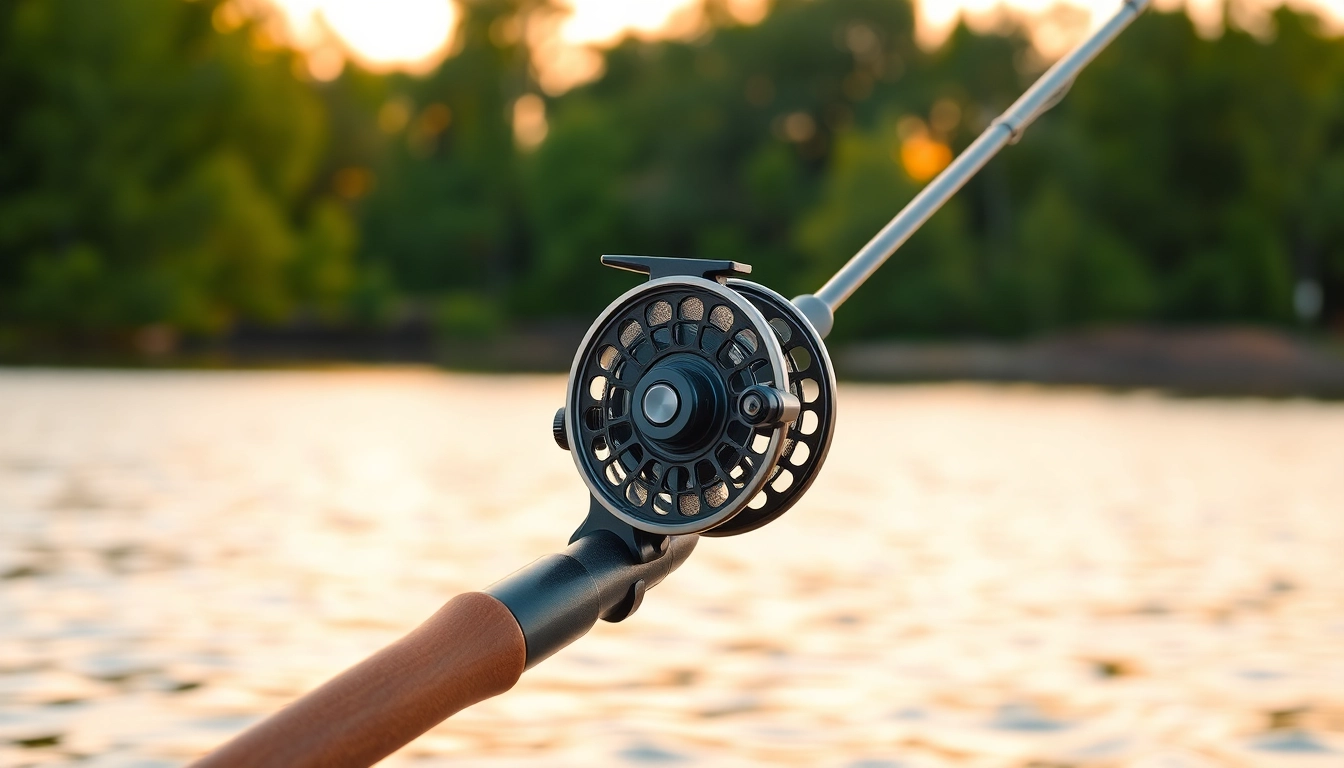
Understanding the Best Fly Fishing Reels
Choosing the best fly fishing reels can drastically influence your fishing experience. An ideal reel complements your fishing style and ensures optimal performance on the water. With a plethora of options available, it’s crucial to understand what makes a fly reel stand out.
What Makes a Reel ‘Best’?
The term “best” in fly fishing reels can be subjective and varies based on individual preferences and fishing conditions. However, there are practical criteria upon which most anglers agree. These include durability, weight, design, drag systems, and overall user-friendliness. A top reel should balance all these features to deliver superior performance.
Key Features to Consider
- Construction Material: High-quality materials such as aluminum and carbon composites offer lightweight yet strong constructions.
- Drag System: A reliable drag system ensures smooth line control during the fight.
- Weight: The reel’s weight must harmonize with the rod to maintain a balanced setup.
- Gear Ratio: Higher gear ratios can help in faster line retrieval.
Common Misconceptions about Fly Reels
Many anglers believe that the more expensive a reel is, the better it performs. While price can often reflect quality, it’s not the only factor. Many budget-friendly models offer excellent performance without breaking the bank. Additionally, some think that heavier reels are inherently better; however, a lightweight reel can provide better casting and fatigue management, especially during long fishing sessions.
Types of Fly Fishing Reels
Weight Based Selection
Selecting a reel based on weight is essential since it directly impacts casting performance and the ability to handle various fish species. Reels are categorized typically into four weight classes:
- 1-3 weight for small streams and trout
- 4-6 weight for general freshwater fishing
- 7-9 weight for saltwater and larger fish
- 10+ weight for big game fishing
Single Action vs. Multiplier Reels
Understanding the difference between single action and multiplier reels is crucial for anglers:
- Single Action Reels: These reels feed line at a one-to-one ratio and are generally simpler, making them ideal for beginners.
- Multiplier Reels: They offer higher line retrieval rates, making them suitable for larger species but may require more experience to master.
Impact of Material on Performance
The materials used in the reel’s construction greatly influence its performance and longevity. Aluminum reels are robust and resistant to corrosion, while plastic reels, although lightweight, may not withstand harsh conditions as well. Selecting the right material based on your fishing environment is critical for gear longevity.
Evaluating Reel Performance
Drag Systems Explained
The drag system in a fly reel plays a pivotal role in controlling a fish during the fight. There are two main types of drag systems:
- Frontal Drag: Usually a simpler system, ideal for smaller fish.
- Sealed Drag: Offers greater control and is recommended for big game due to its resistance against water and debris.
How to Test Reel Smoothness
To determine the smoothness of a reel, it’s important to check the operation of the drag system and retrieve mechanism. You can test it in-store or during practice casts by performing the following:
- Inspect the movement of the spool.
- Listen for any grinding noises that indicate poor mechanics.
- Check the resistance when reeling in line.
Durability and Maintenance Considerations
Durability is paramount, especially in challenging fishing conditions. Regular maintenance, such as lubricating the moving parts and cleaning the reel after each fishing trip, can prolong its lifespan. Avoid exposing your reel to saltwater without proper rinsing, as salt can cause corrosion.
Top Picks for Best Fly Fishing Reels in 2023
Features of Recommended Models
While creating a list of the best fly fishing reels in 2023, we consider several features, including:
- Lightweight design for easy handling
- Strong drag systems with adjustable tension
- Compatibility with multiple line weights
- Aesthetic appeal for a personalized touch
Price Point vs. Value
Price does not always equate to value, particularly in fly reels. It’s recommended to consider how often the reel will be used and the types of environments it will encounter. More affordable options may provide features that meet your needs without the expense of high-end models.
User Ratings and Feedback
User ratings provide insight into real-world experiences. Seeking feedback from fellow anglers can help you understand how certain reels hold up in various conditions. Look for reviews that discuss longevity, performance under load, and ease of use.
FAQs about Best Fly Fishing Reels
What size reel is best for beginners?
A 5-6 weight reel is ideal for beginners as it suits a wide range of fishing scenarios, from small streams to larger bodies of water.
How important is the reel's weight?
The weight of the reel is significant as it should complement the rod's weight for better balance, enhancing your casting performance.
Can I use the same reel for different fish types?
It's possible to use the same reel for different fish types, but ensure the line and rod are adequately matched to the target species for optimal performance.
What is the difference between freshwater and saltwater reels?
Saltwater reels typically have more robust construction and are sealed or have corrosion-resistant materials to withstand harsh environments.
How long do fly fishing reels typically last?
With proper maintenance, quality fly fishing reels can last for many years, with some anglers using their reels for decades if cared for correctly.