Understanding Gas Springs: Definition and Applications
What is a Gas Spring?
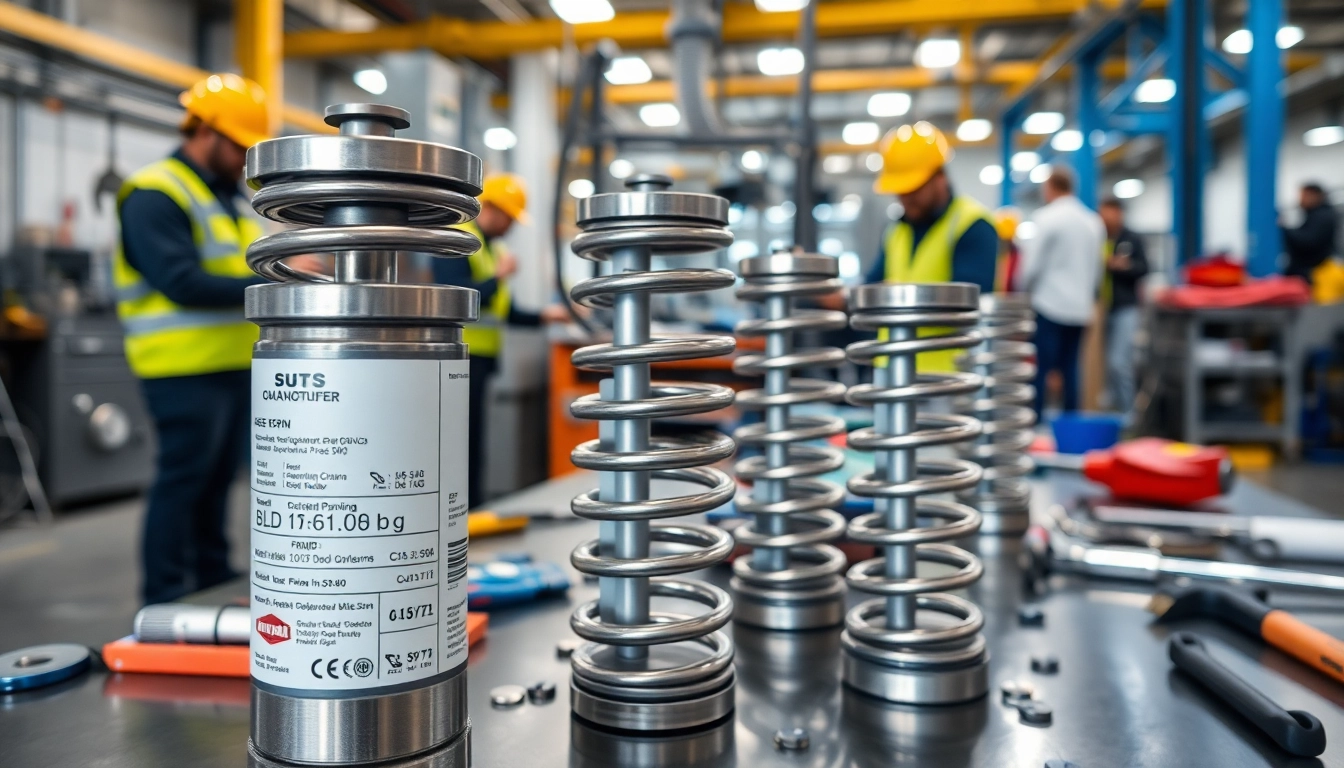
A gas spring, also known as a gas strut or gas shock, is a device that utilizes the power of compressed gas to provide force and support. It typically consists of a cylinder filled with gas, usually nitrogen, and a piston that can move within the cylinder. When the piston moves, the gas is compressed, creating resistance that can assist in lifting, lowering, or holding various objects in place. This mechanism makes gas springs ideal for applications that require the lifting or lowering of components, offering varied force depending on the design and requirements.
Common Applications of Gas Springs
Gas springs are versatile components used across multiple industries. They are commonly found in automotive applications, such as hood lifts and trunk supports. In the furniture industry, gas springs are integral to adjustable desks and reclining chairs, allowing users to customize their positions effortlessly. Additionally, they are extensively utilized in aerospace for cargo doors and in industrial settings for machine covers. The adaptability of gas springs ensures that they are crucial in any application where reliable lifting or positioning is required.
Benefits of Using Gas Springs in Industry
Employing gas springs in industrial applications brings numerous benefits. Firstly, they provide consistent performance due to their gas-filled nature, ensuring stable lifting and lowering actions without mechanical wear. Secondly, their compact design allows for integration into tight spaces, maximizing efficiency. Furthermore, gas springs improve safety by controlling movement, reducing the risk of accidental closures or drops. Lastly, their lightweight nature can decrease the overall weight of machinery or furniture, contributing to better energy efficiency and functionality.
Choosing a Gas Spring Manufacturer: Key Considerations
Factors to Evaluate When Selecting a Manufacturer
When selecting a gas spring manufacturer, several key factors must be considered. These include the manufacturer’s reputation and experience in the industry, which can provide insights into their product quality. Additionally, potential customers should assess the technological capabilities of the manufacturer, ensuring they can produce gas springs tailored to specific needs. Customer service and support are also crucial; a responsive manufacturer can significantly aid in troubleshooting and after-sales support.
Importance of Quality Assurance and Certification
Quality assurance is paramount in the production of gas springs. Manufacturers should be ISO certified, which demonstrates adherence to international quality standards. This certification indicates that the products undergo rigorous testing and meet specific performance criteria. Quality assurance processes, including regular inspections and testing protocols, assure users of the reliability and longevity of the gas springs they invest in.
Cost vs. Quality: Making the Right Decision
While it may be tempting to choose a manufacturer based on cost alone, balancing price with quality is essential. Lower-cost alternatives may be appealing but can lead to greater long-term expenses if the products fail or require frequent replacements. Investing in a reputable Gas Spring Manufacturer may result in higher upfront costs but can provide greater durability, performance consistency, and reduced maintenance needs over time.
Design and Customization in Gas Springs
Understanding Design Specifications
The design of gas springs involves various specifications tailored to meet particular functionality. Key aspects include the stroke length, force exerted, and mounting configurations. Stroke length refers to how far the piston can travel within the cylinder, affecting the range of motion. The force exerted is crucial for the intended application, requiring careful calculations to ensure optimal performance under various loads. Understanding these design specifications is essential for manufacturers and consumers alike to ensure appropriate functionality and satisfaction.
Custom Solutions from a Gas Spring Manufacturer
Many gas spring manufacturers offer customization options to meet unique client needs. Custom solutions can include modified cylinder sizes, specialized mountings, and different force specifications tailored for specific equipment. Collaborating with engineers during the design phase ensures that the gas springs not only fit mechanically but also function effectively under the intended conditions, thus enhancing performance across various applications.
How Customization Impacts Performance
Customization can dramatically impact the performance of gas springs. Tailoring the force and stroke length to a specific application allows for precise control over movement and support. Products designed specifically for particular tasks can operate more efficiently and safely, ultimately extending the lifespan of the components they are integrated with. Moreover, customized gas springs often offer enhanced aesthetics, aligning seamlessly with product design.
Maintenance and Care for Gas Springs
Preventative Maintenance Tips
To prolong the lifespan of gas springs, implementing effective preventative maintenance practices is crucial. Regular inspections of the gas springs for signs of wear, leakage, or corrosion can help identify any potential issues before they escalate. Additionally, ensuring that gas springs are kept clean and free from contaminants contributes to their longevity. Proper installation according to manufacturer guidelines and torque specifications can significantly reduce premature wear.
Identifying Common Issues with Gas Springs
Several common issues may arise with gas springs, including loss of pressure, leaks, and malfunctioning mechanisms. Loss of pressure often manifests as weakened lift support or erratic motion. Identifying these symptoms early can prevent safety hazards. Leaks can usually be detected through visual inspection; any visible gas escaping or oil residue around the cylinder should be taken seriously. Regular checks and maintenance are vital to ensure ongoing performance and safety.
When to Replace a Gas Spring
Recognizing when to replace a gas spring is vital for maintaining optimal safety and functionality. If a gas spring shows persistent signs of wear, such as leaks or inadequate lifting capacity, it should be replaced immediately. Additionally, if any unusual noises are present during operation, this can indicate internal failure. Regularly scheduled replacements based on usage cycle can often prevent unexpected failures and related downtime.
Future Trends in Gas Spring Technology
Advancements in Manufacturing Processes
Advancements in manufacturing processes are shaping the future of gas springs. Innovations such as automated production lines, 3D printing, and enhanced materials are streamlining production and optimizing performance. These techniques not only reduce production costs but also enhance the precision and quality of the final products. Manufacturers investing in modern technology are likely to lead the way in producing more efficient and effective gas springs.
Integration of Smart Technology in Gas Springs
The integration of smart technology is set to revolutionize gas springs. Sensors and automation can be embedded within the gas spring system, allowing for real-time monitoring of pressure and performance. This connectivity enables predictive maintenance, reducing operational disruptions and enhancing reliability. As industries move towards smart manufacturing, the demand for intelligent gas springs will likely increase, driving innovation and development within this niche.
Environmental Considerations and Sustainability Practices
As environmental concerns rise, the gas spring industry must adapt by adopting sustainable practices. Manufacturers are being challenged to create products with minimal environmental impact, using eco-friendly materials and minimizing waste in the production process. Additionally, advancements in recycling and the development of gas springs with longer lifespans can contribute to sustainability objectives. This shift not only benefits the environment but can also enhance the company's reputation and appeal to eco-conscious consumers.
Frequently Asked Questions
1. What is the primary use of gas springs?
Gas springs are primarily used for lifting, lowering, and holding components across various industries, including automotive, furniture, and aerospace.
2. How do I choose the right gas spring?
Select the gas spring based on required stroke length, force, and mounting type, ideal for your specific application needs.
3. Can gas springs be customized?
Yes, many manufacturers offer customization options for size, force specifications, and mounting configurations to fit specific applications.
4. How often should gas springs be maintained?
Regular maintenance should occur as per the manufacturer's recommendations, typically involving visual inspections every few months.
5. What are signs that a gas spring needs replacement?
Signs include loss of pressure, leaks, inadequate support, or unusual noises during operation, indicating potential failure.