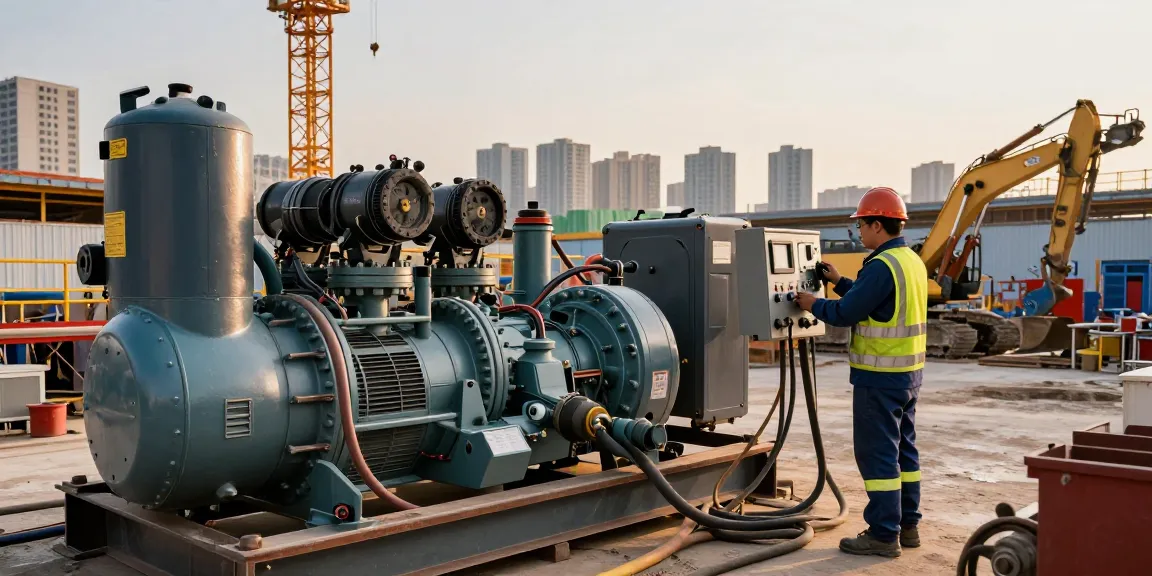
Understanding Gas Generators
Gas generators have become increasingly popular in various industries due to their flexibility, efficiency, and environmental advantages. As energy demands rise and traditional fossil fuels face scrutiny, understanding the intricacies of gas generators is essential for businesses looking to harness reliable power sources. From small-scale applications to large industrial solutions, gas generators provide a versatile energy alternative.
What is a Gas Generator?
A gas generator is a type of power generator that runs on gaseous fuels such as natural gas, propane, or biogas. These generators convert the chemical energy of the fuel into mechanical energy, which can then be transformed into electrical energy. They are widely recognized for their durability, low operational costs, and ability to produce clean energy. This makes them ideal for various applications, including residential backup power systems and industrial operations.
Types of Gas Generators Available
Gas generators come in several types, tailored to specific applications. The primary classifications include:
- Standby Generators: Activated during power outages, these generators ensure uninterrupted power supply for homes and businesses.
- Portable Gas Generators: Ideal for outdoor events and construction sites, portable units provide temporary power and are easy to transport.
- Renewable Energy Generators: Utilizing biogas or other renewable sources, these generators minimize environmental impact and support sustainability initiatives.
- Combined Heat and Power (CHP) Systems: These systems generate both electricity and usable heat, increasing efficiency for large facilities.
Applications of Gas Generators in Various Industries
Gas generators are versatile, serving multiple industries with distinct power needs. Key applications include:
- Residential Use: Homeowners utilize gas generators for backup power during outages and to maintain essential services.
- Construction: In construction settings, these generators provide reliable electricity for tools, lighting, and machinery.
- Agriculture: Farmers use gas generators to power equipment, irrigation systems, and greenhouses, ensuring productivity year-round.
- Events and Entertainment: Outdoor events often rely on portable gas generators to power sound systems, lighting, and other amenities.
Benefits of Using Gas Generators
Choosing a gas generator offers numerous advantages that appeal to both commercial and residential users. For instance, when exploring options, gas generator solutions deliver great value for investment.
Cost Efficiency and Operational Savings
Gas generators typically have lower operational costs than their diesel counterparts. The price of natural gas tends to be more stable and often cheaper than diesel fuel, leading to significant savings in fuel expenses. Furthermore, gas generators often require less maintenance, which can reduce the overall cost of ownership.
Environmental Benefits of Gas Generators
One significant advantage of gas generators is their lower emissions compared to traditional diesel generators. Utilizing cleaner-burning fuels like natural gas reduces the output of harmful pollutants, helping businesses comply with stringent environmental regulations and contributing to a greener planet.
Reliability and Performance Metrics
Gas generators are known for their reliability, often capable of running for extended periods with minimal issues. Many modern units come equipped with advanced technology that allows for efficient fuel consumption, real-time monitoring, and automatic shut-off features, enhancing overall performance and safety.
Choosing the Right Gas Generator
Selecting the right gas generator requires careful consideration of several factors that align with user needs and power demands.
Key Factors to Consider When Selecting a Gas Generator
- Power Output: Assess the wattage required to power your intended devices and systems.
- Fuel Type: Consider which gas source is available and most economical in your area.
- Portability: For those needing temporary power solutions, ensure the generator is easy to transport.
- Noise Levels: Evaluate sound output, especially for residential and event contexts.
Understanding Your Power Needs
Before purchasing a gas generator, it is crucial to perform a power audit. List all the appliances and systems that will require power and determine their combined wattage. This information will guide you in selecting a generator with adequate capacity.
Comparative Analysis of Top Gas Generator Brands
When comparing gas generators, consider reputable brands known for quality and reliability. Brands like Generac, Honda, and Cummins often lead in performance and customer satisfaction. Reading user reviews can further help in making an informed decision.
Installation and Maintenance of Gas Generators
Proper installation and ongoing maintenance are crucial to ensure the longevity and efficiency of gas generators. Following manufacturer guidelines is essential for optimal performance.
Step-by-Step Installation Process
- Select a Suitable Location: Choose a flat, dry area away from flammable materials and ensure adequate ventilation.
- Prepare the Site: Clear the area and lay a stable foundation if necessary.
- Connect Fuel Lines: Follow the manufacturer's instructions for connecting the gas supply securely.
- Set Up Electrical Connections: Ensure proper wiring and connections to a transfer switch if connecting to a residential system.
- Test the Generator: After installation, perform a test run to ensure everything operates correctly.
Routine Maintenance Tips and Best Practices
Regular maintenance extends the life of gas generators. Key maintenance practices include:
- Inspecting and replacing air filters as needed.
- Checking and tightening loose connections.
- Testing the generator monthly to ensure it functions correctly.
- Draining condensation from the fuel system to prevent damage.
Common Issues and Troubleshooting Techniques
Common issues faced with gas generators include starting problems, fuel leaks, and reduced performance. Understanding and troubleshooting these issues requires familiarity with the generator’s systems and potential solutions, such as checking spark plugs and cleaning filters.
Future Trends in Gas Generator Technology
The gas generator market is evolving rapidly, driven by innovations and changing energy regulations.
Innovations Shaping the Future of Gas Generation
Emerging technologies, such as smart monitoring systems and hybrid solutions, are enhancing gas generator performance. Incorporating IoT technology can enable remote monitoring and streamlined maintenance schedules, optimizing efficiency.
Environmental Regulations Impacting Gas Generators
As governments enforce stricter emissions regulations, the gas generator industry is compelled to innovate. Gas generators that meet or exceed these standards will become increasingly vital for commercial operations.
Predictions for Gas Generator Market Growth by 2026
Industry analysts expect the gas generator market to continue its upward trajectory, propelled by growing demand for clean energy solutions. With advancements in technology and an increased focus on sustainability, gas generators will play a pivotal role in future energy strategies.
What Size Gas Generator Will Run a House?
Understanding generator sizing is essential for homeowners. Generally, a generator with a capacity between 5,000 to 10,000 watts can effectively power most household appliances and systems, but assessing individual power needs is crucial.
What is the 80% Rule for Generators?
The 80% rule refers to the guideline that generators should not be operated above 80% of their rated capacity to prevent overheating and ensure longevity. Proper adherence to this rule can enhance reliability during critical power needs.
Gas Generator vs. Diesel Generator: Which to Choose?
The choice between gas and diesel generators often comes down to fuel availability, cost considerations, and environmental impact. Gas generators typically offer lower operational costs and emissions, while diesel generators provide higher efficiency for larger power demands.
How to Optimize Gas Generator Performance?
Optimizing performance involves regular maintenance, proper installation, and ensuring it is not overtaxed. Frequent testing and prompt repairs will also help maintain efficiency.
What are the Safety Protocols for Using Gas Generators?
Safety is paramount when operating gas generators. For more information, Power Generation offers valuable insights. Key protocols include operating in well-ventilated areas, ensuring proper grounding, and not overloading the system. Users should be trained in emergency procedures to respond effectively to any issues.