Preparing for Your Child's 1st Time at Overnight Camps
The journey of sending your child to an overnight camp for the first time can be filled with excitement and anxiety alike. As you prepare for this significant milestone, it's essential to equip yourself with the right information. Understanding what to expect and how to support your child is crucial as they navigate this new experience. Visit 1st time at overnight camps for detailed guidance and tips.
Understanding Overnight Camps
Overnight camps are more than just a place for children to spend the night away from home. They offer a structured environment where kids can engage in various activities, build social skills, and foster independence. Each camp typically encompasses multiple activities, from water sports to arts and crafts, designed to promote teamwork and personal growth. Understanding the fundamental aspects of how overnight camps operate will help parents make informed decisions and provide reassurance to their children.
Benefits of Starting Early
Sending your child to camp as early as possible can have several benefits. Firstly, early exposure promotes adaptability, allowing children to adjust to new environments naturally. Additionally, younger kids often develop essential life skills such as self-reliance, responsibility, and teamwork at a formative age. With camps often designed for various age groups, ensuring your child attends a camp suited to their developmental stage maximizes these benefits.
What to Expect on Arrival
Understanding what happens on the first day of camp is essential for both you and your child. Upon arrival, there will be a check-in process where children are introduced to their counselors and cabin mates. Familiarizing your child with this process can alleviate anxiety. Engaging in open discussions about what they can anticipate, such as unpacking their bags and exploring the camp, can help ease the transition.
Packing Essentials for 1st Time at Overnight Camps
Clothing and Personal Items
When packing for the first time at overnight camps, it's important to prioritize comfort and practicality. Clothing should include weather-appropriate items, such as lightweight layers for warm days and jackets for cooler evenings. Packing personal items, like toiletries and a favorite item from home, can provide a sense of security and comfort. Involve your child in the packing process to make it a fun experience while teaching them what to take responsibility for.
Keep-in-Touch Supplies
Even though camp is intended to promote independence, having keep-in-touch supplies can make the experience smoother. Providing your child with pre-stamped postcards, stationery, or simple communication tools can help them share their experiences with you. Encourage them to express their feelings and share details about their activities, which will help maintain a connection while they are away.
Preparing for Weather Variations
Different camps can have varied weather conditions, so it's critical to prepare for all types of scenarios. In addition to packing suitable clothing, equip your child with rain gear or sun protection as necessary. Teaching them how to layer clothing will not only keep them comfortable but also help them to feel confident about handling any weather challenges that arise during their stay.
Managing Emotions and Expectations
Addressing Homesickness
Homesickness is a common feeling among campers, especially those experiencing overnight camps for the first time. It is vital to address this emotion gently. Prepare your child in advance by sharing stories about camp experiences. Assure them that it is normal to miss home and that many campers experience similar feelings. Equip them with coping strategies, such as writing in a journal or talking to a counselor if they feel lonely.
Setting Realistic Expectations for Your Child
Setting realistic expectations is crucial in preparing your child for their camp experience. Discuss potential challenges and highlight the importance of trying new things, even when they might feel uncomfortable. Emphasize the excitement of making new friends and engaging in various activities. By addressing the possible highs and lows, you equip them with the resilience they’ll need to thrive.
Encouraging Independence
Overnight camp is an opportunity for your child to build self-esteem and self-reliance. Encourage them to take ownership of their belongings and develop routines such as managing their personal hygiene and settling down for sleep independently. Allowing your child to solve small problems on their own fosters confidence and cultivates a sense of accomplishment.
What Activities to Anticipate during 1st Time at Overnight Camps
Outdoor Adventures and Team Building
Outdoor adventures are a cornerstone of overnight camp experiences. From hiking and canoeing to team sports, these activities encourage camaraderie and teamwork. Teach your child the value of cooperation and communication during team-building exercises. Engaging in these activities not only creates lasting memories but also encourages personal growth and friendship development.
Arts and Crafts Opportunities
Creative outlets are essential for children to explore their imagination. Arts and crafts sessions at camp allow for self-expression and creativity. Discussing potential art projects with your child can generate excitement and inspire them to engage deeply. Highlight the joy in creating something they can take home as a memento, fostering a sense of accomplishment.
Daily Camp Routines
Familiarity with daily routines at camp will help your child feel prepared and organized. Most camps provide structured schedules that include meal times, activities, and rest periods. Review this routine with your child, emphasizing the importance of adhering to it. This understanding can reduce anxiety and instill a sense of security within the camp environment.
After the Camp Experience: Next Steps
Post-Camp Conversations
Once camp is over, engaging in meaningful conversations with your child is essential. Ask open-ended questions about their experiences, what they loved most, and any challenges they faced. This will help them articulate their feelings and reinforce the memories they created. Sharing stories can strengthen your bond and also encourage reflection on their growth during the camp.
Recognizing Growth and Learning
Recognizing the personal growth your child experienced during their time at camp can be an eye-opening experience for both of you. Acknowledge the skills they developed, the friendships they made, and how they managed their feelings away from home. Supportive feedback will affirm their successes and encourage them to pursue future challenges with confidence.
Planning for Future Camps
If the camp experience was positive, consider planning for the following year. Discussing the possibility of returning can inspire your child and create anticipatory excitement. Review and build on what they learned to help set goals for next time. Building a sense of continuity between experiences fosters a love for outdoor adventure and personal growth.
FAQs
What if my child feels homesick at camp?
Homesickness is common. Prepare your child by discussing potential feelings before camp starts. Encourage them to talk to counselors and engage in activities when they feel lonely.
Should I contact my child during camp?
Frequent communication can increase homesickness. It's best to limit contact to encourage independence, allowing your child to fully immerse themselves in camp life.
What activities can I expect at camp?
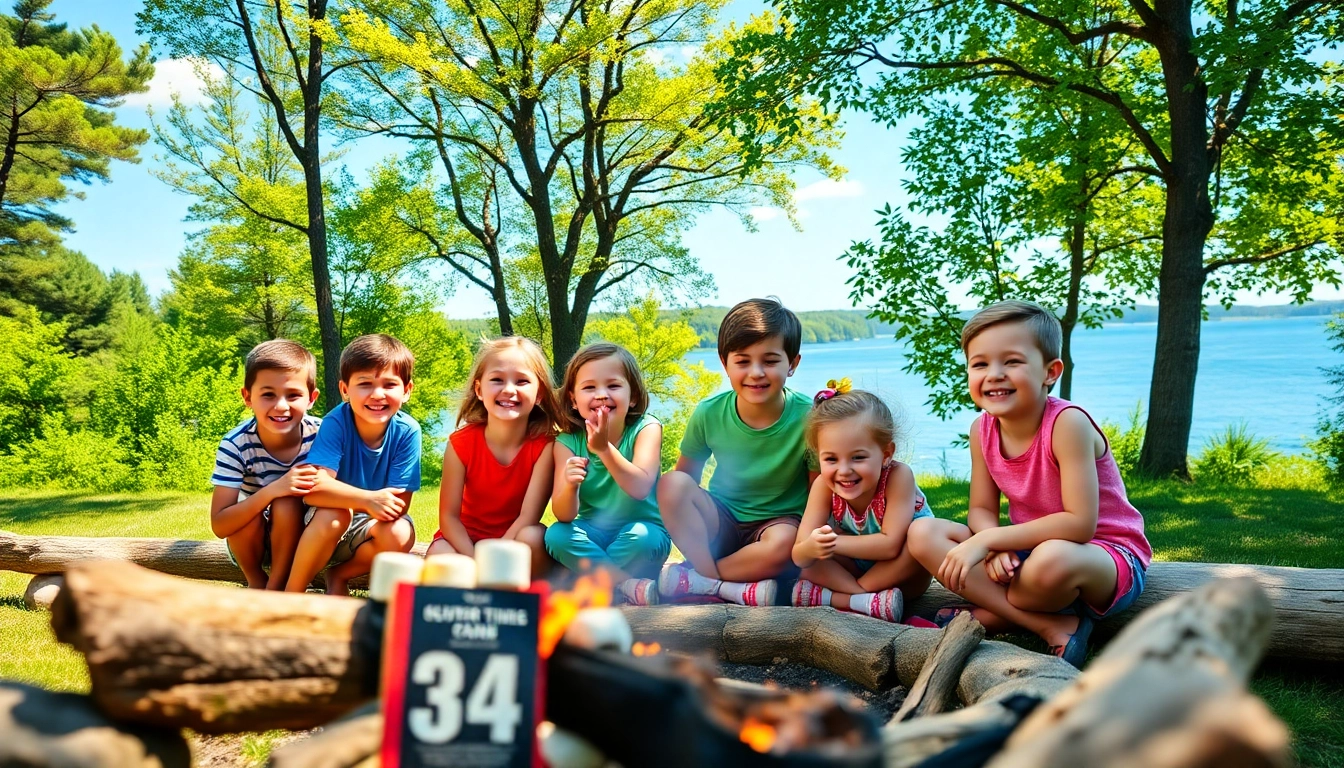
Activities vary by camp but typically include outdoor adventures, sports, arts and crafts, and group activities like campfires and talent shows.
How can I prepare my child for camp?
Involve your child in packing, discuss camp activities, and practice being away from home with short sleepovers or trips to help them adjust.
What if my child doesn’t want to go to camp?
Listen to their concerns, offer reassurance, and highlight the fun aspects. Sometimes, a buddy system can encourage hesitant kids to attend.