Understanding Niche Hobbies
Niche hobbies are defined as specialized interests that cater to a specific audience. These unique pursuits may not appeal to the general public but offer profound satisfaction to those who engage in them. From flint knapping to miniature painting, niche hobbies are not just mere pastimes; they allow individuals to express themselves creatively and connect with fellow enthusiasts. Engaging in niche hobbies can lead to improved mental health and well-being, giving individuals a sense of purpose and a platform for exploration.
What Constitutes a Niche Hobby?
A niche hobby is characterized by its focus on a specific interest area or subject matter that appeals to a subset of people rather than the mainstream. These pursuits often require specialized knowledge or skills, which can make them both challenging and rewarding. For instance, creating scale models of historic ships combines art and engineering, attracting those fascinated by maritime history and craftsmanship.
Benefits of Pursuing Niche Hobbies
Participating in niche hobbies offers numerous benefits. First and foremost, they can provide a sense of community among enthusiasts who share similar interests. They serve as an outlet for creativity, helping individuals develop new skills and techniques that reinforce self-esteem. Furthermore, the focused nature of these hobbies can provide a mental break from everyday stress, enhancing relaxation and mindfulness.
How Niche Hobbies Affect Mental Health
Engaging in niche hobbies can have therapeutic effects on mental health. Studies have shown that hobbies can reduce symptoms of anxiety and depression by promoting relaxation and offering distraction from daily life challenges. For instance, gardening—a niche hobby for many—allows participants to engage with nature and experience the satisfaction of nurturing plants, boosting mood and promoting mindfulness.
Popular and Emerging Niche Hobbies
While niche hobbies can be relatively obscure, some have gained popularity through social media platforms and newfound accessibility. Understanding these trends can help enthusiasts identify potential hobbies that resonate with their interests.
Traditional Hobbies Reimagined
Many traditional hobbies have been revitalized with modern twists. For instance, knitting and crochet—the classic handicrafts—are now often infused with contemporary designs and innovative materials. Enthusiasts share patterns online, making these crafts more accessible and fashionable. Similarly, vintage restoration has gained traction, where people restore old furniture to create unique, collectible pieces.
Creative and Artistic Niche Hobbies
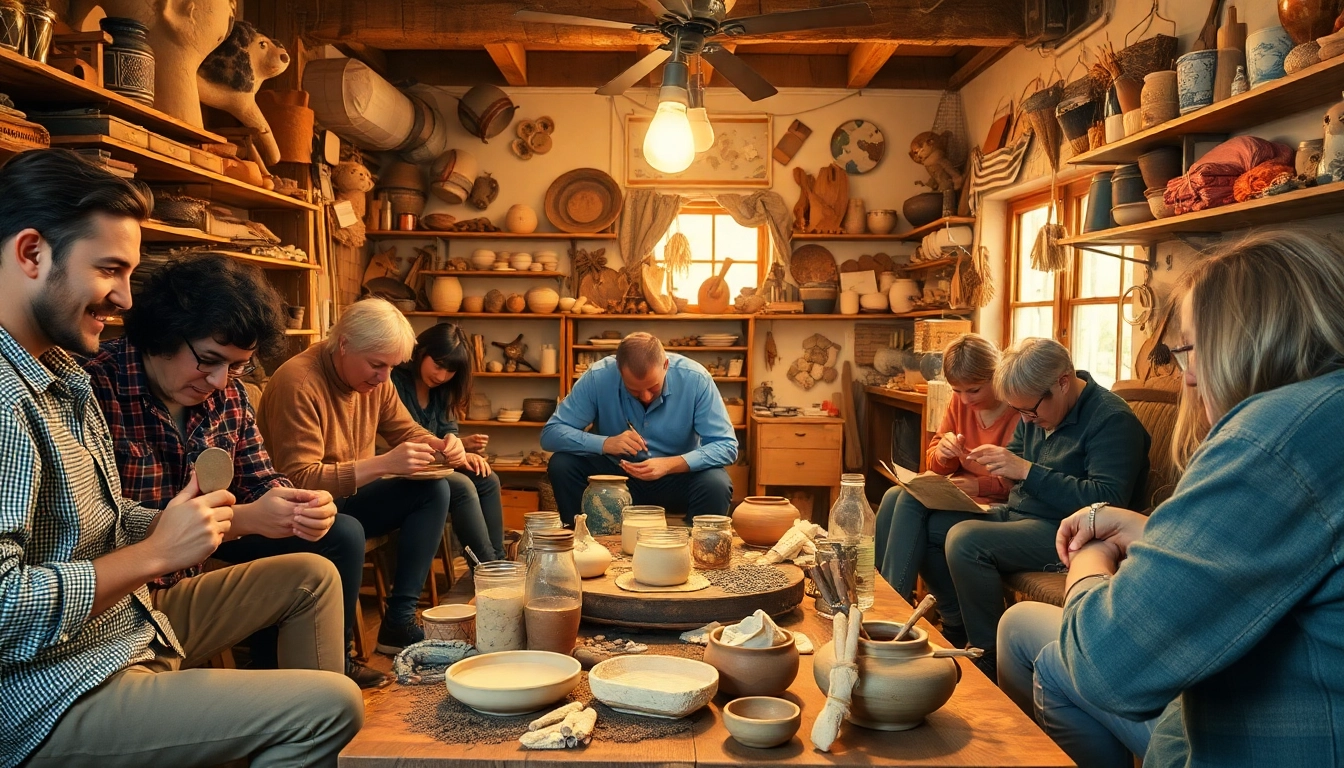
Creative pursuits foster expression and innovation. Hobbies such as watercolor painting, pottery, and calligraphy not only engage artists but also resonate deeply with those looking for unique ways to communicate and express emotions. Many of these hobbies can be practiced at home, making them appealing during times of social distancing. Artists often share their creations on platforms like Instagram, allowing for a broader appreciation and community around these artistic endeavors.
Technology-Driven Niche Hobbies
The rise of technology has given birth to new niche hobbies, such as drone photography, 3D printing, and coding. Particularly, drone photography has attracted both hobbyists and professionals looking to capture unique perspectives. Similarly, 3D printing enables enthusiasts to create intricate designs that were previously unattainable, making it an exciting area where creativity meets technology. Engaging with these tech-driven hobbies requires investment in equipment and software but can yield impressive results and a strong community.
How to Get Started with Niche Hobbies
If you're interested in exploring niche hobbies, an organized approach can help you identify the right one for you and ease you into the community surrounding it.
Finding Your Interest Area
Begin with self-reflection to identify what truly interests you. Consider your current skills and passions; maybe you’ve always loved nature, photography, or arts and crafts. Research various niche hobbies to see what piques your interest. Platforms like Reddit forums can provide insights and discussions that help you uncover unique interests.
Gathering Supplies and Resources
Once you've chosen a hobby, gather the necessary supplies. Many niche hobbies can be started with minimal investment, while others may require specialized tools. Online shops and local craftsmen can provide materials, while tutorials and how-to guides are abundant on platforms like YouTube. Joining introductory classes can also be beneficial, enabling hands-on experience with expert guidance.
Joining Communities for Niche Hobbies
Connecting with others who share your niche interest can enhance your experience. Find online forums, social media groups, or local clubs where you can share tips, monitor progress, and celebrate achievements. These communities create a support network that fosters motivation and creativity, as well as opportunities for participation in local events or workshops.
Maximizing Enjoyment from Your Niche Hobbies
To fully enjoy your niche hobby, it’s crucial to approach it in a structured yet flexible manner, allowing for personal growth and satisfaction.
Budgeting for Your Hobbies
Hobbies can become expensive, but budgeting can keep your spending in check while still allowing you to enjoy your passion. Determine how much you can spend monthly or seasonally; this will help you prioritize supplies and learning materials without overspending. Remember, many niche hobbies can thrive on creativity rather than expensive equipment.
Setting Realistic Goals and Projects
Defining clear, achievable goals can help sustain motivation and measure progress. Whether it’s finishing a project or learning a new technique, setting small milestones will keep you engaged and provide a sense of accomplishment. For instance, if your hobby is drawing, aim to complete a specific drawing each month.
Documenting Your Journey
Keeping a record of your progress can enhance your experience. Whether through a journal, blog, or social media, documenting your journey encourages reflection. It allows you to track improvements and share experiences with others, facilitating further connection within the hobby community.
Frequently Asked Questions about Niche Hobbies
What are some examples of niche hobbies?
Niche hobbies include activities like flint knapping, miniature painting, and mushroom foraging, each catering to specific interests.
How can I find a local community for my niche hobby?
Search online platforms, social media groups, or local clubs for enthusiasts and events related to your niche hobbies.
Do niche hobbies require a significant investment?
Many niche hobbies can be started with minimal investment, often relying on creativity more than expensive supplies.
Can niche hobbies improve my mental health?
Yes, engaging in niche hobbies can lower stress and boost happiness by providing a creative outlet and community connection.
How often should I practice my niche hobby?
Practicing regularly, even for short periods, enhances skill development and enjoyment, making it easier to integrate into your routine.