Understanding Construction Associations
Definition and Purpose of Construction Associations
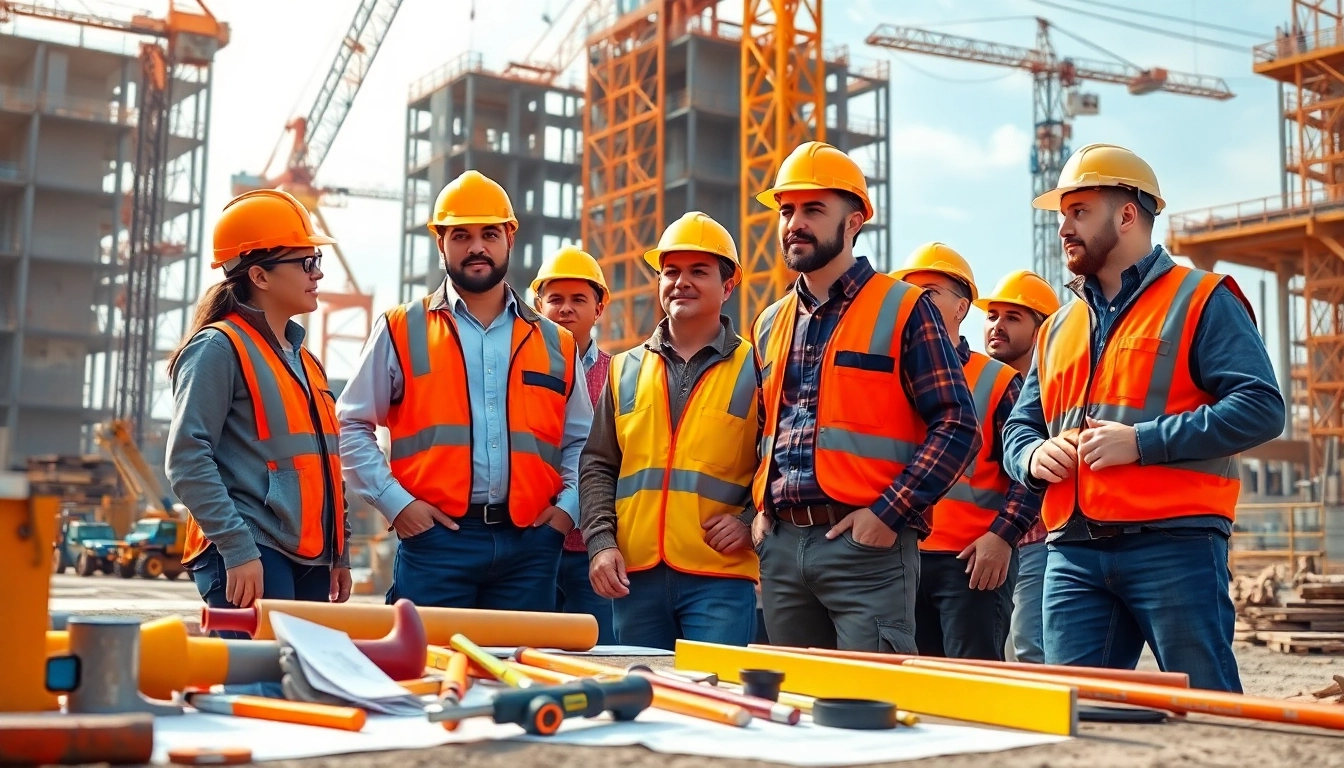
A construction association serves as a vital organization within the construction industry, providing support and resources to its members. These associations are typically non-profit entities composed of various stakeholders in the construction sector, including builders, contractors, engineers, suppliers, and architects. Their primary purpose is to advocate for the interests of their members, promote industry best practices, and foster collaboration among diverse professionals.
Central to the mission of construction associations is the establishment of industry standards that ensure quality, safety, and sustainability. These organizations often engage in lobbying efforts to influence legislation, thereby shaping the regulatory environment in which their members operate. Additionally, construction associations facilitate a platform for the exchange of knowledge, helping members stay abreast of trends and innovations in the industry.
Key Functions and Benefits of Membership
Membership in a construction association offers numerous benefits. Key functions of these organizations include:
- Networking Opportunities: Members have the chance to connect with peers and industry leaders, fostering relationships that can lead to collaborations.
- Access to Resources: Members benefit from a plethora of resources, including educational materials, research reports, and industry updates.
- Advocacy: Construction associations advocate for favorable policies that benefit their members and the industry as a whole.
- Professional Development: Many associations offer training programs, certifications, and workshops to help members grow their skills.
The combination of these benefits positions construction associations as essential partners in the success and advancement of the construction industry.
How Construction Associations Support Industry Standards
Construction associations play a pivotal role in setting and maintaining industry standards. They work collaboratively with regulatory agencies, educational institutions, and other industry stakeholders to establish guidelines that promote safety, efficiency, and innovation.
Through committees and working groups, members contribute their expertise to develop standards that address current challenges faced by the industry. Additionally, these associations often provide access to industry certifications that enhance credibility and demonstrate commitment to excellence among members.
The Importance of Networking within a Construction Association
Building Connections with Industry Peers
Networking is one of the most significant advantages of being part of a construction association. Establishing connections with fellow professionals can lead to numerous opportunities, including potential collaborations, partnerships, and project leads. Through networking events such as conferences, seminars, and social gatherings, members can engage directly with industry experts and build valuable relationships.
Collaborative Opportunities and Partnerships
Construction associations foster an environment ripe for collaboration. Members often explore joint ventures or partnerships on projects, allowing them to leverage each other's strengths and resources. This collaboration not only enhances the quality of projects but also promotes innovation as professionals bring diverse perspectives and solutions to the table.
Events and Workshops that Foster Engagement
Events and workshops hosted by construction associations are vital for knowledge transfer and engagement. These gatherings provide forums for discussing industry trends, sharing best practices, and presenting new technologies. Participating in these events allows members to enhance their skills, stay informed, and contribute to discussions that shape the future of the construction industry.
Resources Offered by Construction Associations
Educational Programs and Training
One of the core offerings of construction associations is educational programs, which include workshops, seminars, and online courses. These programs are designed to enhance the skills and knowledge of members, covering topics such as project management, safety standards, and construction technology. By investing in professional development, members can stay competitive in a rapidly evolving industry.
Access to Industry Research and Data
Construction associations provide their members with access to valuable industry research and data. This information is crucial for making informed decisions, whether related to project planning, budgeting, or market trends. Regularly published industry reports, white papers, and newsletters keep members up to date with the latest insights and developments.
Advocacy and Representation in Policy Discussions
As their members' voice in policy discussions, construction associations advocate for regulations that benefit the industry. This includes lobbying for legislation on topics such as licensing, safety regulations, and funding for infrastructure projects. By representing the interests of their members, these associations help ensure a balanced approach to policymaking that considers the needs of all stakeholders in the construction ecosystem.
Challenges Faced by Construction Associations
Navigating Economic Changes and Regulations
Construction associations often face challenges stemming from economic fluctuations and changing regulations. Economic downturns can result in reduced membership and funding, impacting the association's ability to provide resources and advocacy. To combat this, associations must remain agile, regularly assessing their strategies and offerings to adapt to the ongoing changes in the construction landscape.
Keeping Up with Technological Advances
The rapid pace of technological advancement presents both opportunities and challenges for construction associations. While technology can streamline processes and enhance project outcomes, staying informed and adapting to these changes can be daunting. Associations need to prioritize education and training related to emerging technologies, ensuring their members are equipped to leverage innovations effectively.
Strategies for Member Engagement and Retention
Engaging and retaining members is critical to the sustainability of construction associations. By offering value through impactful resources, networking opportunities, and educational programs, associations can foster loyalty among their members. Conducting regular surveys to assess member needs and preferences can also guide the development of relevant offerings that meet the evolving demands of the industry.
Future Trends in Construction Associations
Embracing Sustainability and Green Building Practices
As sustainability becomes increasingly important in the construction industry, associations are adapting by promoting green building practices and environmental stewardship. This includes providing educational resources on sustainable materials, energy-efficient practices, and certifications for green buildings. By championing sustainability, construction associations not only contribute to environmental protection but also attract a new generation of professionals committed to sustainable practices.
The Impact of Digital Transformation in Construction
Digital transformation is reshaping the construction landscape, with technologies such as Building Information Modeling (BIM), drones, and automated machinery revolutionizing project management and execution. Construction associations are responding by offering training programs that focus on digital skills and technologies. Keeping members informed about digital trends is vital for ensuring they remain competitive and efficient in an evolving market.
Global Trends Influencing Local Construction Associations
Local construction associations must stay attuned to global trends that can influence their members and the industry as a whole. Issues such as supply chain disruptions, labor shortages, and changes in global trade policies can have significant impacts on local construction practices. By monitoring these global dynamics, associations can anticipate challenges and provide timely resources to help their members navigate changing conditions.
Frequently Asked Questions
What is a construction association?
A construction association is an organization that advocates for and supports professionals in the construction industry, providing resources, networking opportunities, and educational programs.
What benefits come with membership in a construction association?
Membership offers networking opportunities, access to industry resources, advocacy for members' interests, and professional development programs.
How do construction associations influence industry standards?
They collaborate with stakeholders to establish guidelines that enhance safety, quality, and innovation within the industry, promoting best practices.
What resources do construction associations provide?
Resources include educational programs, access to industry research, data, and representation in policy discussions that affect the construction sector.
What challenges do construction associations face?
Challenges include navigating economic fluctuations, keeping up with technological advancements, and maintaining member engagement and retention.