Exploring the Wonders of Egypt: A Comprehensive Guide
Egypt, known for its extraordinary history and rich culture, attracts millions of travelers each year who wish to experience its ancient monuments, vibrant cities, and stunning landscapes. From the grandeur of the pyramids to the serenity of the Nile, https://emegypt.net offers a gateway into understanding this fascinating country. Whether you are planning a pilgrimage to the past or seeking relaxation by the beaches of the Red Sea, Egypt is a destination that promises an unforgettable experience.
Introduction to Egypt's Rich Heritage
Historical Significance of Ancient Monuments
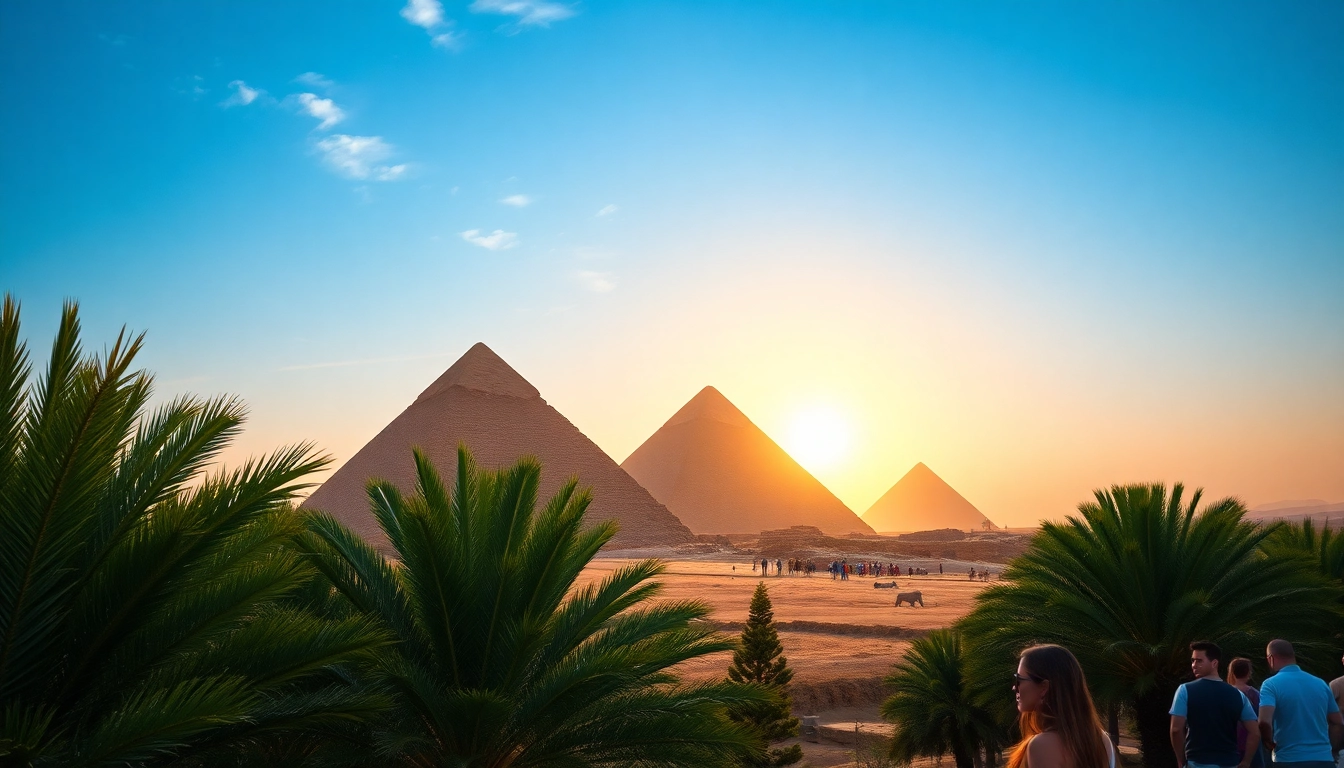
Egypt's ancient monuments are testaments to a civilization that flourished thousands of years ago. The Pyramids of Giza, constructed around 2580–2560 BC, stand as iconic structures that embody the architectural prowess and cultural sophistication of ancient Egypt. Each pyramid served not just as a tomb for pharaohs but as a monument designed to assist their journey into the afterlife.
Furthermore, the temples of Karnak and Luxor, dedicated primarily to the gods Amun, Mut, and Khonsu, reflect the religious devotion and artistic achievements of the time. Visitors can witness inscriptions, hieroglyphs, and colossal statues that tell stories of gods and kings. The Valley of the Kings, a burial site for pharaohs including Tutankhamun, presents an archaeological wealth that welcomes researchers and thrill-seekers alike.
Modern Cultural Influence on Tourism
Today, Egypt's cultural landscape is a diverse mosaic, combining ancient heritage with modern influences. The capital city, Cairo, represents an urban center bustling with life, where traditional markets (souks) exist alongside modern shopping galleries. The Egyptian Museum houses a staggering collection of ancient artifacts, offering a glimpse into the civilization's past while serving as a centerpiece for cultural tourism.
Contemporary Egyptian artists and musicians are making a name on the global stage, helping to promote the country’s history and culture through their work. Festivals celebrating Egyptian music, dance, and food invite visitors to engage with the local community, thus fostering a deeper connection with the land.
Key Attractions in Egypt
- The Sphinx: This iconic statue, shrouded in legends, provides stunning views of the pyramids and is a must-visit for anyone traveling to Egypt.
- Abu Simbel: The twin temples carved into a mountainside are extraordinary feats of engineering and artistry. They often astound visitors not only with their size but with the stories they convey.
- Luxor Temple: This temple is best visited at sunset when the architecture glows in the fading light, offering a unique perspective of Ancient Egyptian worship.
Traveling to Egypt: Essential Tips
Best Times to Visit Egypt
Egypt's climate varies, so timing your visit can greatly enhance your experience. The best months to travel are from October to April, when the weather is cooler and more pleasant for sightseeing. Summers can be scorching, especially in southern Egypt; thus, tourists are advised to stay hydrated and seek shade during the midday sun. Various festivals, including the Cairo International Film Festival, occur in winter, providing cultural enrichment alongside visits to historical sites.
Travel Visa Requirements and Regulations
Travelers to Egypt should be aware of the visa requirements that may vary based on nationality. Generally, most visitors will need to apply for an e-Visa before arrival. This process is simplified via the official Egyptian Government website, allowing seamless entry. It is crucial to ensure that your passport is valid for at least six months beyond your planned departure from Egypt, as this is a common entry requirement.
Cultural Etiquette and Local Customs
Understanding local customs will enhance your experience in Egypt tremendously. Egyptians are known for their hospitality, and greetings often involve a friendly handshake or verbal salutation. However, it is essential to be mindful of cultural sensitivities, especially regarding dress codes in religious sites. Modest clothing is recommended, especially for women, in areas such as mosques or Christian churches. Be prepared to navigate local traditions, with practices like bargaining in markets being commonplace.
Must-Visit Locations in Egypt
The Great Pyramids: Myths and Facts
The Great Pyramids of Giza remain one of the most visited landmarks on the planet. Beyond their status as the last remaining wonder of the ancient world, these monuments are rich in myths and misconceptions. For instance, many believe that they were built by slaves, a notion dispelled by historians who suggest they were constructed by a paid workforce, including skilled laborers and craftsmen.
In addition, the engineering techniques employed for their construction are still a topic of debate among archaeologists. Tours often highlight these aspects, offering insights into the lives of those who built these monumental structures.
The Nile River: Lifeblood of Egypt
The Nile River is often referred to as the lifeblood of Egypt, providing water, fertile soil, and transport routes that were essential to ancient Egyptian civilization. Today, a cruise on the Nile is a popular way to see the country, allowing travelers to experience its beauty while connecting various historical sites between Luxor and Aswan. Cruises can vary from traditional feluccas to luxury steamers, catering to different tastes and budgets.
Cairo's Dynamic City Life and History
Cairo, the sprawling capital, boasts a unique blend of the ancient and the modern. While visitors can explore the historic Islamic Cairo, dotted with mosques and old stairs, the city also offers bustling markets like Khan el-Khalili, where numerous stalls sell spices, textiles, and souvenirs. A visit to Coptic Cairo introduces travelers to the country’s Christian heritage, with ancient churches standing testament to another chapter of Egypt’s diverse history.
Experiencing Egyptian Cuisine and Dining
Traditional Dishes to Try
Egyptian cuisine is a reflection of its diverse culture, featuring an array of flavors and ingredients. Must-try dishes include:
- Koshari: A popular street food dish made with rice, lentils, pasta, and topped with spicy tomato sauce.
- Ful Medames: A staple made from fava beans, typically served with bread and often consumed for breakfast.
- Molokhia: A stew made from jute leaves, often served with rice or bread, and enjoyed across the Middle East.
Popular Local Restaurants and Cafes
Experiencing local dining spots can elevate your travel experience significantly. Restaurants in Cairo offer diverse menus reflecting the evolution of Egyptian cuisine. Al-Azhar Park's numerous dining options combine splendid views with delightful fare. In Alexandria, seafood is a must, as the coast provides fresh ingredients that give dishes a unique flavor.
Food Safety Tips for Travelers
While enjoying Egyptian cuisine, food safety is paramount. It is advisable to drink bottled water and avoid ice from unknown sources. Eating at well-reviewed restaurants can also mitigate risks, as hygiene is typically better in established eateries. Street food can be tempting, but travelers should ensure the food is freshly made and hot before enjoying local treats.
Planning Your Perfect Egyptian Adventure
Creating an Itinerary: Balancing History and Relaxation
When planning your Egyptian adventure, strive for a balance between historical exploration and relaxation. An itinerary might include several days in Cairo visiting museums and the Pyramids, followed by a tranquil cruise on the Nile, culminating with some time on the Red Sea coast for sun-soaked beaches. Flexibility is vital; remember to allow time for rest and spontaneous exploration.
Booking Tours and Guides: What to Expect
Guided tours can enhance your experience significantly, providing context and insights you might miss otherwise. When selecting tours, opt for reputable guides who have positive reviews and who are knowledgeable about Egyptian history. Custom tours can also be arranged based on personal interests, whether it be in-depth archaeological exploration or cultural experiences such as traditional dance performances.
Safety Tips for Navigating Egypt
While Egypt is a popular tourist destination, understanding safety precautions is essential. It is advisable to avoid isolated areas and traveling alone after dark. Keeping passports and valuables secure while exploring is recommended, and being respectful of local customs can often help travelers feel welcomed and safe. Staying informed about local news and following government travel advice will also contribute to a secure visit.