The History of the Pyramids
Origins and Construction Techniques
The pyramids of Egypt have fascinated historians, archaeologists, and tourists for centuries. These monumental structures serve as iconic representations of ancient Egyptian civilization. The origins of pyramid construction can be traced back to the Third Dynasty, marking the transition from mastaba tombs to the more sophisticated pyramid design. The step pyramid of Djoser, constructed around 2670 BCE, is considered the earliest form of a pyramid, showcasing an impressive advancement in architectural techniques that would later define Egyptian building practices.
The construction of pyramids involved an extensive understanding of mathematics and engineering. Laborers, often skilled workers, utilized a range of tools to shape massive limestone and granite blocks, transporting them from quarries to the building site. Theories surrounding the construction methods include the use of ramps—either straight, zigzag, or circular ramps—allowing workers to ascend and position the stones with precision. While the exact methods remain a topic of debate, it is widely accepted that a large workforce was required, relying on a combination of organized labor, potentially seasonal workers, and possibly even conscripted labor.
Cultural Significance in Ancient Egypt
The pyramids were not merely tombs; they were symbolic gateways to the afterlife, intricately tied to the beliefs surrounding the pharaohs' journey after death. Ancient Egyptians believed that a successful transition to the afterlife depended significantly on the preservation of the body and its journey to the underworld. This belief underscored the significance of pyramid construction, with each pyramid serving as both a tomb and a monument to the deceased rulers. The alignment and orientation of pyramids were also carefully considered; they were often oriented towards the cardinal points and associated celestial bodies, reinforcing their religious and cultural significance.
Evolution of Pyramid Architecture
The architectural style of pyramids evolved significantly over the years, reflecting changes in religious beliefs and societal structures. The transition from the stepped pyramid to the true pyramids, like those found at Giza, illustrates a clear refinement in design and purpose. The Great Pyramid of Giza, erected for Pharaoh Khufu, stands as a testament to ancient Egyptian engineering prowess. Constructed with over 2.3 million blocks, this pyramid originally reached a height of approximately 146.6 meters, making it the tallest man-made structure for over 3,800 years.
Further evolution in pyramid design led to the construction of the bent pyramid and the red pyramid in Dahshur. These structures display a unique adaptation of earlier designs, with modifications in angles and construction techniques that improved stability and aesthetics. The Giza pyramids represent the pinnacle of this evolving architectural tradition, with their precise alignment and immense scale symbolizing the power and divine nature of the pharaohs.
Exploring the Pyramids Today
Current Archaeological Findings
Modern archaeological efforts have continued to unveil the secrets of the pyramids, revealing insights into their construction and the lives of those who built them. Recent discoveries include hidden chambers within the Great Pyramid and artifacts that provide evidence of the tools and methods used during construction. Technological advancements, such as 3D scanning and ground-penetrating radar, have aided researchers in identifying potential undiscovered spaces, enhancing our understanding of these monumental structures.
Visiting the Pyramids: A Guide
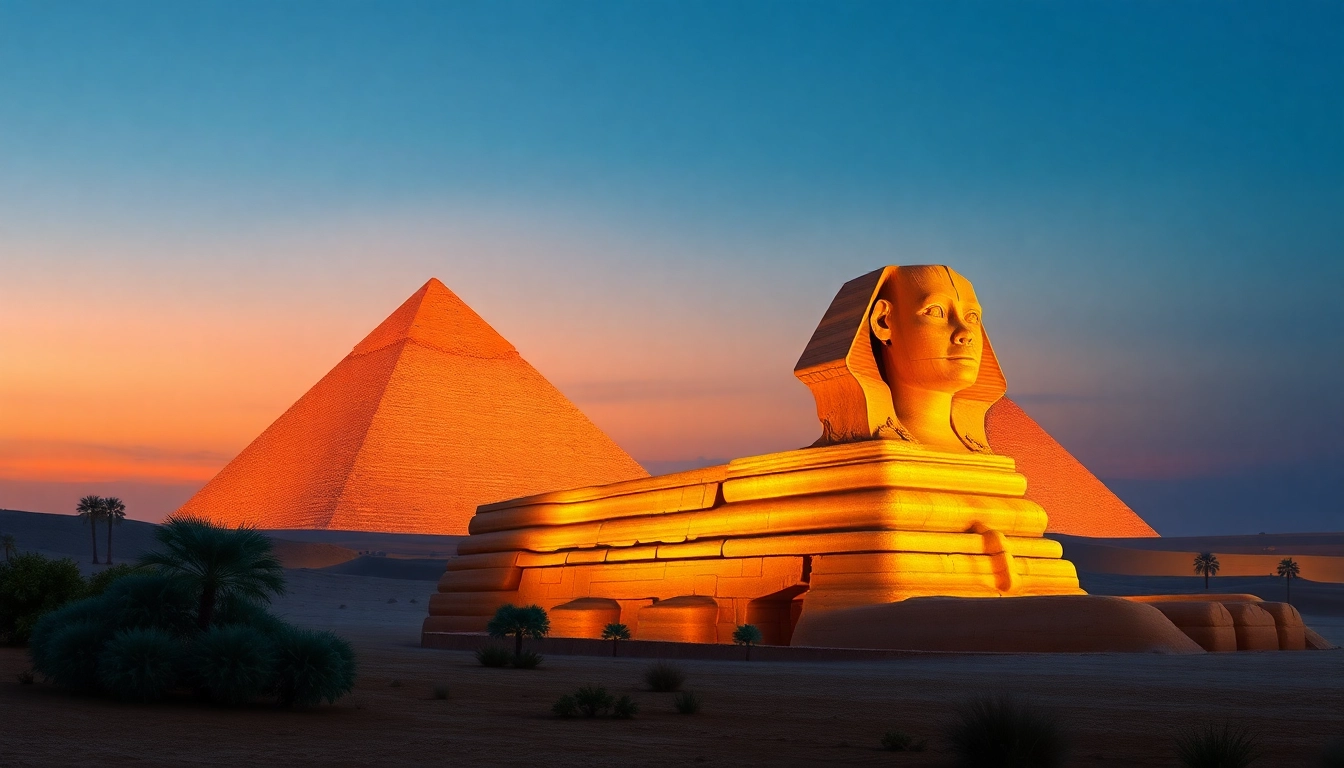
For those interested in experiencing the grandeur of the pyramids firsthand, visiting Egypt offers an unparalleled opportunity. The Giza plateau, home to the Great Pyramid, the Pyramid of Khafre, and the Pyramid of Menkaure, is easily accessible from Cairo. Visitors can explore the site, marvel at the Sphinx, and even enter certain pyramids, although access to specific chambers may be restricted. It is advisable to plan visits during cooler months, as the desert climate can be extreme in summer months.
Impact of Tourism on Preservation
The influx of tourists has significantly impacted the preservation of the pyramids. While tourism generates vital revenue for the local economy, it also poses risks to the integrity of the site. Measures are being taken to mitigate wear and tear on the structures, including controlled access to certain areas and restoration initiatives. Sustainable tourism practices are crucial in ensuring that future generations can appreciate the pyramids, balancing the needs of preservation with the benefits of tourism.
Legends and Mysteries
Theories Behind Their Construction
The construction of the pyramids has spawned numerous theories over time, capturing the imagination of historians and enthusiasts alike. Beyond the practical elements of labor organization and material transportation, some theories suggest that advanced knowledge of astronomy and mathematics played a critical role. Furthermore, speculations regarding the involvement of extraterrestrial beings or lost ancient civilizations have emerged, often rooted in the unexplainable grandeur and precision of the pyramids.
Hidden Chambers and Recent Discoveries
Recent technological advancements have led to the discovery of hidden chambers within the pyramids, raising more questions about their initial purpose and construction methods. In 2017, archaeologists announced the discovery of voids within the Great Pyramid using muon imaging technology, indicating that there may be unexplored areas within this structure. These findings challenge existing theories and highlight the need for continued exploration and research into Egypt's ancient past.
Myths Surrounding the Pyramids
The pyramids are steeped in mythology, contributing to their enigmatic status in modern culture. Myths range from the belief that they were built by slaves to historic tales regarding the curses of pharaohs. While these stories captivate audiences, they often overshadow the true history of the pyramids and the skilled craftsmen who built them. Unpacking these myths is crucial in appreciating the realities of ancient Egyptian society and the architectural feats they achieved.
The Pyramids in Modern Culture
Representation in Films and Literature
The pyramids have left an indelible mark on modern culture, appearing in various forms of media, including films, books, and television. From the classic adventure films to more recent representations in science fiction, they serve as symbols of mystery and the unknown. Their iconic shape and historical context provide fertile ground for storytelling, sparking intrigue and fascination across generations.
Influence on Art and Architecture
The architectural innovations presented by the pyramids continue to influence modern architecture and design. Elements inspired by the pyramid shape can be observed in various structures worldwide, showcasing their legacy beyond ancient Egypt. The use of triangular and pyramidal forms in architecture serves as a homage to these ancient wonders, representing strength and stability.
Symbolism of the Pyramids Today
Today, the pyramids symbolize resilience, ingenuity, and the pursuit of knowledge. They stand as testaments to what ancient civilizations were capable of achieving, inspiring contemporary society to push the boundaries of innovation and creativity. The pyramids also serve as reminders of the necessity to preserve our historical and cultural heritage for future generations.
FAQs About the Pyramids
What are the most famous pyramids?
The pyramids of Giza, especially the Great Pyramid, are the most renowned worldwide, alongside the Pyramid of Khafre and the Pyramid of Menkaure.
How were the pyramids built?
Scholars believe the pyramids were constructed using a complex system of ramps and skilled laborers, though exact methods remain a topic of debate.
Why were the pyramids built?
Pyramids were built primarily as tombs for pharaohs and were a significant aspect of ancient Egyptian beliefs regarding the afterlife.
Can you enter the pyramids?
Yes, visitors can enter certain pyramids, such as the Great Pyramid, though access may be limited to specific chambers and the overall structure.
What materials were used in construction?
The primary materials included limestone, granite, and mortar, selected for their durability and availability in ancient Egypt.
To delve deeper into the captivating history and mysteries surrounding these iconic structures, you can explore more at https://piraminds.com/.