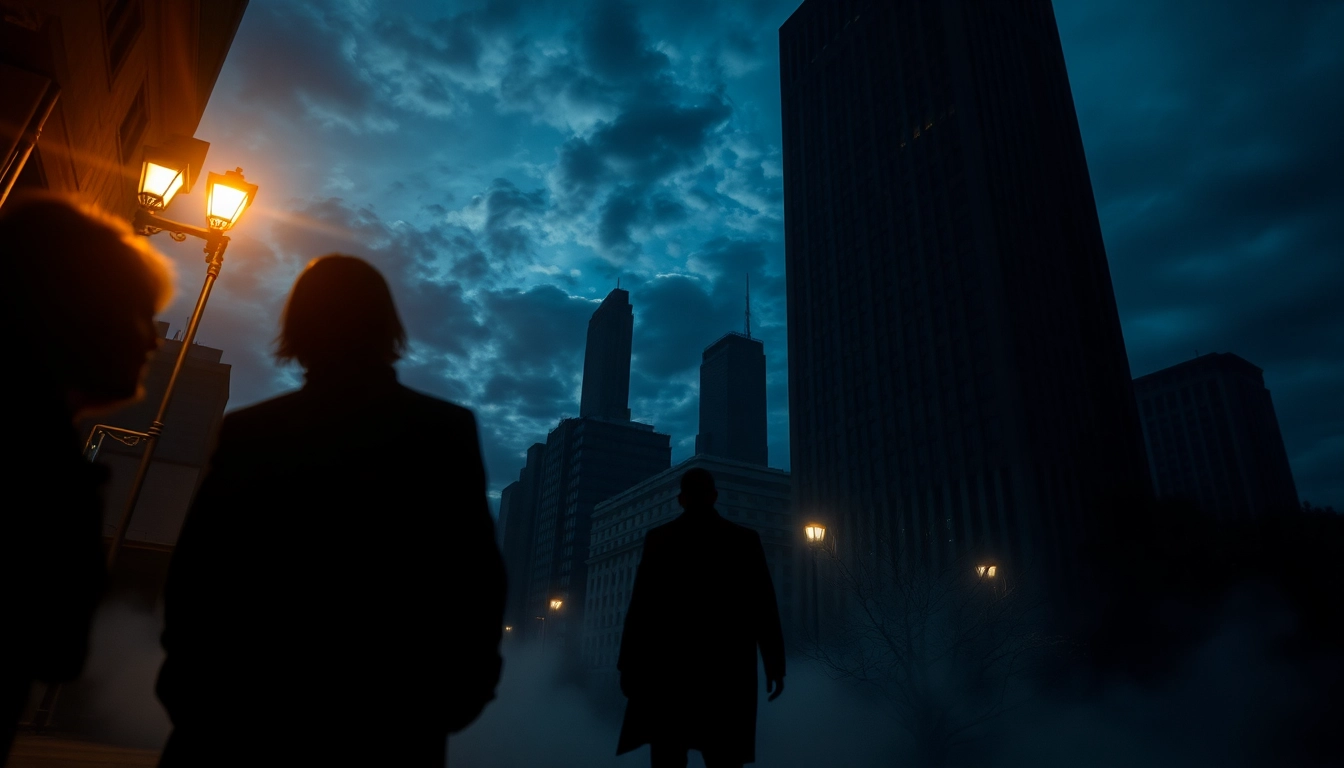
Understanding the Concept of Thriller
The term "thriller" evokes a myriad of emotions—from tension and excitement to fear and anticipation. This genre encompasses a broad spectrum of storytelling that captivates audiences through emotional highs and lows. Whether presented in literature, film, or music, thrillers engage the mind and elicit a visceral reaction. By exploring the depths of the thriller genre, we can uncover the elements that make it a perennial favorite among audiences, as reflected in various forms of media, including the iconic Thriller by Michael Jackson. Understanding what makes a thriller compelling is essential for anyone looking to delve deeper into storytelling or reinforce the effectiveness of their narratives.
What Defines a Thriller?
A thriller is a narrative form designed to elicit excitement and suspense through fast-paced action, unfolding events, and unexpected plot developments. Central to the thriller is the protagonist's journey to confront and overcome obstacles, often against a formidable antagonist or prevailing circumstances. This struggle reinforces the genre's focus on psychological conflict, moral dilemmas, and the elusive nature of truth.
At its core, a thriller aims to keep the audience on the edge of their seats. This is achieved through a series of carefully structured beats: the building of tension, the impending threat, and the eventual climax that leaves viewers breathless. The effectiveness of a thriller also relies on its ability to keep twists and surprises hidden until the perfect moment, creating a satisfying payoff for the audience's investment in the story.
Historical Evolution of Thriller
The roots of the thriller genre can be traced back to early Gothic literature, which laid the groundwork for suspenseful storytelling. Authors like Edgar Allan Poe and Mary Shelley set the stage for exploring fear, morality, and the human psyche. Over time, the genre evolved through the influence of detective stories, psychological narratives, and action-packed novels.
The early 20th century witnessed the emergence of classic thrillers, such as those penned by Agatha Christie and Raymond Chandler, which solidified the genre's popularity in literature. In cinema, directors like Alfred Hitchcock redefined thrillers with groundbreaking films that combined elements of suspense with psychological intrigue, further establishing the genre's reputation. As society progresses, thrillers continue to adapt and reflect contemporary anxieties, addressing themes such as technology, terrorism, and morality.
Key Elements That Make Thrillers Compelling
Several key elements govern the success of a thriller. Each component is crucial to building the immersive experience that audiences crave:
- Suspense: Thrillers thrive on suspense, the anticipation of what will happen next. This is often achieved through cliffhangers, pacing, and foreshadowing.
- Relatable Characters: Audiences connect with protagonists who face extraordinary circumstances. These characters often possess flaws that add depth to their motivations.
- Conflict: The struggle between characters, be it external or internal, drives the plot. The protagonist must grapple with challenges that test their resolve and morality.
- Plot Twists: Effective plot twists create surprises that redefine the narrative. The best twists are subtle, with carefully laid clues that reward attentive viewers.
- Thematic Exploration: Thrillers often delve into significant social, political, or psychological themes, offering commentary on human nature and society.
Types of Thrillers: A Genre Breakdown
Thrillers can be categorized into various sub-genres, each with distinct traits and structures. Understanding these categories helps in recognizing the versatility of thrillers and how they resonate with audiences.
Psychological Thrillers Explained
Psychological thrillers focus on the mental and emotional state of characters, often depicting their descent into madness or moral ambiguity. These stories play with the audience's perception, blurring the lines between reality and illusion. Classic examples include films like "Fight Club" and books like "Gone Girl," where character motivations and psychological manipulation drive the narrative's tension.
Crime and Mystery Thrillers
Crime and mystery thrillers revolve around the investigation of a crime, typically involving a detective or amateur sleuth. These narratives engage the audience by presenting clues and red herrings that lead to shocking revelations. Series like "Sherlock Holmes" and films such as "Se7en" exemplify this sub-genre, inviting readers and viewers to solve the puzzle alongside the protagonist.
Action-Packed Thrillers: A Closer Look
Action thrillers prioritize fast-paced sequences, including chases, fights, and stunning visuals. These stories keep audiences engaged through adrenaline-pumping scenarios. Examples can be found in films like "Die Hard" or "Mad Max: Fury Road," where high-stakes situations and explosive set pieces propel the narrative forward. Though character development may take a back seat, the thrill of the action captures viewer attention.
The Art of Writing a Thriller: Techniques and Tips
Crafting a compelling thriller requires skill, creativity, and an understanding of your audience’s expectations. Here are techniques and tips to elevate your thriller writing:
Developing Suspense and Tension
Suspense is an integral part of thrillers, and several techniques can enhance it:
- Foreshadowing: Use subtle hints to prepare the audience for future events, creating anticipation without revealing too much.
- Time Pressure: Introduce a ticking clock or urgent deadline, compelling characters to act quickly and heightening stakes.
- Unpredictable Outcomes: Keep characters in check with situations that can change in an instant, ensuring that readers remain invested in the outcome.
Creating Relatable Characters
Characters in thrillers should evoke empathy or intrigue. Here are ways to flesh them out:
- Complex Backgrounds: Allow characters to have rich backstories that inform their actions and relationships, making them relatable.
- Personality Flaws: Showcase imperfections that create conflict and drive character arcs, enhancing audience connection.
- Motivations: Clearly define what drives each character, as understanding their motivations adds depth to their journeys.
Effective Pacing and Plot Twists
Pacing is vital in maintaining reader engagement. Here’s how to master it:
- Short Chapters: Consider using shorter chapters to create a sense of swift progression and add to the urgency.
- Noteworthy Plot Twists: Deliver twists that challenge assumptions while remaining plausible within the story’s context, rewarding attentive readers.
- Rising Action: Ensure that each scene builds toward the climax, gradually escalating tensions and stakes for a satisfying payoff.
Cinematic Representations of Thrillers
The film industry has significantly influenced the evolution of the thriller genre through innovative storytelling, visuals, and sound. Several aspects stand out in cinematic representations:
Iconic Thriller Films That Shaped the Genre
Countless films have left a mark on the thriller genre, reshaping audience expectations and industry standards. Movies like "Psycho," "The Silence of the Lambs," and "Chinatown" remain quintessential examples, known for their intricate plots and memorable characters. These films have not only entertained but also opened doors for new narratives that explore the darker sides of humanity.
The Role of Soundtracks in Enhancing Suspense
Music plays a pivotal role in amplifying the emotional impact of thrillers. A well-composed score can punctuate crucial moments, enhance suspense, and evoke emotions that deepen viewer engagement. Iconic soundtracks, such as those created by composers like John Williams or Hans Zimmer, have left indelible marks on their respective films, reinforcing the storytelling through auditory cues.
Visual Aesthetics That Define Thrillers
The visual language of thrillers is characterized by shadowy lighting, tight framing, and stylistic choices that elicit nervousness and tension. Directors use visual cues to provide hints, foreshadowing, or to draw attention to specific narrative elements. The aesthetic choices contribute significantly to the overall atmosphere and emotional experiences of the audience. Techniques like camera angles and color palettes help to heighten emotions, delivering a nuanced viewing experience.
Thrillers in Modern Media: Trends and Future Outlook
In today's rapidly evolving media landscape, thrillers continue to adapt and thrive across genres and platforms.
Popular Platforms for Thriller Content
Streaming services have revolutionized how thriller content is consumed. Platforms such as Netflix and Hulu offer a treasure trove of thrillers, catering to diverse audience preferences with original films and series. The convenience of on-demand access ensures that audiences can indulge in their favorite thrillers whenever they choose, leading to increased engagement in the genre.
Emerging Themes in Today's Thrillers
Contemporary thrillers often explore themes reflecting societal concerns, such as technology's impact on privacy, identity crises, and moral ambiguity. The intersection of personal and political realms yields complex narratives resonating with audiences. Moreover, the increasing representation of marginalized voices brings fresh perspectives into the genre, pushing boundaries and challenging conventions.
Audience Engagement and Reception Over Time
The engagement of audiences with thrillers has soared in the age of social media. Viewers share insights, theories, and discussions about plot developments, creating communal experiences around thrillers. This dynamic interaction allows creators to gauge audience reception and adapt future content accordingly. While audiences remain captivated by thrillers' traditional elements, they also seek innovative narratives that surprise and challenge their expectations.