
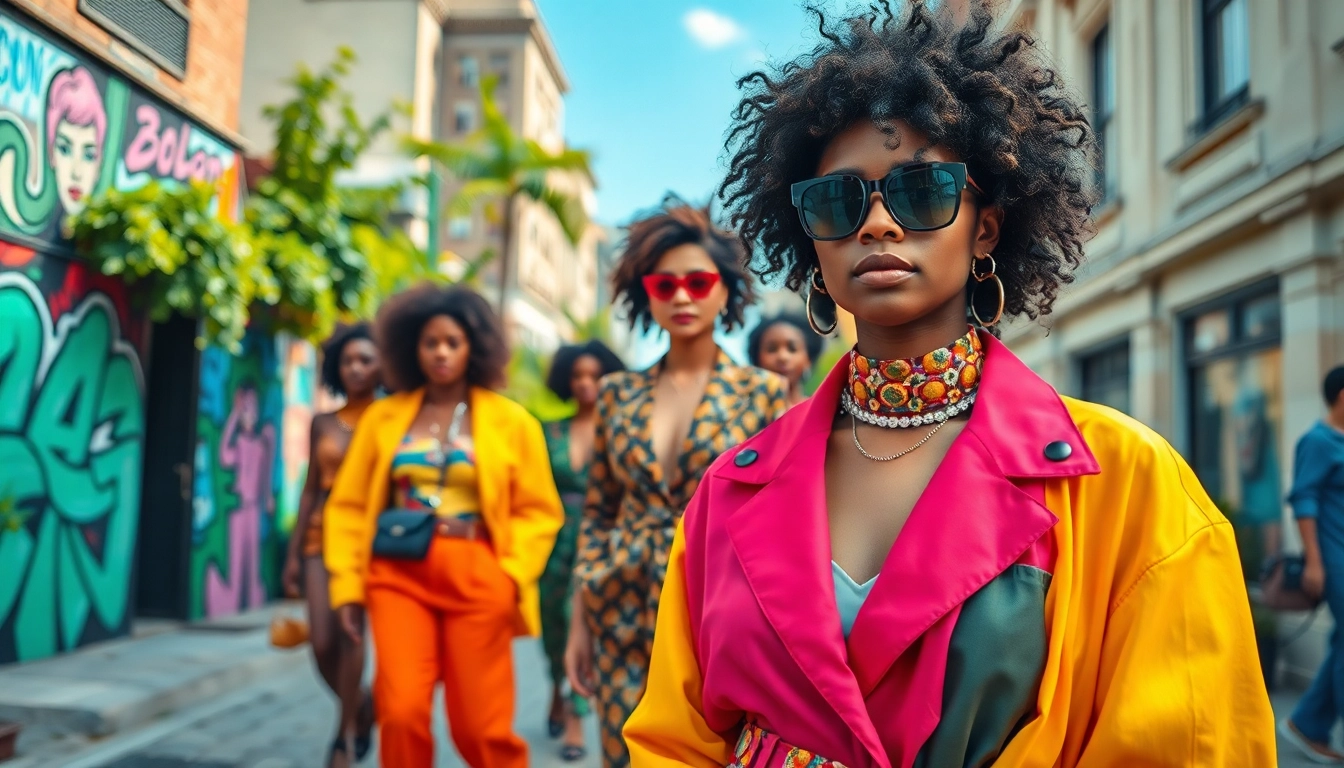
Understanding Fashion: Definition and Evolution
Fashion is an ever-evolving field, deeply embedded within cultural contexts and individual identity. It encompasses clothing, accessories, and styles that evolve over time, emerging from a volatile interplay of social influence, personal expression, and artistic creativity. Influenced by various societal factors, Fashion serves as a powerful tool for individuals to communicate their personalities and values while also echoing the sentiments of the times.
What Does Fashion Mean?
The term "fashion" originates from the Latin word "facere," meaning "to make." It signifies the application and appreciation of clothing and accessories, reflecting specific cultural aesthetics and personal beliefs. Fashion can be interpreted as a social phenomenon where individuals engage in making choices that showcase their identities within a collective framework of societal norms. It’s a canvas for self-expression as much as it is a marketplace driven by consumer demand.
Historical Perspectives on Fashion
Tracing back to ancient civilizations, fashion has been a significant part of human culture. From the intricate designs of royal garments in Ancient Egypt to the practical attires of the Industrial Age, each era has contributed uniquely to the evolution of fashion. The Renaissance period revolutionized fashion with elaborate designs, while the 20th century saw the rise of diverse styles echoing social change, such as flapper dresses in the 1920s and the utilitarian styles of the World Wars. Each period reflects its societal beliefs and practices, continually molding what we perceive as fashionable.
How Fashion Reflects Cultural Trends
Fashion is a mirror reflecting societal trends, cultural shifts, and global movements. It embodies cultural heritage while simultaneously serving as a platform for innovation. For instance, the surge of eco-consciousness in the late 20th century led to the emergence of sustainable fashion movements, transforming how brands create and market their products. Moreover, fashion often aligns with political and social movements, as evidenced by the widespread adoption of specific styles symbolizing empowerment or resistance throughout history.
Key Elements of Fashion Design
Fabric Selection and Material Science
Fabric selection is fundamental in fashion design. The material used not only influences the functionality of the garment but also affects the aesthetics and overall appeal. Understanding the properties of various fabrics—from natural fibers like cotton and wool to synthetic materials like polyester—enables designers to make informed choices that cater to their target audience. The science of materials continues to advance, leading to innovations like moisture-wicking fabrics and sustainable textiles.
Color Theory in Fashion
Color theory holds significant importance in fashion design. Colors evoke emotions, create moods, and can even affect consumer behavior. Designers often employ color psychology to create collections that resonate with their intended audience. Utilizing tools like color wheels and palettes, designers can ensure harmony and contrast, conveying the desired message through visual representation. Seasonal palettes also dictate trends, influencing what is deemed fashionable at any given time.
Importance of Tailoring and Fit
The fit of a garment plays a critical role in its desirability; a well-tailored piece enhances the wearer's silhouette and boosts confidence. Designers must consider body diversity, ensuring their designs cater to a broad audience. Precision in tailoring elevates a piece from merely functional to extraordinary, allowing the wearer to feel both comfortable and stylish. Moreover, advancements in technology such as 3D body scanning and custom tailoring are revolutionizing how fashion houses approach fit.
Current Fashion Trends and Styles
Seasonal Fashion Trends Overview
Fashion trends evolve with the seasons, influenced by cultural events, celebrity endorsements, and technological advances. Each year, fashion weeks around the world unveil trends that inspire upcoming seasonal collections. Popular trends include oversized styles, layering techniques, and a focus on comfort, particularly evident in the rise of athleisure. The cyclical nature of fashion ensures that many styles return with modern twists, encouraging sustainability by promoting the idea of wearing what already exists.
Popular Fashion Styles of the Moment
Currently, several styles resonate strongly with consumers. Streetwear, characterized by casual, comfortable clothing often adorned with graphic designs and logos, continues to dominate. Additionally, minimalist aesthetics focus on simplicity and functionality, while vintage styles see a revival, reflecting nostalgia for past decades. Mixing and matching these styles allows individuals to create unique, personalized outfits that represent their identities.
Influences of Celebrity Culture on Fashion
Celebrity culture profoundly impacts fashion trends, with public figures often seen as trendsetters. Through red-carpet appearances and social media platforms, celebrities have the power to popularize styles almost overnight. The influence of endorsements and collaborations between brands and celebrities can lead to explosive sales and shifts in consumer behavior. Fashion is not only about clothes; it’s a lifestyle propagated by those in the limelight, making authenticity crucial in the industry.
Sustainable Fashion: The Future of Style
Understanding Sustainable Practices
Sustainable fashion refers to clothing that is designed, manufactured, distributed, and used in ways that are environmentally friendly and socially responsible. It includes the use of eco-friendly materials, ethical labor practices, and a commitment to reducing waste throughout the production process. Understanding sustainability means recognizing the impact of the fashion industry on the planet and advocating for practices that prioritize both people and the environment.
How to Incorporate Sustainability into Your Wardrobe
Transitioning to a sustainable wardrobe can be achieved through conscious shopping choices. Consumers can start by investing in quality pieces that last longer rather than fast fashion items. Thrift shopping and second-hand clothing are excellent ways to reduce waste and discover unique styles. Educating oneself about brands that promote ethical practices can also enhance the sustainability of personal fashion choices, fostering a mindset of mindful consumption.
Brands Leading the Sustainable Fashion Movement
Numerous brands are becoming leaders in the sustainable fashion movement, adopting practices that prioritize environmental conservation. Innovation in textiles, such as biodegradable fabrics and recycled materials, is at the forefront of their strategies. These brands are redefining the fashion landscape, showing that it is possible to blend style with sustainability, inspiring consumers to make more informed choices.
Building Your Personal Fashion Brand
Defining Your Personal Style
Understanding one’s personal style is essential for anyone aiming to express themselves through fashion. Identifying preferences and inspirations, whether through iconic figures, color palettes, or fabric choices, allows individuals to curate a wardrobe that speaks to their unique identities. Personal style is not merely about following trends; it embodies an expression of self that evolves with time.
Effective Fashion Marketing Strategies
For those looking to build a fashion brand, effective marketing strategies are pivotal. Understanding the target demographic, utilizing social media for outreach, and engaging in community-building efforts are crucial steps. Additionally, storytelling through branding can create emotional connections with consumers, driving loyalty and increasing brand visibility. Crafting a unique narrative around the brand enhances its appeal in a saturated market.
The Role of Social Media in Fashion Branding
In today’s digital landscape, social media plays a critical role in fashion branding. Platforms like Instagram and TikTok offer vast opportunities for creativity and audience engagement. Fashion brands can showcase their styles, connect with consumers in real-time, and leverage influencers to amplify their messages. Authenticity is paramount; consumers are drawn to brands that resonate with their values and communities.
What is fashion?
Fashion refers to the styles and trends in clothing and accessories that reflect cultural aesthetics and individual expression.
How has fashion evolved over time?
Fashion has evolved with societal changes, influenced by historical events, art movements, and technology, continuously reshaping styles.
What are the current fashion trends?
Current trends include oversized silhouettes, sustainable materials, bold colors, and eclectic combinations of styles from various eras.
Why is sustainability important in fashion?
Sustainability addresses environmental concerns and encourages ethical practices in production, reducing the fashion industry's overall impact.
How can I define my personal fashion style?
Defining your style involves understanding your preferences, experimenting with different looks, and considering what makes you feel confident.