Understanding Almaty: An Overview
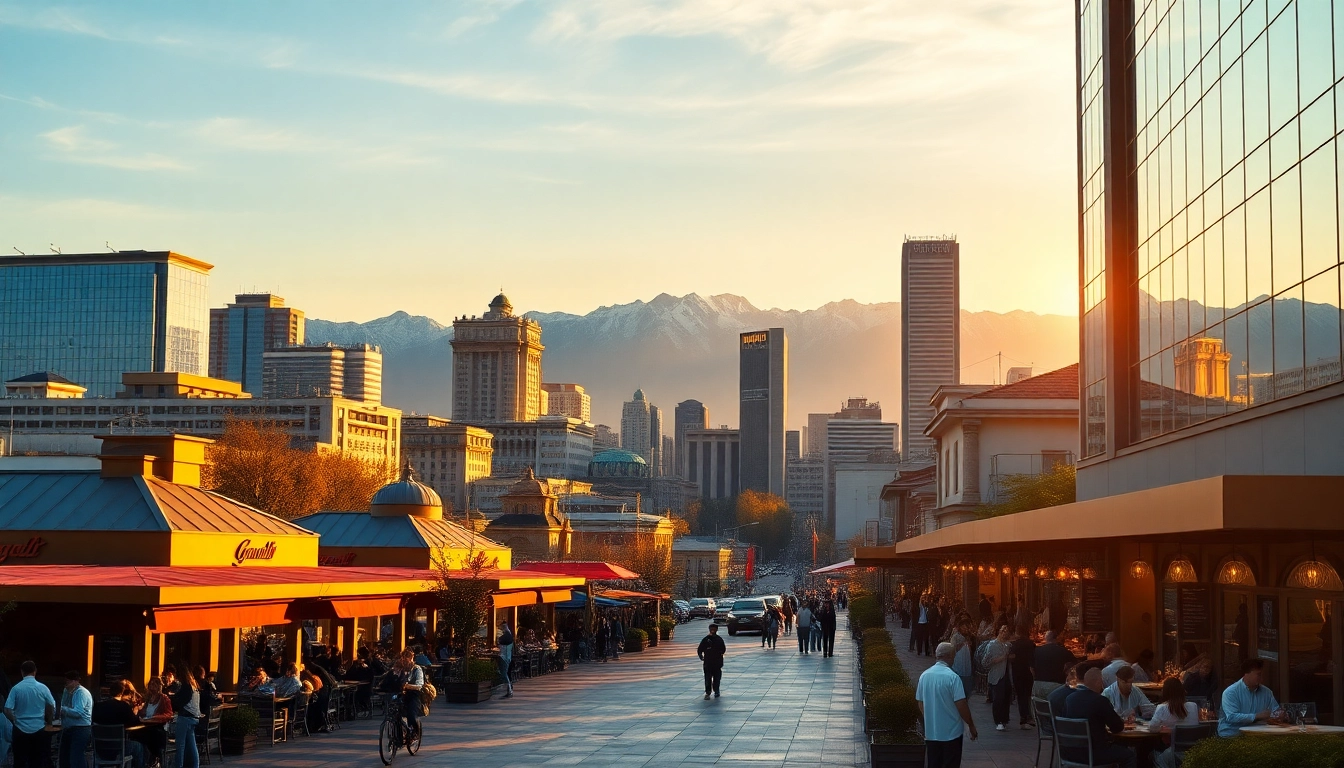
Almaty, the largest city in Kazakhstan, is a vibrant metropolis nestled in the foothills of the majestic Trans-Ili Alatau mountains. Rich in history, culture, and natural beauty, it stands as a symbol of the country’s growth and modernization. With diverse attractions that range from breathtaking landscapes to bustling bazaars, Almaty is an essential destination for travelers seeking a deeper understanding of Central Asia. This comprehensive guide explores the depth of Almaty, delving into its historical significance, cultural landmarks, and the modern developments shaping its identity. It aims to provide indispensable insights for anyone considering a journey to this remarkable city. For further information, please visit https://albmaftoh.com.
The Historical Significance of Almaty
Almaty, originally known as Alma-Ata, has a profound historical significance that dates back to ancient times. Originally a settlement established along the Silk Road, the city flourished as a trade hub connecting East and West. The name "Almaty," which means “Father of Apples” in Kazakh, signifies the region’s rich agricultural history, especially its association with apples, as Kazakhstan is home to the wild ancestor of the modern apple.
Throughout its historical journey, Almaty transitioned from being a modest village to a significant urban center. In the late 19th century, it was transformed into a garrison town by the Russian Empire, ultimately leading to its designation as the capital of the Kazakh Soviet Socialist Republic in 1929. The city witnessed numerous historical events, including the Soviet Union's influence, which left a mark on its architectural landscape and cultural fabric. In 1991, following the dissolution of the Soviet Union, Almaty became the first capital of independent Kazakhstan, preserving its legacy as a cultural and economic hub.
Cultural Landmarks in Almaty
Almaty is adorned with cultural landmarks that reflect its rich heritage and modern aspirations. One of the most significant sites is the Zenkov Cathedral, also known as the Ascension Cathedral, built entirely of wood without the use of nails. This vibrant construction, located in Panfilov Park, is a testament to the city's architectural innovation and artistic spirit.
The Central State Museum of Kazakhstan stands as a repository of the nation's history, showcasing an extensive collection that spans archaeological finds, ethnographic exhibits, and significant artifacts from the Silk Road. Visitors can explore the evolution of Kazakh culture through its comprehensive displays, emphasizing the importance of history in shaping national identity.
Additionally, the Republic Square serves as a focal point for numerous cultural events and gatherings. The square is surrounded by several monumental structures, including the Independence Monument, highlighting the significance of freedom and autonomy in Kazakhstan’s modern history.
Modern Developments Shaping Almaty
In recent years, Almaty has embraced modernization while maintaining its cultural roots. Infrastructure developments like the Almaty Metro enhance urban mobility, easing the flow of residents and tourists alike. The city's skyline is punctuated by modern skyscrapers, such as the Abu Dhabi Plaza, which signifies economic growth and investment in various sectors, including finance, technology, and tourism.
Culturally, the city has invested in the arts, with new theaters and galleries opening to showcase Kazakh artists and international influences. Festivals celebrating digital art, film, and traditional music are regularly hosted, attracting participants from different regions and contributing to Almaty's reputation as a cultural melting pot.
Moreover, Almaty’s position as a financial center in the region has bolstered its economy, drawing numerous international corporations and investors, further accentuating its role as an emerging global city.
Travel Insights for Visitors to Almaty
Best Times to Visit Almaty
The climate in Almaty ranges from a continental to a slightly humid subtropical climate, offering a variety of experiences throughout the year. The best times to visit are spring (April to June) and early autumn (September to October), when the weather is generally mild, and the natural beauty of the surrounding mountains is most picturesque. During these months, tourists can enjoy outdoor activities such as hiking and explore local festivals celebrating seasonal changes.
Winter, from December to March, is ideal for those interested in skiing and snowboarding, as Almaty is close to several ski resorts, including Shymbulak. However, travelers should be prepared for cold temperatures and snowfall during this time.
Accommodations and Stay Options
Almaty offers a wide range of accommodations, catering to various budgets and preferences. Luxury hotels such as the Rixos Almaty and The Ritz-Carlton provide opulent amenities and stunning views of the surrounding mountains. Mid-range options include boutique hotels and charming hostels, which give travelers a taste of local hospitality while ensuring comfort and convenience.
For a more immersive experience, visitors can choose to stay in guesthouses or apartments that reflect the traditional Kazakh lifestyle. These types of accommodations provide opportunities to connect with local families and partake in cultural activities, enhancing the overall travel experience.
Transportation in Almaty
Navigating Almaty is facilitated by a well-established transportation system. The Almaty Metro provides a fast and efficient means of travel within the city, serving key areas and connecting to various attractions. Additionally, buses and trams complement the metro system, offering extensive coverage across the metropolis.
Taxis are widely available, and rideshare apps have become popular options for those seeking convenience and ease of travel. For more adventurous travelers, bike rentals are an excellent way to explore the city’s parks and pathways while enjoying the fresh air.
For those wishing to venture beyond the city, numerous tour companies offer day trips to nearby attractions, including the stunning Big Almaty Lake and the Charyn Canyon.
Top Attractions in Almaty
Exploring the Nature Parks and Outdoor Activities
Almaty is blessed with a rich natural landscape that invites exploration. One of the most famous outdoor destinations is Medeu, a high-altitude skating rink situated in the nearby mountains. This site not only attracts sports enthusiasts but also offers breathtaking views and opportunities for hiking in the warmer months.
The Alatau Mountains serve as a picturesque backdrop for a multitude of outdoor activities. Hiking trails abound, giving adventurers access to stunning vistas and diverse flora and fauna. The nearby Zailiyskiy Alatau range offers challenging trails and exhilarating climbs for experienced hikers and mountaineers.
The city's parks, such as the Central Park of Culture and Leisure, feature lush greenery, playgrounds, and scenic walking paths, perfect for family outings. Nature lovers can also visit the nearby Almaty Botanical Garden, which showcases the region’s biodiversity and serves as a tranquil retreat from urban life.
Cultural Events and Festivals in Almaty
Almaty is a cultural epicenter, hosting a variety of festivals and events that celebrate the rich heritage and contemporary arts of Kazakhstan. The Almaty City Day, celebrated in September, marks the city’s founding and features parades, concerts, and exhibitions that highlight local traditions and achievements.
The World of Traditions Festival showcases Kazakh culture through traditional music, dance, and crafts. This event attracts artists and artisans from across the country, offering visitors a unique glimpse into the diverse cultural landscape of Kazakhstan.
For fans of cinema, the Almaty International Film Festival elevates local and global filmmakers, showcasing diverse storytelling through film." This event also fosters discussions on contemporary social issues, making it a hub for dialogue and innovation.
Museums and Historical Sites of Interest
Almaty boasts numerous museums and historical sites, each revealing different facets of the city's and nation’s legacy. The Kazakh Museum of Folk Musical Instruments is particularly noteworthy, featuring an extensive collection of traditional musical instruments that provide insight into the region’s rich musical heritage.
The Museum of the Victims of Political Repression hosts poignant exhibitions reflecting on Kazakhstan's complex history. It serves as a reminder of the resilience of the Kazakh people in the face of adversity.
Visiting the Mausoleum of Khoja Ahmed Yasawi, a UNESCO World Heritage site located just outside the city, offers insights into Islamic architecture and the spiritual significance of the region. This monumental site serves as a pilgrimage destination and an architectural marvel, drawing visitors from around the world.
Culinary Experiences in Almaty
Traditional Dishes to Savor
Kazakh cuisine is a flavorful blend of diverse influences, with a strong emphasis on fresh, locally sourced ingredients. Traditional dishes like Beshbarmak, made from boiled meat served over pasta, and Plov, a rice dish cooked with meat and vegetables, are must-tries for any visitor exploring the culinary landscape of Almaty.
Kazakhstan is also known for its dairy products, including Ayran (a yogurt-based drink) and Qurt (dried cheese balls), which complement many dishes and provide a unique taste of local flavors. For a sweet treat, try Baursaki, deep-fried dough balls often enjoyed during celebrations.
Popular Restaurants and Dining Spots
Almaty is home to a vibrant dining scene that caters to various tastes and preferences. For traditional Kazakh cuisine, Dastarkhan offers an authentic atmosphere where visitors can enjoy traditional music along with their meals. Utilizing fresh ingredients and time-honored recipes, this restaurant provides a delightful culinary experience.
For those seeking international fare, restaurants like Line Brew serve a mix of European and Asian dishes in a sophisticated setting. Moreover, modern cafes dotted around the city provide a relaxed ambiance perfect for enjoying coffee and pastries while soaking in the local atmosphere.
Street Food: A Taste of Local Culture
Exploring Almaty’s street food scene is a delicious way to engage with local culture. Vendors serve a range of quick bites, such as Samsa (savory pastries filled with meat), Shashlik (grilled meat skewers), and Laghman (noodle dish with vegetables and meat). These street foods are not only affordable but also give visitors a taste of authentic flavors that represent the spirit of the city.
Markets, including the Green Bazaar, are excellent places to sample local delicacies, purchase fresh produce, and immerse oneself in the vibrant colors and aromas of Kazakh culture.
Tips for a Memorable Experience in Almaty
Local Etiquette and Customs
Understanding and respecting local customs and etiquette is essential for an enriching experience in Almaty. Kazakh culture values hospitality, and it is common for locals to invite visitors into their homes for meals. While visiting, it's customary to accept offers and participate in traditional customs, such as sharing a toast with Kumys (fermented mare’s milk).
Dress modestly, especially when visiting religious sites, and be mindful of local traditions. Certain gestures, such as touching one’s head or displaying shoes indoors, may be considered disrespectful, so being aware of cultural practices is advantageous.
Safety Tips for Travelers to Almaty
Almaty is generally a safe city for travelers; however, standard precautions should be taken. Keep an eye on personal belongings, especially in crowded areas. When using transportation, it’s advisable to opt for registered taxis or rideshare services for added security. Familiarizing oneself with local emergency numbers and having a basic understanding of the city layout can enhance safety.
Must-Have Apps and Tools for Exploring Almaty
Traveling in Almaty can be made more convenient with various apps designed for services, navigation, and communication. Translation apps can help bridge any language barriers, allowing visitors to interact with locals and comprehend menus and signs more effectively. Navigation apps such as Google Maps are invaluable for securing directions and finding attractions.
Additionally, local transportation apps offer insight into public transport schedules and taxi bookings, making travel within the city efficient and straightforward. Downloading an offline map can also serve as a useful tool, especially in areas with limited internet connectivity.