Understanding Yoga Mudras
What Are Yoga Mudras?
Yoga mudras are specific hand gestures or positions that are used within the context of yoga and meditation. Derived from the Sanskrit word... mudrā, which translates to "seal" or "gesture," these movements are more than mere physical expressions; they also hold deep symbolic meanings and can influence the flow of energy within the body. By practicing Yoga mudras, practitioners harness the benefits of these sacred gestures to enhance their physical, mental, and spiritual states.
The Historical Origins of Yoga Mudras
The roots of yoga mudras can be traced back to ancient Indian texts, including the Vedas and Upanishads, where mudras were used in various forms of spiritual practice. Additionally, ancient sculptures and carvings, particularly from Buddhist and Hindu traditions, depict figures performing these gestures. Historical accounts suggest that yoga mudras were initially utilized by sages and yogis in meditation to assist in achieving higher states of consciousness and to control the life force energy, or prana, circulating through the body.
The Importance of Mudras in Yoga Practice
Incorporating mudras into yoga practice enhances concentration and fosters a deeper connection between the body, mind, and spirit. Each mudra is associated with specific intentions, emotions, and elements, essentially acting as a bridge to facilitate energy flow. Whether aiming for relaxation, stimulation, or healing, yoga mudras serve as powerful tools that can amplify the effects of meditation and yoga postures.
Types of Yoga Mudras
Common Hand Yoga Mudras
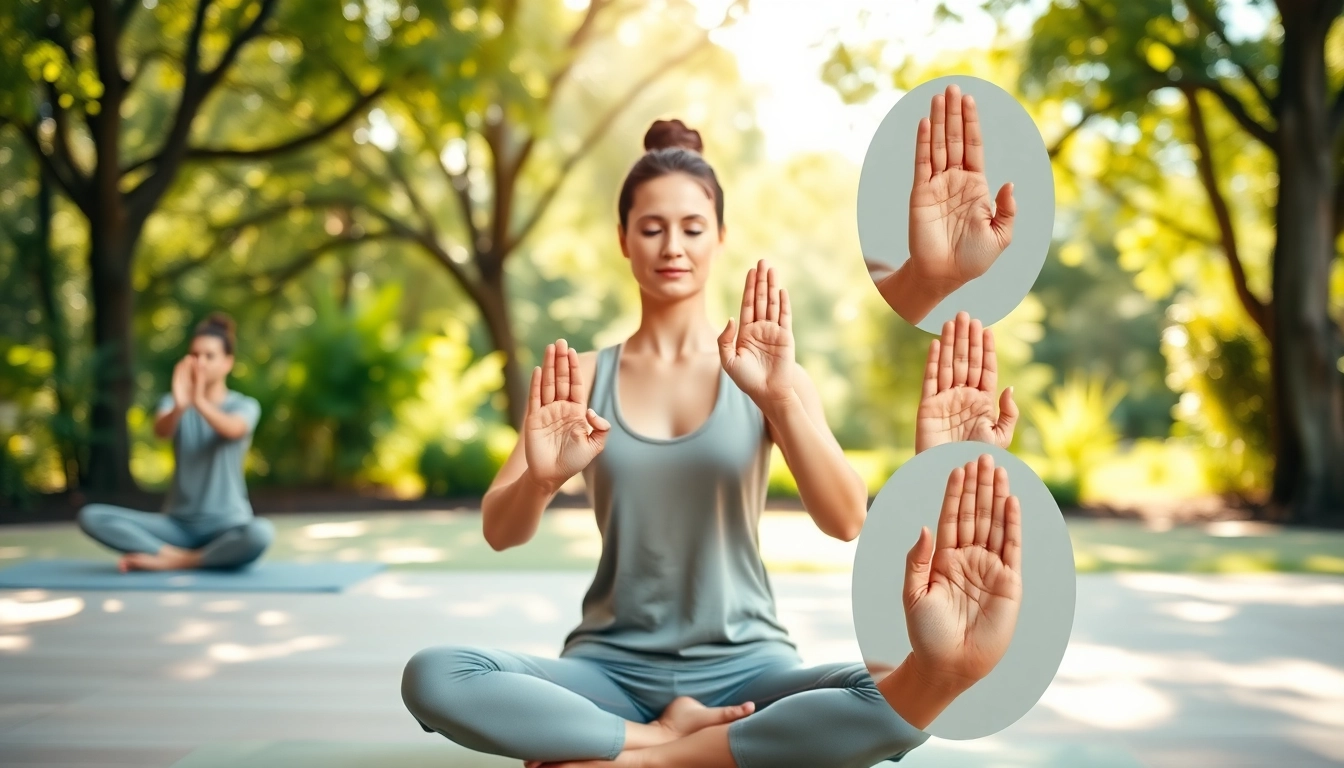
Hand mudras are the most prevalent forms, and they can be easily integrated into any yoga session or meditation practice. Below, we explore some of the most common hand mudras and their purposes:
- Gyan Mudra: Often called the gesture of knowledge, it is performed by touching the tip of the index finger to the tip of the thumb. This mudra promotes calmness and enhances concentration.
- Chin Mudra: Similar to Gyan mudra, but the hands rest on the knees. It helps in developing awareness and aids focus.
- Prana Mudra: Imbued with life energy, this mudra involves touching the tips of the thumb with the ring and little fingers. It is believed to activate and balance energies within the body.
- Shuni Mudra: By bringing the tip of the middle finger to the thumb, this gesture fosters patience and intuition.
- Dhyana Mudra: Used primarily in meditation, this mudra involves placing the right hand over the left in the lap, symbolizing tranquility and the union of dualities.
Body Yoga Mudras for Energy Flow
In addition to hand gestures, certain body positions or mudras can redirect energy flow and promote physical and spiritual alignment. These body mudras often require specific postures:
- Khechari Mudra: This practice involves placing the tongue against the upper palate, which is said to enhance energy flow throughout the body.
- Yoni Mudra: This involves interlacing fingers and creating a shape that represents the womb, believed to connect practitioners to their divine feminine energy.
- Vajra Mudra: Practicing this involves bringing both hands into a fist above the heart, symbolizing strength and grounding.
Mental and Emotional Benefits of Different Mudras
Beyond physical benefits, yoga mudras serve as powerful emotional tools. Each gesture or position carries specific vibrations and qualities that can influence mental states:
- Stress Relief: Mudras like Anjali Mudra can help reduce anxiety and foster a sense of peace and connection.
- Boosting Concentration: Mudras like Gyan and Chin can enhance focus, making them excellent for studying or working on projects that require sustained attention.
- Emotional Balance: Mudras such as Shuni can assist in navigating challenging emotions and promote resilience.
How to Practice Yoga Mudras
Basic Techniques for Beginners
Starting with yoga mudras does not require extensive knowledge or previous experience. Here are some basic techniques for beginners:
- Choose a comfortable seat: Sit cross-legged on a mat or on a chair with your back straight.
- Find a mudra that resonates with your intention: Whether it's for calmness, focus, or connection, select a mudra that aligns with your purpose.
- Practice mindfulness: As you hold the mudra, focus on your breath and maintain a calm state of mind.
- Duration: Aim to hold the mudra for 5-15 minutes while meditating or during your yoga routine.
Integrating Mudras into Yoga and Meditation
To fully harness the power of yoga mudras, they can be integrated seamlessly into standard yoga poses and meditation practices. Here’s how:
- Combine with pranayama: Use mudras while performing breathing exercises to enhance concentration and energy flow.
- Incorporate in asanas: Mudras can be held during various yoga postures to intensify the yoga experience.
- Infuse during meditation: Holding a mudra during meditation creates a focal point for intention and mindfulness.
Common Mistakes to Avoid with Yoga Mudras
Even though practicing yoga mudras is generally accessible, certain common mistakes can hinder their effectiveness:
- Neglecting the mental aspect: Mudras are not just physical gestures; it’s important to align your mind and intentions to the gesture.
- Inconsistent practice: Like any form of yoga or meditation, consistency enhances benefits. Aim to practice regularly.
- Ignoring body alignment: Ensure your body posture is aligned correctly to prevent tension or discomfort while holding a mudra.
Health Benefits of Yoga Mudras
Physical Advantages of Practicing Yoga Mudras
The practice of yoga mudras is known to offer numerous physical benefits, enhancing overall health in various ways:
- Improved Circulation: Certain mudras stimulate blood flow and can rejuvenate the body.
- Enhanced Flexibility: Practicing mudras alongside yoga postures can improve flexibility in the hands, wrists, and fingers.
- Boosted Immunity: Mudras like Prana can invigorate the body’s immune response, leading to better health.
Mental Clarity and Focus Through Mudras
Yoga mudras are also instrumental in boosting mental clarity and focus:
- They encourage mental calmness, making it easier to focus on tasks and reduce distractions.
- Mudras like Gyan can enhance cognitive function, making studies or analytical tasks more manageable.
- Practicing mudras during meditation helps clear the mind, promoting a deeper connection to one’s thoughts and feelings.
Spiritual Growth and Mudras
Beyond physical and mental benefits, many practitioners find that yoga mudras assist them on their spiritual journeys:
- Mudras facilitate energetic shifts that can align practitioners with higher consciousness and awareness.
- They help in connecting with inner peace and self-discovery through meditation and mindful practice.
- Each gesture invites discovery of personal intentions and offers a unique pathway to spiritual growth.
Advanced Yoga Mudras
Challenging Mudras for Experienced Practitioners
Once you’ve mastered basic yoga mudras, you may want to explore more advanced techniques. This can deepen your practice and enhance energy flow:
- Samadhi Mudra: Involves interweaving fingers while meditating; it is an advanced mudra that signifies unity and transcendence.
- Yogic Mudras: Incorporating multiple hand gestures simultaneously can amplify their effects and resonate deeper with various energy centers.
Combining Multiple Mudras for Enhanced Effects
Combining mudras can create a synergistic effect that enhances their benefits:
- Utilizing two or more gestures that correspond to your intentions can maximize energy flow.
- For instance, you can combine Dhyana and Gyan during meditation, inviting both focus and calmness.
Measuring the Impact of Yoga Mudras in Your Practice
To evaluate the effectiveness of yoga mudras in your practice, consider the following:
- Maintain a journal where you note how each mudra affects your physical and emotional states.
- Observe the improvements in your meditation or yoga practice, such as better focus or increased relaxation.
- Regular self-assessments can help you determine which mudras resonate most and optimize their integration.