What are Wildfire Events?
Definition and Characteristics
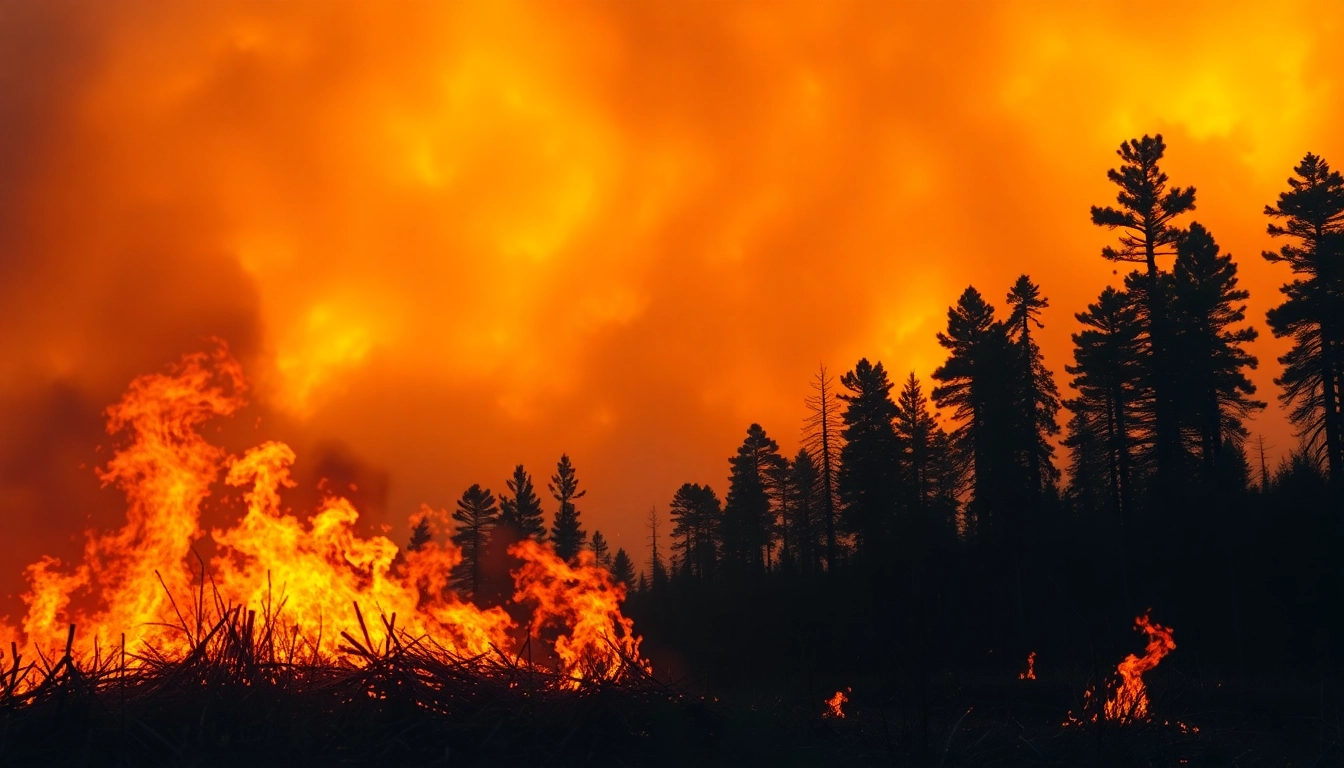
Wildfire events are uncontrolled fires that spread rapidly through vegetation, natural landscapes, and sometimes urban areas. These fires occur in grasslands, forests, and other undeveloped lands, igniting due to various natural or human activities.
Characteristically, wildfires can vary in size and intensity, ranging from small shrub fires to large-scale blazes that engulf tens of thousands of acres. The behavior of wildfires can change quickly due to factors such as wind speed, humidity, and moisture content in the vegetation.
Wildfires are categorized as either wildland fires, which occur in vegetative landscapes, or interface fires, which happen at the border of developed properties and wildland areas. Understanding these definitions is crucial, as it sets the stage for assessing risks and responses to Wildfire events.
Types of Wildfire Events
Wildfire events can be classified into several types based on their characteristics and causes:
- Ground Fires: These fires occur underground, burning organic material in the soil. They can smolder for extended periods and reignite vegetation above.
- Surface Fires: Typically moving at moderate speeds, surface fires burn through low-lying brush, trees, and grass. They are the most common type of wildfire.
- Crown Fires: These fires spread rapidly across the tops of trees and are fueled by high winds and dry humidity. Crown fires pose the greatest threat to life and property.
- Spot Fires: These fires ignite due to embers blown away from the main fire by wind. They can start new fires miles away from the original blaze.
Historical Perspectives on Wildfire Events
The history of wildfire events is rich and varied, with several devastating incidents etched into collective memory. Such historical wildfires include the Great Fire of 1910 in Idaho, which burned over three million acres and raised awareness about wildfire management. In contrast, the Peshtigo Fire of 1871 remains the deadliest wildfire in U.S. history, claiming over 1,500 lives and destroying the town of Peshtigo, Wisconsin.
Understanding these historical perspectives helps frame current wildfire management practices and prepares communities for future threats.
Causes of Wildfire Events
Natural Causes of Wildfire Events
Natural phenomena are primary catalysts for wildfire events. Thunderstorms, lightning strikes, and volcanic eruptions can all spark massive blazes. For instance, lightning is a frequent ignitor of wildfires in forested areas, particularly when it strikes dry vegetation. The natural landscape has developed a resilience to these wildfires, as many ecosystems rely on them for regeneration.
Human-initiated Wildfire Events
Unintentional human activities are significant contributors to wildfire occurrences. Campfires left unattended, discarded cigarettes, and arson account for a considerable percentage of all wildfires. Moreover, agricultural practices such as controlled burns can sometimes escape control, spiraling into large-scale wildfires.
Preventative education and community awareness are vital in reducing human-induced fires. Organizations must promote responsible behavior concerning fire safety during high-risk seasons.
The Role of Climate Change in Wildfire Events
As climate change continues to evolve, its impact on wildfire events becomes increasingly apparent. Rising temperatures and prolonged drought conditions desiccate vegetation, making it more susceptible to ignition. Furthermore, climate change alters precipitation patterns, leading to wetter conditions followed by intense dry periods, which can contribute to larger and more destructive wildfires.
Recognizing the role of climate change in wildfire dynamics is critical for effective management and adaptation strategies.
Impacts of Wildfire Events
Environmental Consequences of Wildfire Events
Wildfire events can dramatically alter landscapes and ecosystems. The immediate impact often includes destruction of flora and fauna, leading to loss of biodiversity. Additionally, wildfires release significant amounts of carbon dioxide, exacerbating climate change. On a micro-level, wildfires can affect soil health by removing nutrients, leading to issues like erosion and reduced agricultural productivity.
Economic Costs Associated with Wildfire Events
The financial ramifications of wildfires are profound. Immediate costs include firefighting efforts, property damage, and infrastructure loss. Long-term economic costs can arise from diminished tourist revenue, loss of timber resources, and increased fire insurance premiums. Communities must be prepared for these costs, and local governments need robust funding mechanisms for fire management and recovery.
Social and Health Effects of Wildfire Events
Wildfires create significant social impacts, displacing families, and disrupting communities. Evacuations can lead to mental health crises and increased anxiety among residents. Health wise, smoke from wildfires poses serious respiratory risks, impacting not only those close to the fire but also individuals living hundreds of miles away. Increased incidences of asthma and other chronic respiratory conditions have been linked to wildfire smoke exposure.
Preparedness and Response to Wildfire Events
Personal Safety Measures for Wildfire Events
Preparation is critical for personal safety in wildfire-prone areas. Residents should create defensible space around their homes by clearing flammable materials and maintaining healthy vegetation. Additionally, having an emergency evacuation plan in place, which includes a bag of essentials, can save lives during an urgent evacuation.
Community Preparedness Programs for Wildfire Events
Community preparedness initiatives play a fundamental role in mitigating wildfire risks. Local governments and fire departments often run outreach programs to educate residents about fire safety and hazard reduction techniques. Engaging community members through workshops and drills enhances readiness and builds resilience.
Risk Mitigation Strategies for Wildfire Events
Effective risk mitigation aims to reduce the likelihood and severity of wildfires. Strategies may include controlled burns, vegetation management through thinning, and establishing firebreaks. Additionally, investing in modern technologies such as satellite monitoring and early warning systems can significantly enhance detection and response to wildfire events.
Future Directions for Managing Wildfire Events
Innovative Technologies in Wildfire Events Management
Recent advancements in technology have the potential to transform wildfire management. Drones equipped with thermal imaging can assist in detecting hotspots, while GIS technology can aid in mapping vulnerable areas. Furthermore, data analytics can help predict wildfire behavior, allowing for better resource allocation during fire events.
Policy Recommendations for Mitigating Wildfire Events
Robust policy frameworks are essential to enhance strategies for wildfire mitigation and management. Governments should focus on integrating wildfire management plans into broader land use planning. Financial incentives for forest-to-farm transitions and vegetation reduction programs can encourage sustainable land management practices.
The Importance of Public Awareness Regarding Wildfire Events
Public awareness initiatives are vital for enhancing community preparedness and resilience. Comprehensive education programs featuring real-life testimonials and scientific data can illustrate the risks associated with wildfire events effectively. Encouraging personal responsibility through public campaigns can foster a culture of preparedness.
Frequently Asked Questions (FAQs)
What are the main causes of wildfires?
Wildfires are primarily caused by natural phenomena like lightning and human activities such as campfires, discarded cigarettes, or arson.
How can I prepare for a wildfire in my area?
Create a defensible space around your home by clearing flammable materials, maintain an emergency kit, and have an evacuation plan ready.
What are the environmental impacts of wildfires?
Wildfires can destroy ecosystems, contribute to biodiversity loss, and increase carbon dioxide emissions, worsening climate change effects.
What safety measures should communities take for wildfire events?
Communities should engage in outreach programs, promote vegetation management, and establish clear evacuation guidelines for residents.
How is technology changing wildfire management?
Technological advancements like drones, thermal imaging, and GIS mapping enhance detection, prediction, and resource allocation during wildfire events.