What Does a Professional Video Editor Do?
Overview of Responsibilities
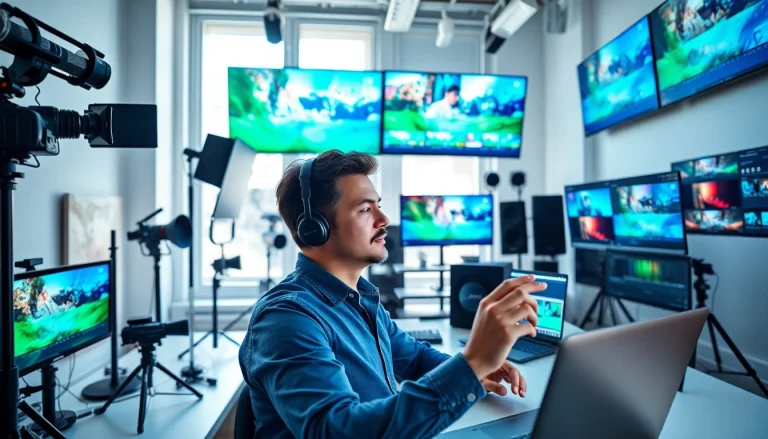
A professional video editor plays a pivotal role in the post-production process, working diligently to transform raw footage into a polished final product. Their primary responsibilities encompass a broad range of tasks, including editing video content, color grading, sound mixing, and adding visual effects. As the backbone of film and video production, professional video editors ensure that each piece flows seamlessly, enhances storytelling, and resonates with viewers.
In any project, a video editor must first review and understand the raw material provided. This can consist of hours of footage from various sources. They utilize their professional video editing skills to eliminate unnecessary scenes, deciding which shots echo the intended narrative or message the most effectively. After trimming down the footage, they arrange scenes in a coherent structure, enhancing the storyline through creative sequencing.
Beyond mere cutting, they may also work closely with directors and producers to ensure that their vision is accurately represented. Each decision made by an editor helps shape the overall tone and pacing, which contributes significantly to audience engagement. Ultimately, the objective is to evoke emotions, whether through tension, laughter, or excitement.
Key Tools and Software Used
Professional video editors employ a variety of tools and software to achieve their high-quality results. Some of the most widely used software includes:
- Adobe Premiere Pro: Renowned for its expansive capabilities, this software allows for multi-track editing, advanced effects, and seamless integrations with other Adobe products.
- Final Cut Pro: A major choice for Mac users, it offers a user-friendly interface and powerful editing tools, especially well-suited for narrative films and corporate videos.
- DaVinci Resolve: Widely praised for its color correction capabilities, this software combines high-quality editing tools with an extensive color grading palette, making it ideal for professional filmmakers.
- Avid Media Composer: Known for its collaborative features, Avid is favored in large-scale productions where multiple editors work on the same project.
Choosing the right tool often depends on specific project requirements, personal preference, and familiarity with the software. Editors must be proficient in navigating their chosen platform to optimize their workflow efficiently.
The Importance of Storytelling in Editing
At its core, video editing is storytelling. A professional video editor isn't just piecing together footage; they are crafting a narrative that captivates the audience. Understanding the arc of the story, character development, and emotional beats is crucial to the editing process. The editor gives shape to the story through pacing, rhythm, and visual coherence, often collaborating with writers and directors to honor the content's integrity.
For example, in a dramatic scene, an editor may choose to juxtapose the expressions of different characters to enrich the narrative tension. This approach not only explains the character's emotions but also aids in retaining the audience's fascination. In commercial video content, the storytelling takes a different shape, focusing more on engaging and persuading viewers to take specific actions.
Essential Skills Required for Professional Video Editors
Technical Skills: Software and Equipment
Proficiency in various editing software is non-negotiable for a professional video editor. They must have a deep understanding of the software's capabilities and functionalities, be it Adobe Premiere Pro or Final Cut Pro. This technical expertise extends to operating cameras, audio equipment, and keying in multiple formats.
Moreover, editors should also have experience with hardware such as video capture devices and external hard drives to manage high-resolution footage efficiently. Familiarity with file formats, resolutions, and codecs is essential for maintaining video quality throughout the editing process.
Creative Skills: Editing Techniques and Styles
The art of editing goes beyond technical skill; it requires a creative approach to problem-solving. A professional video editor should be adept in various editing techniques, including:
- Montage: Creating short sequences of clips to convey a particular theme or emotion swiftly.
- Jump Cuts: Emphasizing the passage of time or creating a dramatic effect by cutting between scenes without traditional transitions.
- Cross-cutting: Interweaving different storylines or perspectives to enhance tension or build a narrative connection.
Each of these techniques can add a distinct flavor to the final product, demanding both artistic vision and strategic execution during the editing processes.
Communication and Collaboration Skills
Due to the collaborative nature of video production, effective communication is essential for a professional video editor. They are often required to liaise with directors, producers, and clients, gathering feedback and interpreting creative visions accurately. This necessitates strong interpersonal skills to articulate their ideas and suggestions succinctly.
Additionally, understanding the nuances of the intended audience is crucial. Editors must edit with a target demographic in mind, ensuring that the visual and auditory elements align with viewer expectations. Such awareness can also dictate a professional approach to delivering revisions and amendments quickly and efficiently without sacrificing creative intent.
How to Choose a Professional Video Editor
Evaluating Experience and Expertise
When selecting a professional video editor, potential clients should critically evaluate their experience and expertise. This can be assessed through their portfolios, which should showcase a variety of editing styles and project types. A deeper investigation into the editor's previous work can reveal their ability to deliver high-quality output consistently.
It’s also beneficial to consider an editor’s specializations. Some may excel in narrative features, while others might be more suited for promotional content. Understanding these nuances can ensure alignment with your project's goals.
Understanding Pricing Models and Budgeting
Pricing for video editing can vary significantly based on multiple factors, including the editor's experience, project complexity, and delivery timelines. Common pricing structures include:
- Hourly Rates: Typically range from $15 to over $150 per hour, depending on skill level.
- Per Project Fees: A flat fee agreed upon before the project starts, suitable for well-defined jobs.
- Retainer Agreements: A set fee for an ongoing relationship, often used by companies requiring consistent edits.
Budgeting should include considerations for the scope of work and expected revisions to avoid unforeseen costs.
Requesting Sample Works and Portfolios
Before hiring, it’s prudent to request sample works and review portfolios. This offers insights into an editor's style, versatility, and quality of work. Additionally, discussions about their process can highlight how they handle client input and revisions.
Moreover, obtaining references or testimonials from previous clients can validate an editor’s reliability and professionalism, contributing to more informed decision-making.
The Impact of Technology on Video Editing
Emerging Software Innovations
In today’s rapidly evolving digital landscape, technology significantly influences video editing. The emergence of innovative software tools has enabled editors to streamline workflows and enhance creative possibilities. Programs now offer features like cloud collaboration, which allows multiple users to work on projects simultaneously from different locations—a necessity for modern remote or hybrid work environments.
Additionally, advanced capabilities such as 4K and 8K editing, real-time rendering, and integration of AI tools have made the production of high-quality content faster and more accessible than ever before.
The Rise of AI in Video Editing
Artificial Intelligence (AI) is transforming video editing by automating repetitive tasks and suggesting edits based on algorithms. Tools that utilize AI can assist in color matching, audio leveling, and even generating rough cuts based on content analysis.
Such innovations provide video editors with more time to focus on creative aspects, allowing them to conceptualize and implement storytelling techniques without the burden of labor-intensive tasks.
Future Trends in Video Production and Post-Production
As technology continues to advance, several trends are emerging in video production and post-production. Notably, the rise of virtual reality (VR) and augmented reality (AR) is paving the way for immersive content experiences. Video editors will need to adapt their skills for these new formats, creating non-linear narratives that enhance viewer engagement.
Moreover, social media platforms are continually evolving, compelling editors to produce content that is optimized for various formats, including short-form videos suited for mobile viewing. Mastery of these trends will be vital for editors aiming to remain relevant in a dynamic industry.
Building a Successful Career as a Professional Video Editor
Navigating the Freelance Market
The landscape of film and video editing has shifted towards freelance roles, providing flexibility and autonomy for editors. However, navigating the freelance market requires strategic positioning, networking, and self-promotion. Establishing a strong online presence through platforms like Vimeo and social media can attract clients and showcase an editor’s unique style and offerings.
Furthermore, understanding niche markets, such as corporate videos or wedding edits, can help freelancers identify specific target audiences, allowing them to tailor their services more efficiently.
Networking and Building Client Relationships
Successful video editors understand the importance of building relationships within the industry. Networking with professionals—such as filmmakers, producers, and other editors—can lead to collaboration opportunities and referrals. Attend industry events, join online forums, and participate in workshops to widen your network and connect with potentially valuable contacts.
Sustaining client relationships after project completion is equally vital. Consistent follow-ups and offering additional services can help editors secure repeat business and cultivate lasting partnerships.
Continuous Learning: Staying Updated with Industry Changes
The video editing industry is in constant flux, impacted by new technologies, trends, and techniques. Continuous learning is essential for professional growth. Editors can benefit from online courses, webinars, and forums focused on emerging trends and software capabilities. Furthermore, seeking feedback from peers or mentors can improve skills and foster a mindset geared towards innovation.
Staying abreast of industry publications, blogs, and social media discussions can provide insights into best practices and future directions, enabling editors to maintain competitiveness in a rapidly evolving landscape.