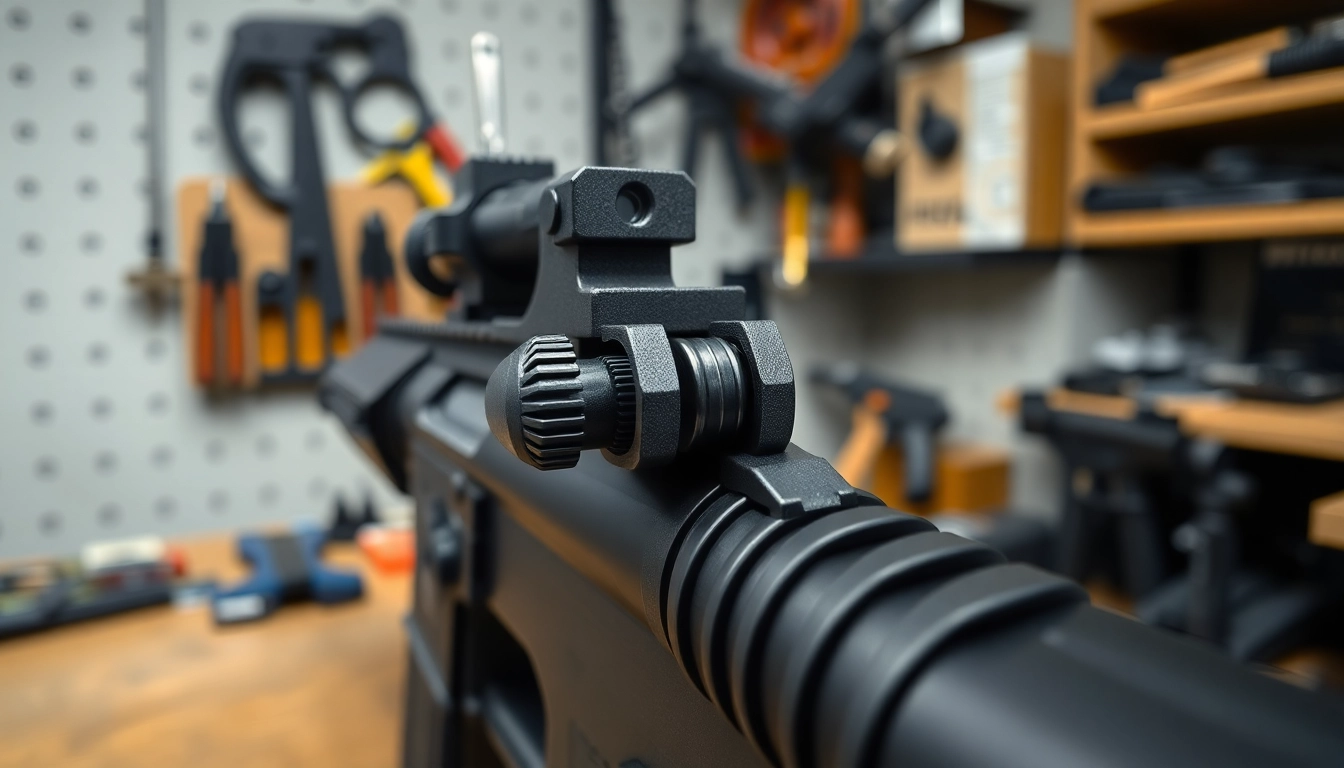
Introduction to the 3 Position Forced Reset Trigger
The world of firearm accessories has seen significant advancements, particularly in trigger technology. Among these innovations, the 3 position forced reset trigger stands out as a remarkable development for gun enthusiasts and competitive shooters. This article delves into the intricacies of the 3 position forced reset trigger, exploring its features, operation, benefits, and more, to provide readers with a comprehensive understanding of this innovative tool.
What is a 3 Position Forced Reset Trigger?
A 3 position forced reset trigger is a type of trigger mechanism designed for semi-automatic firearms, which allows for an enhanced shooting experience. Unlike a standard trigger, which requires a full release to reset, a forced reset trigger engages as soon as the firing cycle is complete, allowing for quicker follow-up shots. The three positions typically include safe, semi-automatic, and a forced reset mode, providing versatility and control for shooters.
Key Features of 3 Position Forced Reset Trigger
This innovative trigger design boasts several essential features that enhance its functionality:
- Three Functional Positions: Each position is specifically tailored for different shooting needs—safe, semi-automatic, and forced reset.
- Drop-In Design: Many models are designed for easy installation, allowing shooters to upgrade their triggers without specialized tools.
- Increased Cycling Speed: The mechanism allows for quicker firing rates by resetting the trigger automatically after each shot, maintaining a smoother operation.
- Durability: Built with high-quality materials, forced reset triggers are engineered for robust performance in various shooting environments.
How a 3 Position Forced Reset Trigger Works
The operation of a 3 position forced reset trigger can be broken down into simple steps. When the shooter pulls the trigger in semi-automatic mode, a round is fired, and the trigger resets automatically without the need for complete release. In the forced reset position, the mechanism ensures that the trigger is ready to fire again as soon as the user maintains pressure on it, allowing for a significantly faster shooting rate.
Benefits of Using a 3 Position Forced Reset Trigger
Adopting a 3 position forced reset trigger comes with a plethora of advantages that enhance the shooting experience:
Enhanced Performance and Control
The forced reset feature allows shooters to engage in rapid-fire sequences while maintaining control over their shots. This is particularly beneficial in competitive shooting environments, where milliseconds can make a significant difference. Shooters report high satisfaction with the speed and efficiency that these triggers provide, making follow-up shots more effective and less stressful.
Ease of Installation
Many 3 position forced reset triggers are designed to be "drop-in" components. This simplicity means that most users can install their new trigger without needing to modify their firearms extensively. Clear instructions typically accompany these triggers, which further increases accessibility for users who may be new to firearm modifications.
Legal Considerations
Legal aspects vary by location, so it's essential for firearm owners to understand local regulations. Currently, in many jurisdictions, the 3 position forced reset trigger is considered legal to own and operate, provided it adheres to specific guidelines. Always check current laws before purchasing and installing a forced reset trigger to ensure compliance and safe usage.
Comparing the 3 Position Forced Reset Trigger with Other Triggers
To appreciate the unique benefits of a 3 position forced reset trigger, it's helpful to compare it with standard trigger mechanisms and other types of enhanced triggers.
3 Position vs Standard Triggers
Standard triggers require a complete release after each shot, which slows down shooting speed. In contrast, the 3 position forced reset trigger allows for rapid follow-up shots without the need for a full release. This quicker reset feature gives it a significant edge, particularly in dynamic shooting scenarios.
3 Position vs Binary Triggers
Binary triggers are designed to fire on both the pull and release of the trigger. While they allow for rapid fire akin to full automatic, they can be more complex to handle and require a keen understanding of the mechanics to operate safely. The 3 position forced reset trigger, maintaining simplicity, allows for faster shooting while promoting better control and accuracy.
Advantages of Choosing a 3 Position Forced Reset Trigger
The choice to implement a 3 position forced reset trigger can yield significant advancements in a shooter's performance. Enhanced responsiveness leads to greater shooting accuracy, while the easy installation process encourages upgrades across various firearm platforms without necessitating expert gunsmith services.
Installation and Maintenance of 3 Position Forced Reset Trigger
Installing a new trigger can seem daunting, but the 3 position forced reset trigger has streamlined this process. By following methodical steps, users can enjoy their upgraded trigger in no time.
Installation Steps for Beginners
- Gather Tools: Ensure you have the necessary tools such as a punch set, screwdriver, and safety glasses.
- Ensure Safety: Always clear the firearm and remove any ammunition before starting the installation.
- Remove the Old Trigger: Disassemble the lower receiver to access the old trigger assembly, carefully removing it.
- Install New Trigger: Place the 3 position forced reset trigger into the lower receiver, ensuring alignment with existing pin holes.
- Reassemble the Receiver: Once installed, reattach the lower receiver components and test the trigger operation.
Routine Maintenance Tips
To ensure optimal performance, regular maintenance is essential. Perform the following actions regularly:
- Clean the trigger assembly to prevent dirt and debris buildup.
- Check for signs of wear and replace components that show degradation.
- Lubricate necessary areas lightly to ensure smooth operation.
Common Issues and Troubleshooting
As with any mechanical part, users may encounter occasional issues. Some common problems and their solutions include:
- Trigger Not Resetting: Check if the installation was performed correctly. Reassess alignment and pin placement.
- Heavy Trigger Pull: Investigate for debris in the mechanism or consider consulting a professional for adjustments.
- Inconsistent Operation: This may indicate a need for cleaning or that parts have become worn; routine checks should prevent this.
Frequently Asked Questions About 3 Position Forced Reset Trigger
What firearms can use a 3 position forced reset trigger?
Most semi-automatic firearms are compatible with 3 position forced reset triggers. Always check specific model compatibility before purchase to ensure a proper fit.
Is the 3 position forced reset trigger legal in all states?
Legal status varies by location. Research local laws to ensure compliance before acquiring or utilizing a 3 position forced reset trigger.
Can I install a 3 position forced reset trigger myself?
Yes, installation is designed to be straightforward and is suitable for those with basic firearm modification skills. Always follow instructions carefully.
How does a 3 position forced reset trigger compare in performance?
The 3 position forced reset trigger allows for faster follow-up shots compared to traditional triggers, enhancing performance in precision and rapid shooting scenarios.
What are the safety considerations with a 3 position forced reset trigger?
Standard firearm safety protocols apply. Always keep the firearm pointed safely, keep fingers off the trigger until ready to fire, and adhere to local laws and regulations.