
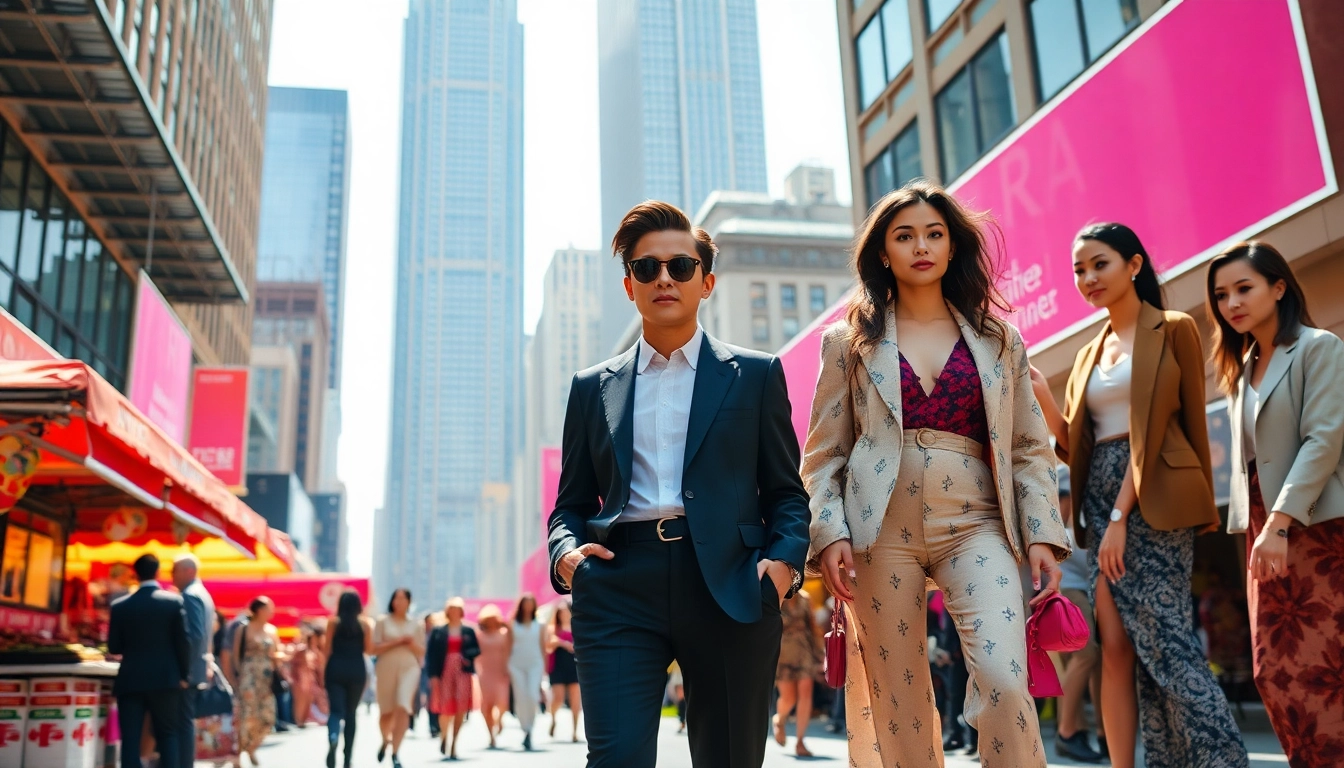
The Essence of Fashion
Defining Fashion and Its Importance
Fashion is more than just clothing; it is a cultural phenomenon that communicates personal identity, societal trends, and artistic expression. Defined as the prevailing styles in clothing, accessories, and more, Fashion serves as a mirror reflecting the zeitgeist of any given era. It tells a story about the social, economic, and even political climates of the time, encapsulating values, beliefs, and social norms.
Evolution of Fashion Through the Decades
Fashion is not static; it evolves in tandem with shifts in society. The roaring twenties introduced flapper dresses and bold accessories, while the post-war years shifted towards more practical styles in response to changing gender roles. In later decades, the punk movement subverted traditional aesthetics, reflecting a rebellion against established norms. Today, we see the amalgamation of past and present influences, with style hybridity becoming increasingly common.
Fashion as Cultural Expression
Fashion acts as a canvas for cultural expression, allowing individuals to communicate their heritage, beliefs, and affiliations. From traditional garments that signify cultural roots to modern designs that challenge the status quo, fashion plays a pivotal role in cultural identity formation. As globalization blurs boundaries, we witness a fusion of styles, leading to rich, eclectic wardrobes that celebrate diversity.
Current Fashion Trends
Seasonal Trends and Their Influence
Each season brings a fresh wave of trends that influence the fashion industry globally. Spring is often marked by pastel colors and floral patterns, while winter trends gravitate towards rich hues and layered textures. These seasonal trends guide consumer purchasing decisions, driving styles from runway to retail. Moreover, fashion weeks across the globe set the tone for what styles will dominate, making them highly anticipated events in the industry calendar.
Street Style and High Fashion
The intersection of street style and high fashion is increasingly prominent. Street fashion, with its roots in youth culture and everyday environments, is reshaping the narrative of high-end fashion. Designers draw inspiration from the streets, merging functionality with aesthetics. This democratization of fashion emphasizes originality and personal style, making it an inclusive space for diverse expressions.
Sustainable Fashion Movements
As awareness of environmental issues grows, sustainable fashion has emerged as a critical concern within the industry. This movement advocates for ethical sourcing, fair labor practices, and eco-friendly materials. Brands are now focusing on transparency, urging consumers to consider the lifecycle of their purchases. This shift toward sustainability ensures that fashion not only serves individual style but also respects and preserves the planet.
Fashion Styles and Subcultures
Understanding Different Fashion Styles
Fashion styles are as varied as the individuals who wear them. From bohemian to minimalist, each style speaks to different personality traits and lifestyle choices. Understanding these styles can help individuals find their unique voice within the fashion landscape. Additionally, the popularity of athleisure and comfort wear is revolutionizing traditional notions of what fashion should represent.
The Impact of Subcultures on Fashion
Subcultures have historically influenced mainstream fashion significantly. Each movement, be it goth, hip-hop, or grunge, introduces unique elements that challenge existing norms. These subcultures foster community and individuality, allowing for fresh interpretations of style that resonate with broader audiences. As these trends cycle back into fashion, they spark new dialogues about identity and expression.
Iconic Fashion Figures and Their Influence
Throughout history, fashion has been shaped by influential figures whose work transcends the runway. Designers, models, and style icons have left indelible marks on the industry. Figures like Coco Chanel and Alexander McQueen have revolutionized how we approach fashion, pushing boundaries and redefining elegance. Their legacies inspire new generations, making them integral to the ongoing evolution of fashion.
The Role of Fashion Media
Fashion Magazines and Their Impact
Fashion magazines have long been at the forefront of fashion communication, shaping public perceptions and trends. Through expertly curated content, these publications influence consumer behavior while providing a platform for emerging designers. Their editorial choices can make or break fashion lines, highlighting the pivotal role they play in the industry.
Digital Fashion Influencers
The rise of digital influencers has fundamentally transformed the fashion landscape. Platforms like Instagram and TikTok enable individuals to create and share their unique fashion narratives, challenging traditional marketing models. Influencers cultivate authenticity, fostering deeper connections with their audience while driving engagement through visual storytelling. This democratization of influence has reshaped how brands approach their marketing strategies.
The Future of Fashion Media
Looking ahead, fashion media is set to evolve further with the integration of technology. Innovations such as augmented reality and virtual reality are poised to reshape how consumers experience fashion. As the lines between digital and physical spaces blur, the future promises exciting opportunities for interactive fashion experiences that engage audiences in new ways.
Shopping for Fashion
Online vs. Offline Fashion Shopping
The shopping experience has shifted dramatically in recent years, with a pronounced focus on online retail. Consumers now enjoy the convenience of browsing extensive collections from the comfort of their homes. However, offline shopping still holds value through the tactile experience it offers. The future lies in integrating both experiences to meet diverse consumer needs effectively.
Tips for Finding Your Personal Style
Finding one's personal style can be a journey of self-exploration. Start by examining your wardrobe and identifying pieces that resonate with you. Experimenting with different styles, colors, and patterns can enhance your understanding of what makes you feel confident. Additionally, seek inspiration from various sources, including social media, fashion blogs, and everyday encounters. Remember, personal style is an evolution, not a fixed identity.
The Role of Fashion Retailers in Trends
Fashion retailers play a critical role in shaping trends, acting as the bridge between designers and consumers. By curating collections that reflect contemporary tastes and forecasting market demands, retailers influence purchasing behaviors. Their choices in promoting certain styles over others not only impact sales but also shape cultural narratives surrounding fashion.
FAQs
What does fashion mean?
Fashion describes the styles and trends in clothing and accessories that reflect cultural aesthetics, social status, and identity, influencing how people express themselves.
How has fashion changed over time?
Fashion has evolved dramatically, influenced by cultural shifts, technological advancements, and social movements. Each era introduces new styles that often echo historical trends, showcasing continuity and change.
What are the key fashion trends right now?
Current trends include sustainable fashion, eclectic mix-and-match styles, and the rise of gender-neutral clothing, focusing on individual expression and comfort.
How can I develop my personal style?
Start by assessing your current wardrobe, experimenting with new styles, and seeking inspiration from various sources, allowing your style to evolve naturally over time.
What is the impact of fashion on society?
Fashion reflects cultural values, social movements, and economic conditions, shaping public perceptions and influencing issues like sustainability, identity, and equality.