The Benefits of Using Wood Slats
Sound Absorption and Acoustic Benefits
One of the most compelling advantages of incorporating wood slats into your interior design is their ability to enhance acoustic properties. The arrangement of these slats can effectively absorb sound waves, reducing echo and reverberation in spaces such as studios, theaters, and conference rooms. By carefully selecting the width, spacing, and orientation of the slats, one can optimize sound absorption, making rooms quieter and more comfortable. This feature is particularly beneficial in open-concept living spaces or areas with hard surfaces, where sound can bounce and create a chaotic auditory experience.
Aesthetic Appeal and Design Versatility
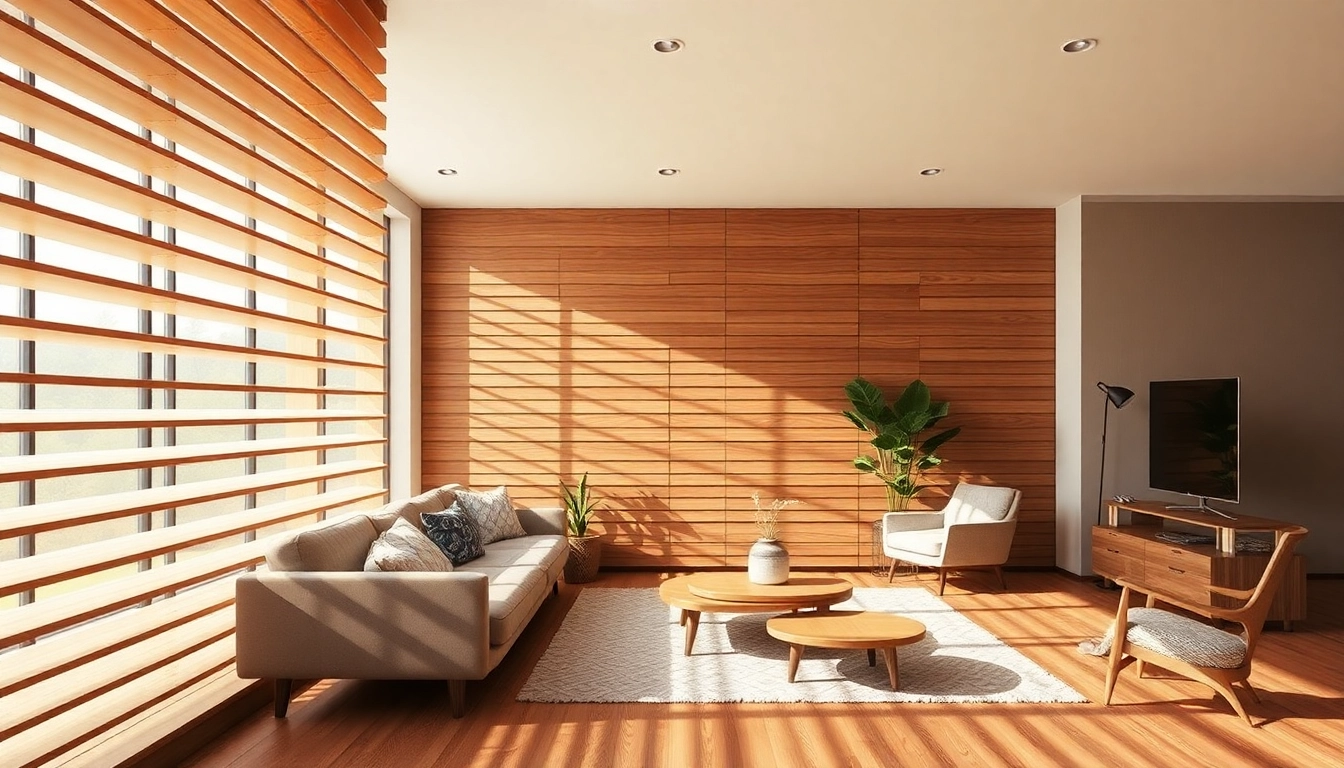
Wood slats are not only functional but also visually pleasing. They can be utilized in various styles, from rustic to modern, and can complement nearly any design theme. The natural grains and warm tones of wood enhance the overall appearance of a space, adding depth and texture. Designers often use slats to create feature walls that serve as focal points, or they can be employed to define areas within larger spaces. Additionally, they can be painted or stained to match specific color palettes, allowing for endless customization.
Durability and Maintenance Considerations
When properly treated and maintained, wood slats offer remarkable durability. Many types of wood, such as oak, maple, and walnut, resist warping and damage, making them ideal for both indoor and outdoor applications. Regular maintenance, primarily through cleaning and occasional refinishing, ensures the longevity of the panels. It is advisable to apply protective coatings that guard against moisture and UV rays, particularly for slats used externally. By taking care of wood slats, homeowners can enjoy their beauty and functionality for years to come.
Application of Wood Slats in Different Settings
Residential Spaces and Interiors
Within residential spaces, wood slats can be particularly effective in creating inviting atmospheres. They are commonly used in living rooms to anchor furniture arrangements or in bedrooms to create headboards that are both stylish and functional. Slatted designs can also contribute to the visual separation of spaces, such as dining areas from living rooms, through strategic placement and orientation. The versatility of wood slats allows them to blend seamlessly with various furnishings, enhancing the overall design aesthetic.
Commercial Applications and Offices
In commercial environments, the use of wood slats can transform office spaces, meeting rooms, and retail areas. Not only do they contribute to sound dampening, which is crucial in busy workplaces, but they also foster a more productive work environment by creating a focused atmosphere. Wooden slats can be used to create acoustic panels, suspended ceilings, or feature walls that also promote brand identity through customized designs. Beyond functionality, the addition of wood slats can also convey professionalism and thoughtfulness in design, leading to improved client perceptions.
Outdoor Uses and Enhancements
Wood slats flourish in outdoor settings as well. They can be utilized in deck railings, garden features, and as cladding for outdoor structures. Given their natural resistance to weather elements, they provide both aesthetic appeal and structural integrity. Wood slats can also be employed in outdoor furniture, pergolas, and shade screens. Incorporating slats into exterior designs not only enhances the architecture but also creates functional outdoor spaces that can be enjoyed year-round.
Installation Tips for Wood Slats
Tools and Materials Needed
Before embarking on a wood slat installation project, ensure you have the necessary tools and materials. Key tools include a saw (preferably a miter saw for precise cuts), a drill, measuring tape, level, and gauges for spacing. Fasteners may include screws, nails, or adhesive, depending on the chosen installation method. For materials, selecting quality wood slats that fit your desired dimensions and aesthetic is imperative. Additionally, purchasing wood treatment products can help in achieving desired finishes and durability.
Step-by-Step Installation Guide
Once equipped with the right tools and materials, follow these steps to install your wood slats:
- Prepare the Surface: Ensure the wall or surface is clean, dry, and level.
- Measure and Mark: Use a level to mark lines on the surface where the slats will be placed.
- Cut the Slats: Cut the wood to the desired lengths, accounting for any design adjustments.
- Attach the Slats: Begin fastening the first slat, ensuring it is straight. Continue attaching slats according to your design plan.
- Finish and Treat: Once installed, apply any desired treatments or finishes to enhance protection and aesthetics.
Safety Precautions During Installation
Safety should be a priority during the installation process. Always wear protective gear such as gloves and safety goggles to protect against sawdust and potential injuries. Ensure tools are in good condition and use them according to the manufacturer’s instructions. When working with heights, especially on step ladders or scaffolding, maintain three points of contact at all times. Proper ventilation is also necessary when applying treatments or finishes to prevent inhalation of harmful fumes.
Choosing the Right Type of Wood Slats
Different Types of Wood for Slats
Choosing the type of wood for your slats is critical, as it influences not just aesthetics but also durability. Common choices include:
- Oak: Known for its strength and rich grain, oak slats are a popular choice for many applications.
- Pine: Lightweight and affordable, pine is ideal for projects where budget constraints exist.
- Walnut: Valued for its deep color and visual richness, walnut is perfect for creating a luxurious feel.
Each wood type has its characteristics and advantages, making it essential to match the choice with the intended use and desired appearance.
Finishes and Treatments for Longevity
Applying finishes and treatments enhances the longevity of wood slats. Options include stains, paints, and sealants that can protect against moisture and UV damage. Stains can bring out the natural beauty of wood while providing a protective barrier, while sealants protect against wear and tear, particularly in high-traffic areas. Choosing non-toxic or eco-friendly treatments can also contribute to a healthier indoor environment.
Eco-Friendly Options
With growing concern for environmental sustainability, eco-friendly wood slats are gaining popularity. Reclaimed wood offers an opportunity to incorporate sustainable materials while adding character and history to a design. Similarly, using composite materials that mimic the look of wood while minimizing environmental impact is also a smart choice. Always verify that wood sources are certified by responsible forestry organizations to promote sustainability.
Innovative Ideas to Use Wood Slats
DIY Projects for Homeowners
Homeowners can engage in various DIY projects using wood slats, such as creating decorative wall art or custom shelving units. Slats can also be used to build unique headboards, furniture pieces, or even garden planters. The versatility and simplicity of working with slats make them an excellent choice for personalized, handmade home décor.
Combining Wood Slats with Other Materials
Innovative designs often incorporate wood slats with other materials such as metal, glass, or fabric. Combining wood slats with metal frames can create stunning modern furniture or dividers that offer both functionality and style. Additionally, integrating fabric elements can soften the appearance and add texture, such as using slats for privacy screens adorned with drapery.
Trends and Future Directions in Wood Slat Design
The wood slat aesthetic continues to evolve with design trends. Current trends include mixing textures and materials, using bold color palettes, and creating layered looks with varying slats widths and orientations. As sustainability becomes a core value in design, expect to see an increase in the use of reclaimed or sustainably-sourced wood. The future of wood slat design looks promising, emphasizing creativity, functionality, and environmental consciousness.
FAQs
What are wood slats used for?
Wood slats are primarily used for decorative wall panels, acoustic suppression, furniture applications, and outdoor structures such as fences and pergolas.
How do I install wood slats?
Installation involves marking the desired layout on the wall, cutting the slats to size, and securing them using screws or adhesive, ensuring they are level and evenly spaced.
Are wood slats eco-friendly?
Yes, wood slats can be eco-friendly when made from sustainable sources or reclaimed wood, promoting environmentally responsible practices in design.
What is the best wood for indoor slats?
Great choices for indoor slats include oak for its durability, pine for budget-friendly options, and walnut for a luxurious finish.
Can I paint wood slats?
Absolutely! Painting wood slats is an excellent way to customize their look and can protect the wood from wear and moisture.