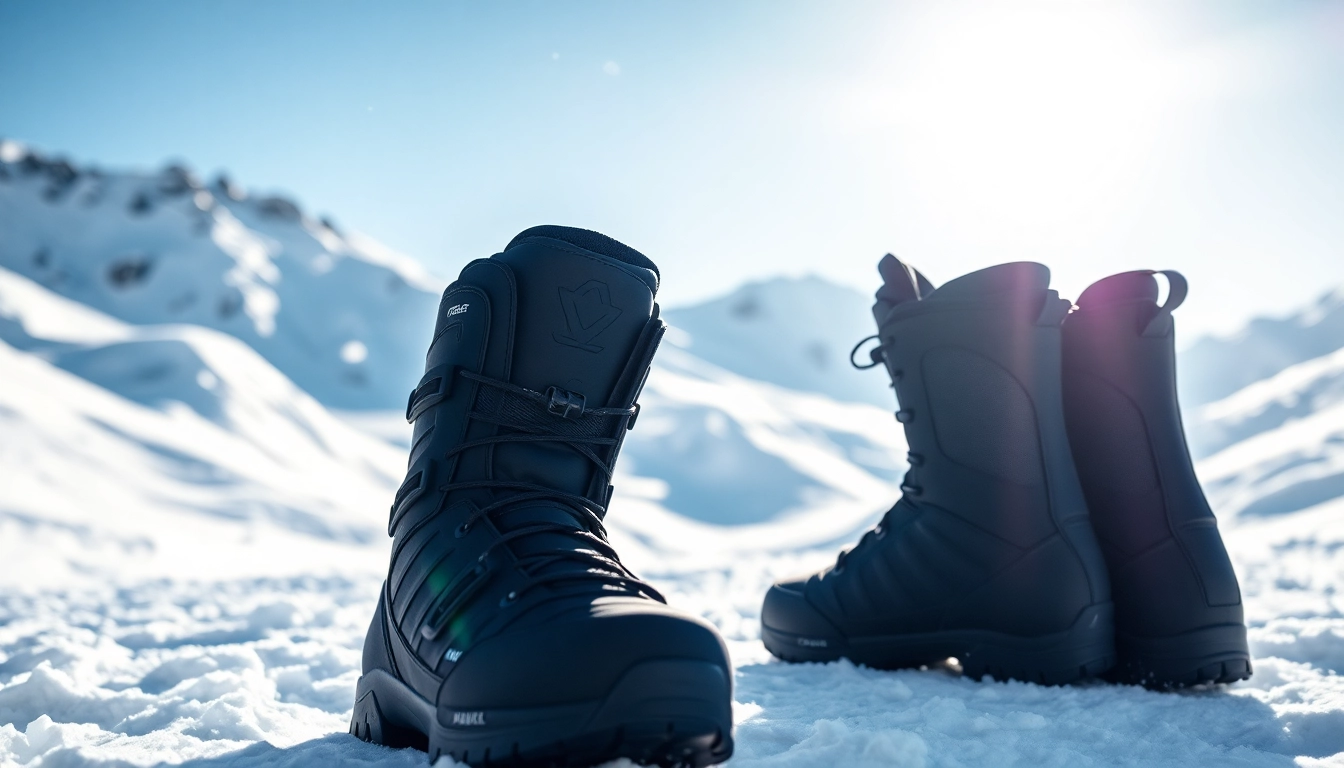
Understanding Snowboard Boots Types
When it comes to snowboarding, choosing the right gear is just as crucial as honing your skills on the slopes. Among the most important pieces of equipment are snowboard boots, which serve as the connection between you and your board. With so many options available, understanding the different types of snowboard boots is essential for maximizing your performance and comfort.
Soft vs. Stiff Snowboard Boots
Snowboard boots are categorized generally as soft and stiff. Soft boots are typically more flexible and forgiving, catering to riders looking for comfort and maximum board feel. These boots excel in freestyle and park riding, as they allow for better movement and easier landings. Conversely, stiff boots are designed for aggressive riding styles where support and control are paramount, making them ideal for all-mountain or backcountry snowboarding. Ultimately, the choice between soft and stiff boots often depends on individual riding preferences and style.
Freestyle, All-Mountain, and Backcountry Options
Snowboard boots come tailored for specific riding styles:
- Freestyle Boots: These are usually softer in flex, providing enhanced maneuverability which is perfect for tricks and jumps.
- All-Mountain Boots: Designed for versatility, they strike a balance between comfort and response, suitable for varied terrains.
- Backcountry Boots: Typically stiffer and more durable, these boots provide the support necessary for navigating rugged terrain and maintaining control during descents.
Customizable Features in Snowboard Boots
Many modern snowboard boots offer customizable features that enhance fit and performance. Options such as heat-moldable liners allow riders to adjust the inner boot to the specific shape of their foot, leading to a more comfortable and secure fit. Additionally, many boots come with adjustable footbeds and lacing systems to provide the best support based on personal riding style and foot shape. Riders should consider these features as they can significantly impact overall performance.
Finding the Right Fit
A proper fit is essential for maximizing performance in snowboard boots. An inadequate fit can lead to discomfort, reduced control, and even injury. Here’s how to find the perfect fit:
Size Measurements and Sizing Charts
First and foremost, it's important to measure your foot accurately. Use a foot measuring device or trace your foot's outline and measure the length and width. Most brands provide sizing charts that indicate how their boots fit in relation to foot measurements. Remember, sizes can vary between different brands, so it’s essential to check the specific sizing guides before making a purchase.
Adjustable Liners and Footbeds
Many snowboard boots now come with adjustable liners that can be molded or adjusted for a custom fit. These liners conform to your foot over time, improving comfort and support. Footbeds can also be adjusted or replaced with custom orthotic options to improve arch support, which can further enhance comfort during rides.
How to Ensure Maximum Comfort
To guarantee maximum comfort, try on your boots at the end of the day when your feet are slightly swollen. This ensures the fit you select is comfortable even under varying conditions. Buckle the boots tightly but not so tight that it cuts off circulation. While standing, your toes should just barely brush the front of the boot. Moving your ankle should allow a slight bend without excessive restriction.
Performance Features of Snowboard Boots
Besides fit, there are several performance features that riders should consider when choosing snowboard boots:
Insulation and Weather Resistance
Proper insulation in snowboard boots is vital for warmth and comfort on cold days. Look for boots with materials designed to trap heat effectively while also being moisture-wicking to keep your feet dry. Waterproof exteriors and sealed seams can significantly enhance weather resistance, making these features essential for riding in wet conditions.
Flex Ratings Explained
Flex ratings generally range from 1 (very soft) to 10 (very stiff), and selecting the right flex rating is crucial. Softer boots offer more movement and comfort, ideal for beginners and park riders, while stiffer boots provide quick response and control, suited for advanced riders tackling steeper slopes and challenging terrain. Choose based on your skill level and the primary types of runs you plan to ride.
Impact Protection Technology
Impact protection technology, such as reinforced areas in the construction of the boots, plays a vital role in minimizing injury during falls or jumps. Many high-quality snowboard boots incorporate shock-absorbing materials in the soles to reduce the impact on your feet and joints. Paying attention to these features can enhance durability and increase safety on the slopes.
Considering Your Riding Style
Your individual riding style greatly influences the type of snowboard boots you should choose. Here are some considerations:
Choosing Based on Skill Level
Beginners typically benefit from softer, more forgiving boots that provide comfort and ease of movement. Intermediate and advanced riders may opt for stiffer boots to enhance responsiveness and precision. Recognizing your skill level is integral in determining the appropriate boot flexibility to suit your riding needs and aspirations.
Boots for Different Terrain Types
Consider the terrain you primarily ride. If you're a park rider, softer boots can enhance freestyle performance. In contrast, for off-piste or backcountry riding, sturdier, more supportive boots are advisable for navigating obstacles and varying conditions. Choosing the right boots aligned with your terrain preferences will improve stability and control, ultimately enhancing your overall experience.
Aligning with Your Snowboarding Goals
Your long-term goals should also dictate your choice in snowboard boots. If you aim to compete in freestyle events, opting for boots that are lighter and provide a high level of flexibility can facilitate better tricks and jumps. Conversely, if your goal is to become an all-mountain expert, investing in a versatile pair of boots that can handle various conditions and terrain types is essential for progression.
Care and Maintenance for Snowboard Boots
Caring for your snowboard boots properly increases their lifespan and ensures maximum performance. Here are essential maintenance tips:
Cleaning and Drying Tips
After each session, wipe down your boots to remove grime and snow. Avoid using heat sources like hairdryers, as they can damage the materials. Instead, allow your boots to air dry in a cool, dry place. Use boot dryers if necessary to eliminate moisture effectively and prevent unwanted odors.
Storage Best Practices
Storing your snowboard boots properly can prevent warping and prolong their life. Keep them in a dry area, away from direct sunlight, to prevent the materials from degrading. It's advisable to remove the liners and insoles, allowing both the shell and liner to breathe and dry thoroughly.
Signs That It's Time to Replace Your Boots
Know when to replace worn-out boots. Common signs include discomfort during rides, visible wear and tear, loss of shape, or reduced performance. If you're regularly getting sore or blistered feet, or if the responsiveness seems diminished, it might be time to consider a new pair of snowboard boots.
Frequently Asked Questions
How much do snowboard boots typically cost?
Snowboard boots usually range from $100 to $300, depending on features and brand. Higher-end models can go up to $600 or more, for advanced technologies and materials.
What is the best way to break in new snowboard boots?
To break in new snowboard boots, wear them around the house and during shorter rides at the beginning of the season. This allows the materials to soften and conform to your feet over time.
How often should I replace my snowboard boots?
Replace your snowboard boots every 3-5 years, or sooner if you notice significant wear, reduced comfort, or performance issues. Regularly inspecting for damage is crucial.
Can I use snowboard boots for other winter sports?
While snowboard boots are designed specifically for snowboarding, they may not provide the necessary support or features for other winter sports like skiing. Use specific boots for optimal performance.
Are expensive snowboard boots worth it?
Higher-priced snowboard boots often come with better materials, improved comfort, and advanced performance features. If serious about snowboarding, investing in quality boots can significantly enhance your experience.