Understanding Metal Roofing
What is Metal Roofing?
Metal roofing is a category of roofing solution that comprises metal sheets or tiles. Renowned for its exceptional strength and long lifespan, metal roofing is rapidly becoming a popular choice for both residential and commercial buildings. Unlike traditional roofing materials, metal roofs are often made from various metals, including steel, aluminum, copper, and zinc, each offering distinct benefits. One noteworthy aspect of metal roofing is its ability to resist harsh weather conditions, providing a secure roof over your head regardless of the elements.
Types of Metal Roofing Materials
When considering metal roofing, it is essential to understand the various types of materials available, as each comes with its set of advantages:
- Steel: Often galvanized to resist rust, steel is one of the most common materials used in metal roofing. Its durability and strength make it a top choice for homes and commercial buildings alike.
- Aluminum: Lightweight and resistant to corrosion, aluminum roofing is ideal for coastal areas, where saltwater exposure can damage other materials.
- Copper: Known for its longevity and attractive appearance, copper develops a patina over time, adding to its aesthetic appeal. It can last over fifty years with proper maintenance.
- Zinc: Another long-lasting material, zinc exhibits self-healing properties, meaning that minor scratches are less visible as the material weathers.
Advantages of Metal Roofing
Opting for metal roofing provides numerous benefits that justify its initial investment:
- Durability: Metal roofs can withstand extreme conditions such as heavy snow, wind, and hail, often lasting over 50 years with minimal maintenance.
- Energy Efficiency: Reflecting solar heat, metal roofing can help keep your home cooler in summer, leading to lower energy costs.
- Environmental Impact: Many metal roofing materials are recyclable at the end of their lifespan, making them a more eco-friendly option compared to asphalt shingles.
- Fire Resistance: Metal roofing is non-combustible, providing an added layer of protection against fire hazards.
- Design Versatility: Available in various colors, styles, and finishes, metal roofing can complement any architectural design.
Cost Analysis of Metal Roofing
Initial Costs vs Long-Term Savings
The upfront cost of metal roofing can be higher than traditional materials such as asphalt shingles, ranging from $4 to $30 per square foot depending on the metal type and thickness. However, homeowners should consider long-term savings as metal roofs typically require less maintenance, fend off the need for frequent replacement, and can reduce energy expenses. This investment often pays off over the years through reduced repair costs and energy bills.
Factors Affecting Metal Roofing Prices
Several factors influence the price of metal roofing, including:
- Material Type: Premium materials like zinc and copper are more costly than standard steel options.
- Roofing Style: Standing seam roofs might cost more due to their complex installation requirements compared to corrugated panels.
- Labor Costs: Depending on local labor rates, installation costs can vary significantly. Regions with higher living costs will often have increased labor charges.
- Geographic Location: Shipping costs for materials can influence the final price, especially in remote areas.
Comparing Metal Roofing Costs to Alternatives
In contrast to metal roofs, traditional asphalt shingles can cost between $1 to $5 per square foot; however, they have a lifespan of only about 15-30 years. Evaluating the total cost of ownership over time reveals that metal roofing offers significant value for its longevity and resistance to the elements, making it a more cost-effective solution in the long run.
Installation Considerations for Metal Roofing
Choosing the Right Installer
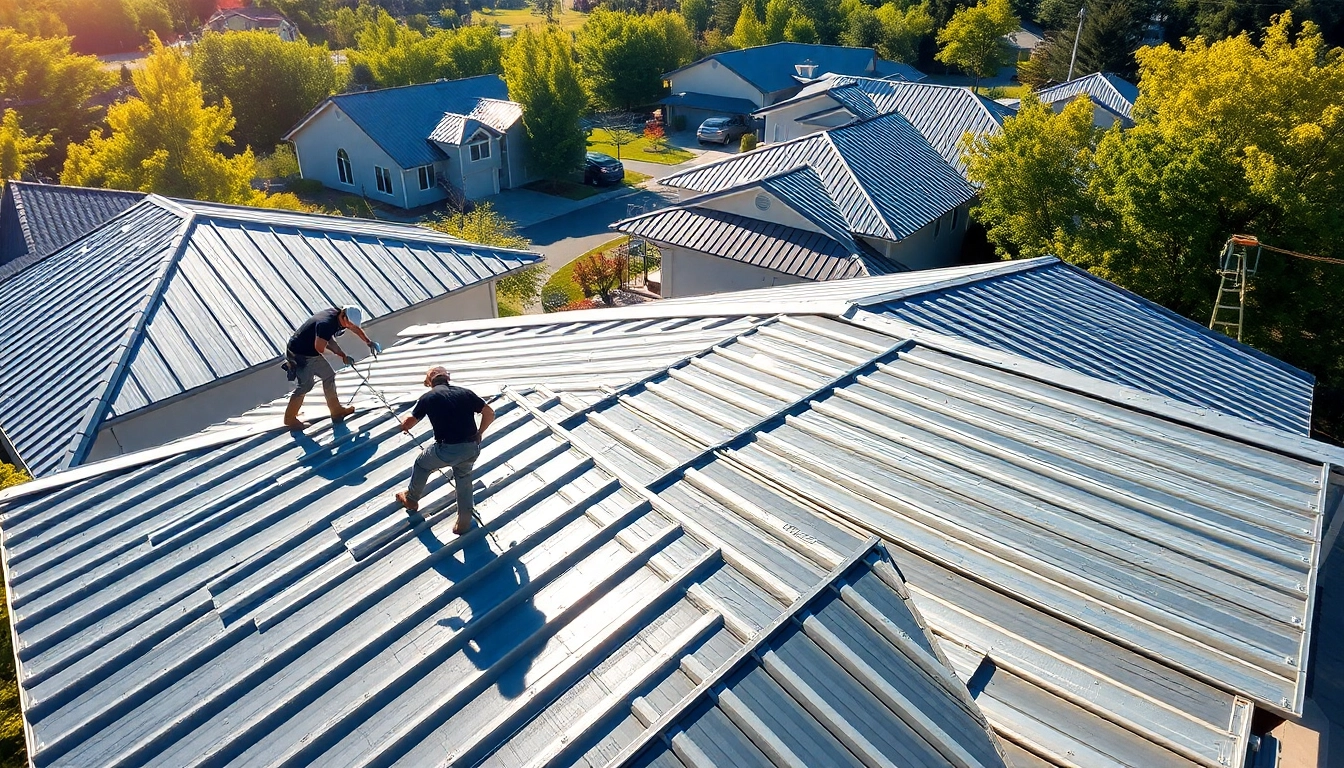
Proper installation is crucial for maximizing the benefits of your metal roofing. Selecting an experienced contractor who specializes in metal roofing will ensure compliance with local building codes and best practices for installation. Credentials, reviews, and previous projects should be thoroughly vetted to identify a suitable installer.
Preparation for Installation
Prior to installation, proper preparation is necessary. Homeowners should remove any old roofing materials and ensure that the roof deck is clean, dry, and structurally sound. The installer will need to measure the area accurately to provide an estimate and select the appropriate materials.
Common Installation Mistakes
Several common pitfalls can occur during the installation of metal roofing if not addressed:
- Poor Sealing: Ensuring seams and overlaps are sealed properly prevents leaks.
- Inadequate Ventilation: Proper ventilation is critical to avoid heat build-up and moisture issues under the roof.
- Using Wrong Fasteners: Choosing non-corrosive and appropriate fasteners helps prevent premature failure of the roofing system.
Maintenance and Care for Metal Roofing
Regular Inspection Practices
Although metal roofs require less maintenance than other roofing types, regular inspections are recommended. Homeowners should visually check for loose seams, rust, or any debris accumulation at least twice a year, especially after severe weather events.
Cleaning Tips for Longevity
To keep metal roofing in prime condition, periodic cleaning is essential. Use a gentle cleaner and a soft brush to remove dirt and stains. Avoid high-pressure washing, which can damage the roof and associated fixtures.
Dealing with Damage and Repairs
Even with durable metal roofing, damage can occur. If rust appears, it can often be sanded down and touched up with paint. For loose panels or screws, ensure they are secured immediately to prevent further damage. For significant repairs, hiring a professional is advisable to avoid exacerbating the issues.
Future Trends in Metal Roofing
Innovations in Metal Roofing Technology
The metal roofing industry is continually evolving with advancements in technology. Innovations include the development of solar-integrated metal roofs, which promote energy efficiency and sustainability. The emergence of energy-efficient coatings that enhance solar reflectance and improve insulation is also gaining traction.
Eco-Friendly Metal Roofing Options
Sustainability is becoming increasingly important in building materials. Many manufacturers are focused on eco-friendly practices, including using recycled materials in metal roofing. Additionally, the longevity of metal allows for reduced waste as fewer replacements are needed over time.
Emerging Design Trends
The aesthetic appeal of metal roofing is also on the rise, with more homeowners opting for unique finishes and colors that enhance curb appeal. From sleek industrial looks to traditional styles, metal roofs are adapting to various architectural designs, allowing for individual expression in residential properties.
FAQs about Metal Roofing
1. What are the pros and cons of metal roofing?
Pros include durability, energy efficiency, and long life. Cons may involve a higher initial cost and potential noise during rain. However, the benefits often outweigh the drawbacks.
2. How long will a metal roof last?
Metal roofs typically last 40 to 70 years, depending on the material and maintenance, making them one of the most durable roofing options available.
3. Is metal roofing noisy during rain or hail?
While metal roofing can generate noise during heavy rain or hail, proper insulation and underlayment significantly reduce sound, making it comparable to other roofing types.
4. Can I install metal roofing over existing shingles?
Yes, metal roofing can often be installed directly over existing shingles, which can save time and labor costs. However, the roof's structural integrity must be checked first.
5. What maintenance does a metal roof require?
Metal roofs require minimal maintenance. Regular inspections, cleaning debris, and checking for rust or damage are simple yet effective practices for extending the life of your roof.