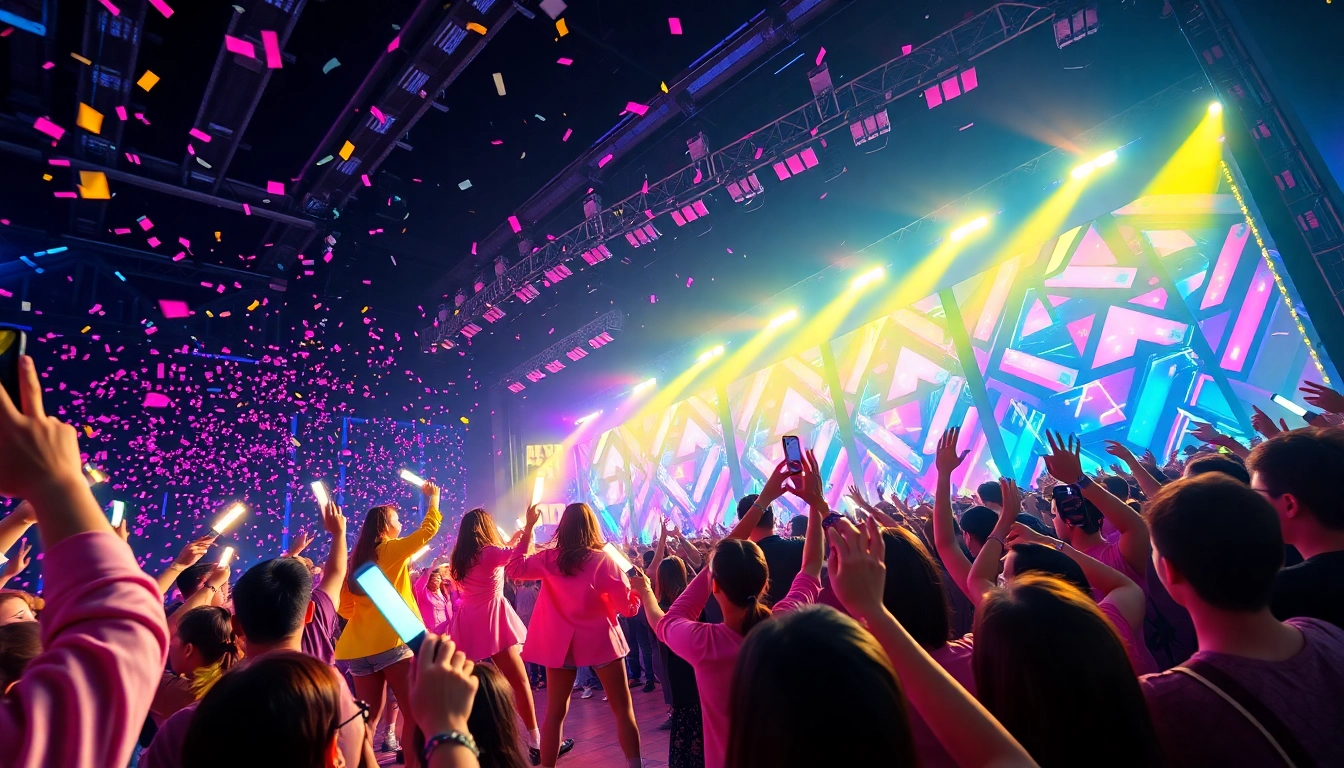
Understanding K-Pop: Origins and Evolution
Since its inception in the late 20th century, K-Pop has emerged as a cultural phenomenon that has transcended geographical boundaries. It represents a blend of various music genres, intricate choreography, and visual artistry that together captures the attention of millions worldwide. At the heart of this phenomenon lies a complex history influenced by cultural exchanges, technological advancements, and the evolution of the music industry. By delving into the origins and progression of K-Pop, we can better appreciate the intricacies that underlie its global success. For those keen to explore this vibrant culture further, a more detailed exploration can be found at https://www.kpopangel.com.
The Birth of K-Pop: A Cultural Phenomenon
The term "K-Pop" is an abbreviation for Korean Pop music, which originated in South Korea. Although various Korean music styles existed prior to the 1990s, K-Pop as a defined genre began to take shape with the debut of Seo Taiji and Boys in 1992. Their revolutionary incorporation of Western musical styles, particularly hip-hop and rock, laid the groundwork for a new era in Korean music. This group introduced not only a fresh sound but also a new approach to performance, combining music with elaborate staging and choreography. This cultural shift marked the beginning of the "Hallyu" or "Korean Wave," which denotes the global spread of Korean culture.
Key Influences in K-Pop's Development
As K-Pop evolved, various outside influences played pivotal roles in shaping its identity. American pop music, particularly the sound and style of artists like Michael Jackson and Madonna, significantly inspired early K-Pop artists. This influence extended beyond just music into fashion, choreography, and even marketing techniques. Moreover, South Korean television and film industries provided additional platforms for K-Pop artists to reach wider audiences. The ubiquity of the internet and social media also facilitated a rapid and expansive spread of K-Pop beyond South Korea, allowing fans globally to share and access content.
How K-Pop Evolved Through the Decades
The 2000s signified a transformative period for K-Pop, characterized by the formation of "idol groups," which comprised young artists who trained rigorously under entertainment agencies. These companies invested heavily in the grooming of talents, ensuring they possessed skills not only in singing and dancing but also in public relations and media appearances. By the late 2000s, groups like Super Junior and Girls' Generation became icons, bringing K-Pop into the global mainstream.
As technology progressed, the introduction of social media platforms allowed fans around the world to connect more intimately with their favorite artists, fostering a sense of community. The continued release of music videos that incorporated vibrant visuals and high production values further solidified K-Pop's identity, leading to its status as a cultural juggernaut. Today, K-Pop remains one of the most significant musical genres globally, still evolving and reshaping itself with each new generation of artists.
Characteristics of K-Pop Music and Aesthetics
K-Pop is renowned for its unique combination of catchy melodies, heavy beats, and diverse musical influences. However, the appeal of K-Pop transcends mere auditory experiences – it also encompasses rich visuals and intricate storytelling. Understanding the characteristics that set K-Pop apart from other genres is essential for grasping its widespread popularity.
Musical Elements: Genres and Trends
K-Pop merges a variety of genres, including hip-hop, EDM, R&B, rock, and more. This eclectic sound allows for continuous innovation and adaptation, keeping audiences engaged. One of the predominant trends in K-Pop is the use of hybrid sounds, where artists experiment with fusions of different musical styles. For instance, the incorporation of trap beats alongside traditional Korean instruments creates a unique listening experience that appeals to diverse audiences.
Production quality is also a hallmark of K-Pop music. Producers and songwriters focus on crafting unforgettable hooks and choruses, ensuring that songs remain memorable. Tracks often feature multiple key changes, tempo shifts, and layers of harmonies, showcasing the technical prowess of K-Pop producers. This meticulous attention to detail forms the backbone of K-Pop's catchy appeal.
Visual Storytelling: Fashion and Styling
The visual aspect of K-Pop is perhaps as important as the music itself. Fashion plays a central role in how idols express their personas, both on stage and off. Stylists work closely with artists to curate outfits that reflect current trends and cultural aesthetics. The blending of traditional Korean elements with contemporary styles often results in striking looks that capture attention.
The integration of visuals extends to music videos, which are renowned for their high production values and creative storytelling. Each video is designed to enhance the song's themes, often featuring intricate narrative arcs, fantasy elements, and elaborate sets. This commitment to visual storytelling not only elevates the musical experience but also reinforces the artists' brand identities.
The Role of Choreography in K-Pop
Choreography stands out as one of K-Pop's most captivating aspects. Each performance is meticulously crafted to create a dynamic synergy between music and movement. Choreographers work closely with idols to develop routines that reflect the song's energy while showcasing the performers' individual styles. This level of detail ensures that live performances feel immersive and captivating for audiences.
Dance is not only an art form in K-Pop; it's a means of storytelling. Iconic dance moves often become associated with specific songs, allowing fans to partake in the experience in a participatory manner. This fosters a deeper connection between idols and their fans, who enthusiastically learn the dances to feel closer to their favorite artists.
The Global Influence of K-Pop
K-Pop has emerged as a significant cultural force that extends well beyond South Korea. Its global influence has reshaped the music industry, fan interactions, and pop culture at large. The examination of K-Pop's impact highlights not just its popularity but also its role in fostering cultural exchange.
K-Pop's Impact on Western Music Industry
The rise of K-Pop has prompted an evolution in the global music industry, particularly in the West. Major labels are increasingly recognizing K-Pop's expansive reach and have begun to integrate K-Pop elements into their marketing strategies. Collaborations between Western artists and K-Pop idols are becoming more commonplace, further blurring the lines between genres. This fusion not only caters to diverse audiences but also provides a fresh sound palette that artists can draw from.
Moreover, K-Pop's integration into Western media has led to broader acceptance and appreciation of non-English music. English-speaking audiences now readily embrace songs in Korean, often learning the language out of a desire to connect deeper with the music. This phenomenon reflects a significant shift in how global music consumption is evolving.
Fan Culture: The Rise of Fandoms
The relationship between K-Pop artists and fans is characterized by intense loyalty and active engagement. K-Pop fandoms often transcend conventional artist-fan dynamics, evolving into communities that share common interests and passions. Fandoms are structured around specific groups or artists, with fans participating in organized activities such as streaming parties, fan art creation, and charity events.
Online platforms such as Twitter, TikTok, and Instagram have facilitated the rapid spread of fan culture, allowing fans to connect globally. These spaces foster a sense of belonging and encourage creative expression, whether through fan edits, cover dances, or even fan-written stories. This vibrant ecosystem solidifies the connection between the idols and their supporters, transforming mere fans into enthusiastic advocates for their favorite groups.
How K-Pop is Shaping Global Pop Culture
The impact of K-Pop on global pop culture is undeniable. Fashion trends, beauty standards, and even social behaviors are increasingly influenced by K-Pop artists. The unique aesthetic and styling choices made famous by idols have led to shifts in global beauty ideals, with many young people across the world aspiring to replicate K-Pop looks.
Furthermore, K-Pop's narrative themes often revolve around self-empowerment, love, friendship, and resilience, resonating with audiences universally. These messages pave the way for cross-cultural appreciation, encouraging dialogue surrounding issues such as mental health and self-expression. In this way, K-Pop serves as a conduit for cultural exchange and understanding across diverse communities.
Marketing and Promotion Strategies in K-Pop
The success of K-Pop cannot be attributed solely to its music and visuals; equally important are the innovative marketing strategies employed by entertainment agencies. These strategies reflect an understanding of contemporary consumer behavior and capitalize on emerging trends in digital marketing.
Innovative Social Media Strategies
Social media is at the forefront of K-Pop promotional strategies, serving as both a marketing tool and a platform for fan interactions. Agencies expertly navigate platforms like YouTube, Instagram, and TikTok to create teasers, behind-the-scenes content, and engaging challenges that resonate with fans. These platforms allow idols to cultivate their brands while maintaining direct communication with fans.
The advent of live streaming and interactive content has opened up new avenues for fan engagement. Events such as virtual concerts and Q&A sessions provide fans with unique opportunities to interact with their favorite idols, fostering deeper connections and loyalty. By leveraging algorithms to target specific audience segments, K-Pop agencies ensure that promotional content reaches the appropriate demographics, maximizing visibility.
Merchandising: Fan Engagement Approaches
Merchandising plays a pivotal role in enhancing fan engagement and generating revenue for K-Pop groups. Agencies develop an extensive range of products, including albums, apparel, lightsticks, and collectibles, enabling fans to connect with their favorite artists on a tangible level. The limited-edition nature of many items creates urgency among fans, driving purchases and bolstering brand loyalty.
Moreover, the introduction of “fan meetings” or events where fans can meet their idols has expanded beyond mere transactions, evolving into interactive experiences that further solidify the fan-artist bond. By utilizing fan input in product development, agencies are capable of catering to specific desires, further enhancing the overall fan experience.
The Role of Music Shows and Festivals
K-Pop's integration into music shows and festivals serves as a critical promotional strategy. Programs like "Music Bank" and "Show! Music Core" provide platforms for idols to perform live, garnering significant viewership and ensuring consistent exposure. These shows often utilize rankings determined by fan votes, further incentivizing engagement from the fanbase.
Festivals such as KCON bring together fans and artists from around the world, creating a unique convergence of music, culture, and community. These events bridge gaps between fans and idols while providing opportunities for fans to engage with one another and the broader K-Pop community.
Looking Ahead: The Future of K-Pop
The K-Pop landscape is continually evolving, with new trends and technologies shaping its future. As the industry adapts to changes in consumer behavior and technological advancements, the possibilities for K-Pop are virtually endless. Understanding these emerging trends can provide insights into the future trajectory of this mesmerizing phenomenon.
Emerging Trends in Music Production
The future of K-Pop music production lies in innovation and adaptability. As streaming services become the primary means of music consumption, the focus is shifting toward creating content that not only appeals to the current audience but also draws in new listeners. This evolution entails collaboration with international artists, exploring new musical styles, and embracing new digital technologies.
Moreover, the rise of virtual reality and augmented reality holds substantial potential for K-Pop. Future music videos and concerts may harness these technologies to create immersive experiences, allowing fans to interact with a virtual version of their favorite idols in ways previously unimagined.
Sustainability in the K-Pop Industry
As global consciousness around environmental issues grows, K-Pop is also beginning to address sustainability. More artists and agencies are recognizing their platforms' potential to promote eco-friendly practices. Initiatives may include environmentally conscious merchandise, promoting responsible consumption, and incorporating sustainability themes into music and performances.
This shift not only aligns with the values of a socially-aware fan base but also paves the way for a more sustainable future for an industry that thrives on consumerism.
Predictions for K-Pop's Continued Influence
As K-Pop continues to expand its global footprint, its influence on music and culture will likely persist and grow. The genre serves as more than just entertainment; it acts as a cultural bridge, promoting understanding and appreciation across different backgrounds. With technology continually advancing, K-Pop's engagement strategies will evolve, fostering deeper connections between artists and fans.
In conclusion, K-Pop’s future looks bright, driven by innovation, community engagement, and global interconnectedness. It remains compelling to witness how this cultural movement will unfold, potentially redefining the music industry and its relationship with audiences worldwide.