Understanding Full Car Detail: What It Entails
Defining Full Car Detail Services
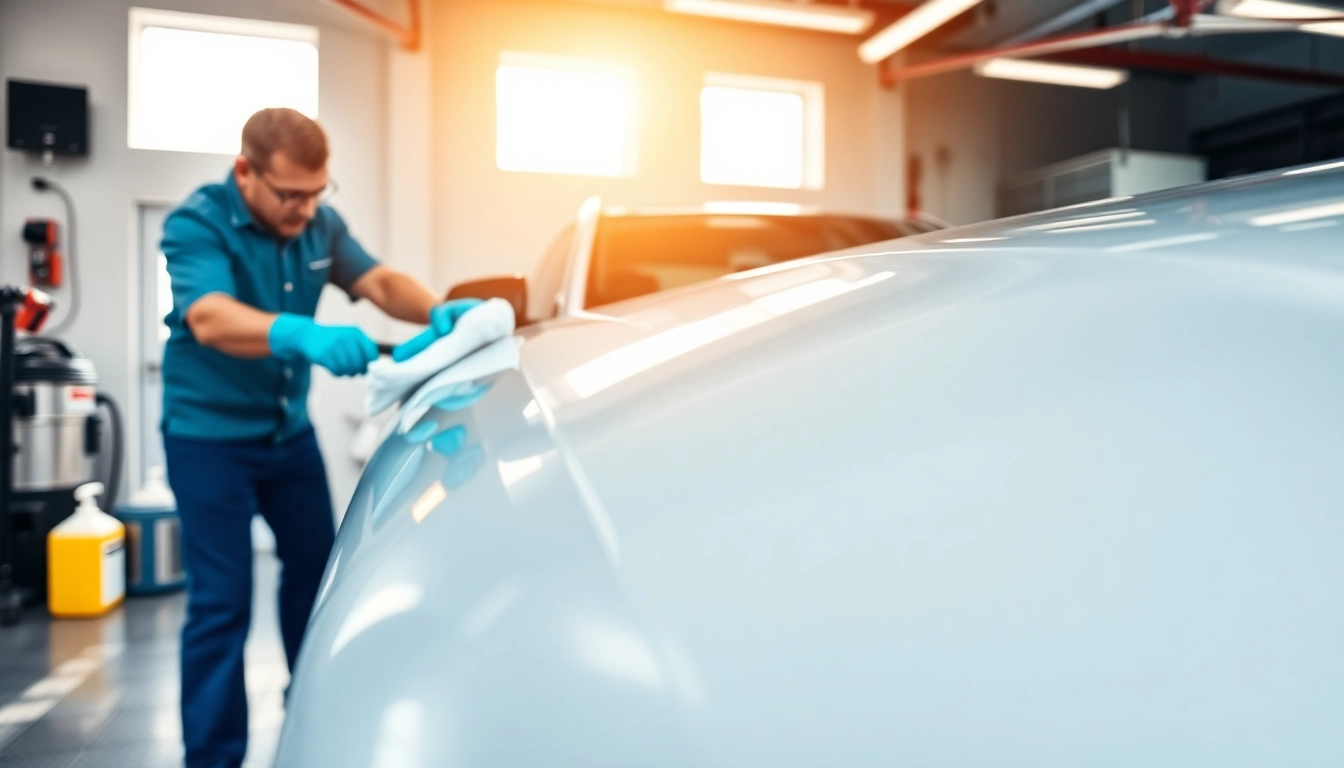
A full car detail is more than just a regular wash; it is an extensive cleaning, polishing, and protecting procedure that rejuvenates both the interior and exterior of your vehicle. This service typically includes a variety of tasks, aimed at restoring the vehicle’s appearance and maintaining its condition. Professionals employ specialized tools and high-quality products to carry out these services, ensuring that every nook and cranny of your vehicle is meticulously cleaned.
Common Benefits of Full Car Detail
Engaging in a full car detail can bring a multitude of benefits, including:
- Enhanced Aesthetic Appeal: A detailed vehicle looks pristine—clean paint, spotless interiors, and shining wheels.
- Improved Resale Value: Regular detailing can help maintain your car's value, making it more attractive to potential buyers.
- Protection Against Elements: A full detail includes waxing and sealing that protects your paint from harmful UV rays and environmental contaminants.
- Healthier Interior: Removing dirt, allergens, and bacteria contributes to a healthier driving environment.
- Increased Lifespan: Proper detailing helps to protect your investment over time, extending the life of your vehicle.
Frequency of Full Car Detail
The frequency of a full car detail varies based on individual usage and driving conditions. A general recommendation is every 4 to 6 months, although some might find it beneficial to do this more often, especially in areas with harsh weather or significant environmental exposure. Regular detailing keeps your vehicle in top shape and reduces the likelihood of long-term damage due to neglect.
Preparing Your Vehicle for Full Car Detail
Gathering Necessary Tools and Products
Before starting your full detail, having the right tools and products is essential. A well-rounded detail kit should include:
- Microfiber towels
- Quality car wash soap
- Detailing brushes
- Wax and sealant
- Vacuum cleaner with attachments
- Odor eliminators and upholstery shampoo
- Tire cleaner and dressing
Having these items on hand ensures a smoother detailing process, allowing for thorough execution of each task.
Cleaning Out Interior and Exterior
Before diving into the detailing process, it’s crucial to declutter and clean out both the interior and exterior of the vehicle. Remove all personal belongings, mats, and trash from the inside. For the exterior, give your car a quick rinse to remove loose dirt and debris, making the full detail process more effective.
Identifying Areas Requiring Special Attention
Some parts of your vehicle might need more focus during the detailing process. Common trouble areas include:
- Door jambs, which often accumulate dirt and grime
- Dashboard and console surfaces, prone to dust and fingerprints
- Wheel wells and tire areas, which can retain a lot of dirt, mud, and grime
- Engine bay, where dust and debris can collect, affecting performance
Identifying these areas in advance allows you to plan your detailing strategy effectively.
Steps to Perform a Full Car Detail
Exterior Washing and Drying Techniques
Start with the exterior, using a two-bucket wash method to avoid scratching the paint. One bucket holds soapy water, and the other holds clean water for rinsing your wash mitt. Wash from top to bottom, sections at a time, rinsing mitt frequently to minimize the transfer of dirt. After washing, dry the vehicle with a microfiber towel or a drying blade to prevent water spots.
Interior Cleaning Best Practices
For the interior, start by vacuuming all surfaces, including seats, carpets, and under the mats. Utilize detailing brushes to agitate dirt in tight spaces. Follow this by cleaning surfaces with appropriate interior cleaners, ensuring you treat leather, vinyl, and plastic differently to avoid marking or damage. Don’t forget to clean the windows using a glass cleaner for a streak-free finish.
Detailing Engine and Undercarriage
Although often overlooked, detailing the engine and undercarriage can play a crucial role in a full detail. Cover electrical components with plastic bags to protect them from water. Use a degreaser to clean visible dirt and grease, then rinse with a gentle spray. Allow everything to dry thoroughly after detailing, fostering ongoing performance reliability.
Maintaining Your Vehicle Post Full Car Detail
Recommended Maintenance Routines
Post-detail maintenance is essential to prolong the effects of your full car detail. Regularly wash your vehicle—ideally weekly—while applying quick detail products or waxes every month to keep the shine intact. Periodically check and clean the interior to prevent dirt from excessively accumulating.
Products for Ongoing Care
Investing in high-quality products can enhance your vehicle’s longevity. Some recommended ongoing care products include:
- Quick detailer sprays for maintaining shine
- Protective wax or sealant for ongoing surface protection
- Fabric and leather protection sprays to keep interiors looking fresh
Signs Your Car Needs Detailing Again
Be attentive to your vehicle's appearance and interior cleanliness. Signs that your car may need another detailing include:
- Faded paint or dull surfaces
- Visible dirt or spills in the interior
- Odors persisting despite regular cleaning
- Soiled or stained upholstery
Addressing these issues promptly ensures your vehicle remains in optimal condition.
Frequently Asked Questions About Full Car Detail
How long does a full car detail usually take?
A full car detail typically takes between 2 to 5 hours, depending on the vehicle's condition and detailer's experience.
What’s included in a full car detail?
A full car detail usually includes exterior washing, waxing, interior vacuuming, shampooing carpets, and engine cleaning.
Is full car detailing worth it?
Yes, full car detailing enhances appearance, protects surfaces, and can increase your vehicle's resale value significantly.
Can I perform a full car detail myself?
Yes, with the right tools and products, it's possible to achieve a decent full car detail at home, although professional service is often more thorough.
How often should I get my car fully detailed?
It's recommended to have a full car detail every 4 to 6 months, depending on your driving habits and environmental conditions.