
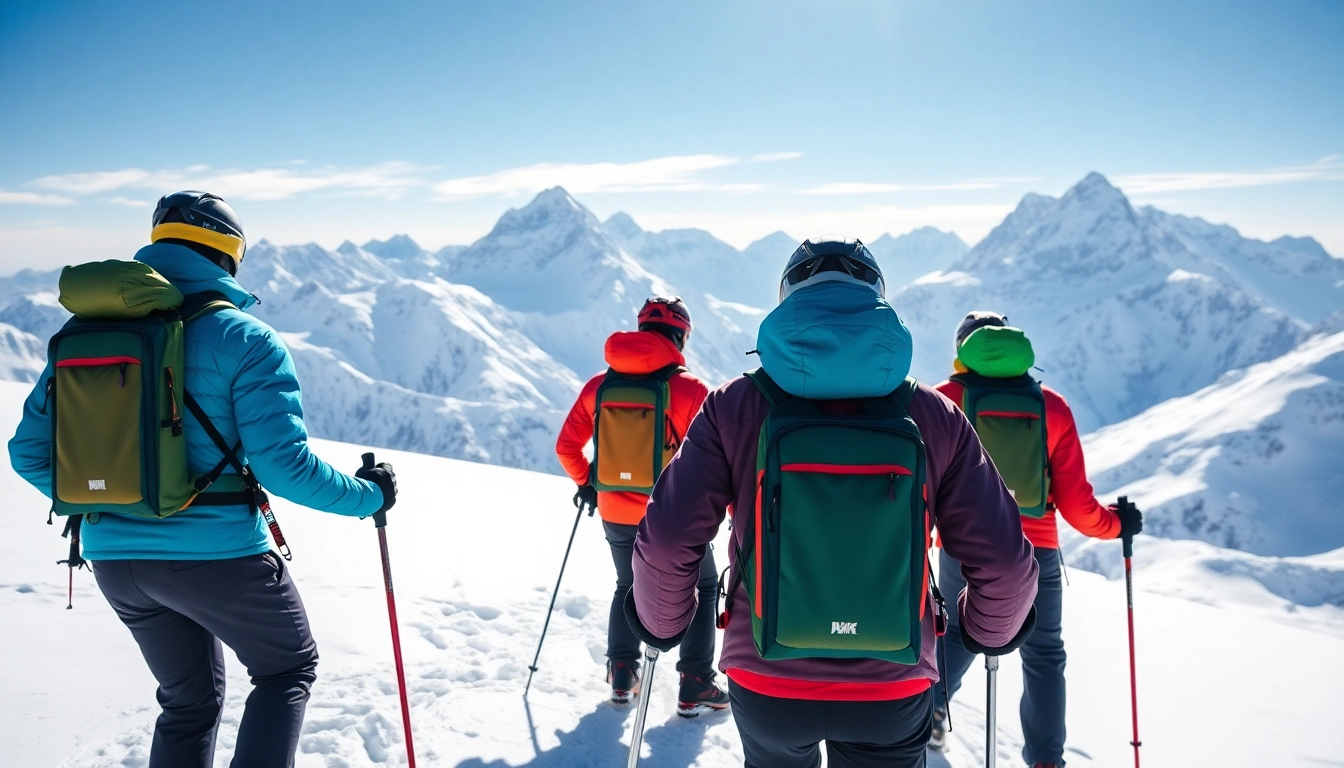
Understanding Backcountry Jacket Features
When it comes to backcountry skiing or snowboarding, the right jacket makes all the difference. These jackets are designed specifically for the unique challenges of the backcountry environment, where conditions can change rapidly. Selecting the best backcountry jackets for men and women is paramount, as they provide essential protection against the elements while ensuring comfort and mobility.
Essential Features of the Best Backcountry Jackets for Men and Women
The best backcountry jackets share several fundamental features that cater to the demands of outdoor adventurers:
- Waterproofing: High-quality jackets typically incorporate advanced waterproof technology that keeps the wearer dry in wet conditions. Look for jackets with certified waterproof ratings, such as GORE-TEX or similar materials.
- Breathability: Sweating is inevitable during physical activities, so a breathable jacket will allow moisture to escape, preventing overheating.
- Durability: Backcountry jackets must withstand abrasive conditions. Fabrics should be abrasion-resistant and stitched using durable construction techniques.
- Insulation: Depending on the conditions, jackets may either be insulated or uninsulated. A good balance of warmth and ventilation is essential for comfort during vigorous activities.
- Fit and Mobility: Jackets designed for backcountry use should offer a streamlined fit to minimize bulk but also allow for a full range of motion.
Comparing Shell vs. Insulated Options
When assessing backcountry jackets, it's critical to understand the differences between shell and insulated options:
- Shell Jackets: These are lightweight and primarily focus on providing weather protection. They are designed to be paired with insulating layers underneath, making them versatile for fluctuating temperatures and activities.
- Insulated Jackets: These jackets come with built-in insulation, making them ideal for cold conditions. However, they may not be as breathable, which can be a downside during high exertion.
Materials That Matter for Durability
Materials play a crucial role in the performance and longevity of backcountry jackets. Key materials to consider include:
- Nylon: Known for its durability and resistance to abrasion, nylon is a common fabric used in backcountry jackets.
- Polyester: Often used as a base layer, polyester is lightweight and quick-drying.
- GORE-TEX: This material is synonymous with waterproofing and breathability, making it a favorite choice among backcountry enthusiasts.
- PUL: Polyurethane-laminated fabrics offer excellent waterproof qualities, typically at a lower price point than GORE-TEX alternatives.
Top Picks for Men
Feature-Rich Options for Performance
For men seeking high-performance backcountry jackets, several feature-rich options cater to diverse needs:
- Breathability Features: Look for jackets with robust ventilation options such as pit zips, which allow airflow when needed.
- Pockets: Adequate storage is essential for carrying small essentials. Consider jackets with multiple, easily accessible pockets.
- Adjustable Features: Jackets with adjustable hoods, cuffs, and hems can be tailored to fit securely, minimizing exposure to the elements.
Affordability Without Compromise
Choosing a backcountry jacket doesn't have to break the bank. Several brands offer excellent quality jackets without exorbitant prices. These options often compromise on less critical features, making them accessible for budget-conscious adventurers.
Reviews and User Feedback
Feedback from fellow outdoor enthusiasts can provide valuable insights into how jackets perform in real-world conditions. Online platforms often feature reviews that cover durability, comfort, and effectiveness in various weather scenarios.
Top Picks for Women
Performance and Fit Considerations
Women's backcountry jackets are no longer relegated to mere aesthetics. Performance and fit are now just as important:
- Tailored Fit: Women's jackets should offer a fit that aligns with body contours, featuring feminine cut designs for enhanced comfort.
- Versatility: Look for jackets that can transition from skiing to casual wear without sacrificing performance.
Stylish Yet Functional Choices
Women now have the advantage of selecting from various stylish yet functional jackets. These options prioritize both performance and aesthetics, proving that you don't have to sacrifice looks for functionality.
User Experiences and Reviews
First-hand experiences from female users can provide insight into how well jackets perform in challenging conditions. Many reviews focus on ease of movement, comfort during extended wear, and unique features that make certain models stand out.
Maintaining Your Backcountry Jacket
Cleaning and Care Tips
Proper maintenance can extend the life of your jacket significantly. Follow these essential care tips:
- Wash with Care: Use a gentle detergent and avoid fabric softeners, which can negate water-repellent properties.
- Drying: Follow specific instructions from the manufacturer regarding drying, as some fabrics require air drying while others can be tumble dried at low heat.
- Reproofing: Periodically reapply water-repellent treatments to maintain the jacket's effectiveness against moisture.
Storage Best Practices
How you store your jacket matters. Ensure it’s cleaned and fully dry before storing in a cool, dry place. Avoid compressing it for long periods, as this can damage insulation and waterproofing.
Signs You Need a Replacement
Recognizing when it’s time to replace your jacket is crucial. Look for:
- Visible wear and tear, including holes or frayed seams.
- Loss of waterproofing, which can be tested by pouring water on the fabric to see if it beads up or absorbs.
- A decrease in breathability, making activities uncomfortable.
FAQs About Backcountry Jackets
What kind of jacket is best for backcountry skiing?
The ideal backcountry skiing jacket balances waterproofing, breathability, and insulation, depending on the temperature. A lightweight, breathable shell is often recommended for dynamic activities.
How do I choose the right size for my backcountry jacket?
Selecting the correct size requires considering both layering and mobility. Look for jackets with adjustable features and ensure you can comfortably wear insulating layers underneath.
Can I use a regular ski jacket for backcountry skiing?
While regular ski jackets can work, they may lack the breathability and lightweight features necessary for backcountry conditions. It's better to opt for jackets designed specifically for backcountry use.
What features should I look for in a backcountry jacket?
Look for waterproof materials, breathability, durability, a good fit, and features like vents and adjustable hems. Pockets for storage are also a plus for long excursions.
How often should I replace my backcountry jacket?
Replace your jacket when you notice significant wear, loss of waterproofing, or discomfort during use. Depending on usage, this could range from every few seasons to annually.