
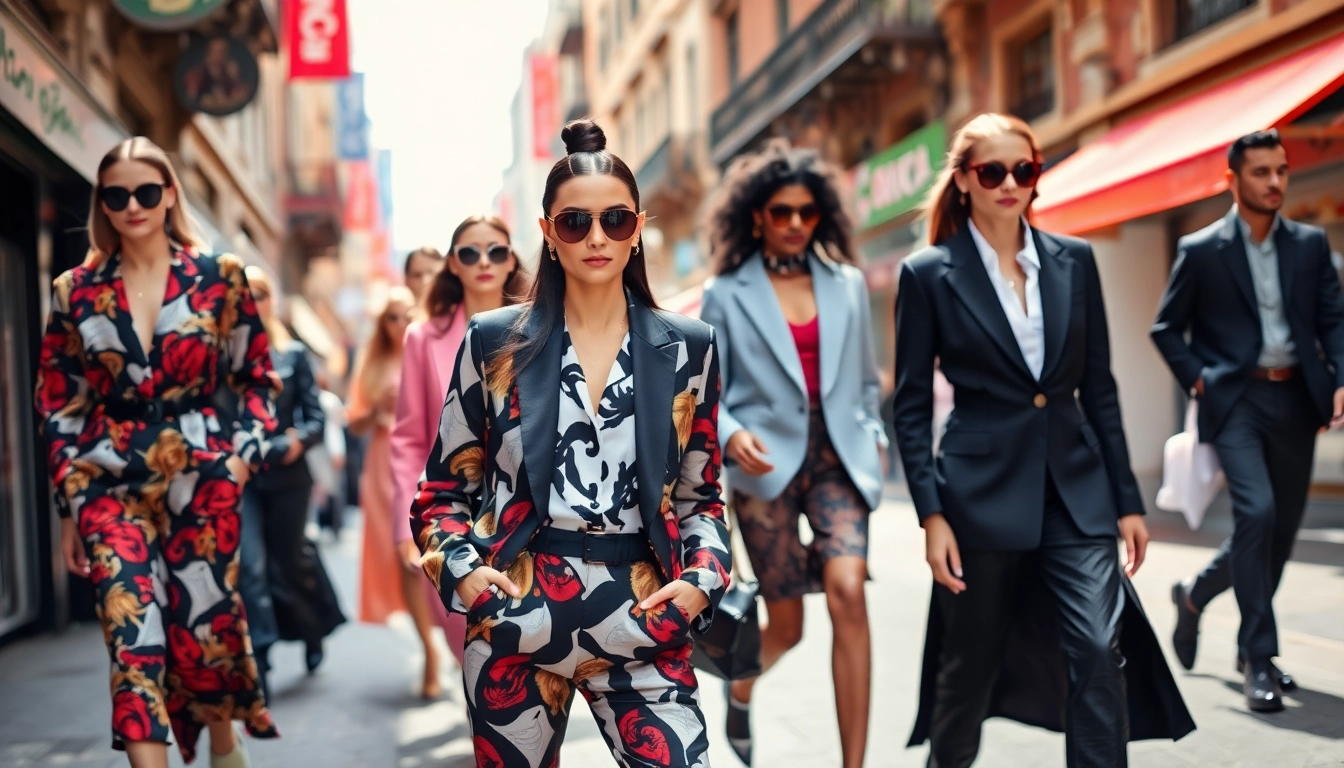
Understanding Fashion Basics
Fashion is not just about clothing; it’s a complex tapestry of expression, cultural significance, and aesthetics. The term encompasses a vast array of elements, influencing how individuals present themselves and how society perceives these presentations. To navigate this vibrant world, it’s essential to grasp the basics of what fashion truly means, the key components that define it, and the cultural nuances that affect its evolution.
What is Fashion?
The concept of Fashion is derived from the Latin word ‘facere’, meaning ‘to make’. It describes the creation and implementation of clothing, accessories, and various adornments that convey specific aesthetics, values, and identities. Fashion serves as a mirror of personal and societal evolution, representing not merely styles or trends but also cultural narratives and social commentary. Throughout history, it has showcased transformations in society, ideology, and economy, revealing underlying power structures and moral dilemmas.
Key Elements of Fashion
Fashion comprises several key elements that work cohesively to communicate style. The most essential components include:
- Silhouette: The outline of garments contributing to the overall appearance.
- Color Palette: The selection of colors used in a fashion piece that can evoke emotions and set trends.
- Texture: The surface quality of the fabric which adds depth to the attire.
- Prints/Patterns: The design elements that can define a piece from floral to geometric.
- Proportion and Fit: The relationship between different garment parts and how they adjust to the body shape.
The Role of Culture in Fashion
Culture significantly shapes fashion, with traditions, values, and historical contexts influencing trends and styles. Different cultures produce distinct aesthetics based on varied climatic conditions, resources, and societal roles. For instance, traditional garments often reflect craftsmanship and heritage, while contemporary fashion may challenge cultural norms, offering provocative narratives and blending multiple influences. It is this intersection of cultural dialogue and sartorial expression that gives rise to diverse fashion landscapes.
Exploring Fashion Trends
Trends in fashion are ever-evolving, with seasonal changes and socio-economic shifts guiding what’s in vogue. Understanding current and timeless trends is vital not only for personal wardrobe choices but also for comprehending larger fashion cycles and consumer behavior.
Current Fashion Trends to Follow
As of now, several trends dominate the fashion landscape:
- Oversized Silhouettes: Garments that provide comfort while making bold statements.
- Bright Colors: Vivid shades break the monotony, promoting joy and optimism.
- Sustainable Materials: Eco-friendly fabrics that align with increasing consumer awareness about climate change.
- Utility Fashion: Practicality combined with style, featuring utility pockets and functional designs.
- Retro Aesthetics: Nostalgic elements from past decades are being reinvented for modern wear.
Timeless Fashion Pieces
While trends come and go, some fashion staples remain ever-relevant. Investing in these timeless pieces can elevate a wardrobe and provide a solid foundation for any outfit:
- The Little Black Dress: A versatile staple for various occasions.
- Classic Denim Jacket: Perfect for layering and adding a casual touch.
- White Button-Up Shirt: Timeless and suitable for professional or casual settings.
- Tailored Blazer: A chic addition that instantly polishes any outfit.
- Leather Boots: Durable and stylish footwear that transcends seasons.
Seasonal Fashion Trends
Fashion trends can also be categorized by seasons, with specific styles emerging as favorites during spring, summer, autumn, and winter. For example:
- Spring: Floral prints and light fabrics dominate the landscape.
- Summer: Bright colors and breathable materials make their mark.
- Autumn: Layering comes into play with earth tones and heavier fabrics.
- Winter: Cozy knitwear and statement outerwear become essentials.
Building Your Personal Fashion Style
Establishing a personal fashion style is a journey of self-expression and creativity. It allows individuals to reflect their unique identities through the choices they make in their clothing and accessories.
Identifying Your Style!
To discover your style, take time for self-reflection. Consider your lifestyle, inspirations, and what resonates with you personally. Identify clothing that makes you feel confident and at ease:
- Investigate different fashion icons to see what elements appeal to you.
- Create a mood board or collection of images that speak to your aesthetic preferences.
- Experiment with various styles to narrow down what feels most authentic to you.
Mixing and Matching Outfits
Mixing and matching pieces effectively can create dynamic, layered outfits. A few strategies to consider include:
- Pairing Basics with Statement Pieces: This approach balances simplicity and drama.
- Playing with Textures: Combine fabrics like leather, cotton, and denim for a tactile experience.
- Color Coordination: Creating outfits around a color scheme can lend cohesion.
- Layering Creatively: Use light layers to add versatility for temperature changes and visual interest.
Accessorizing for Impact
Accessories play a pivotal role in defining style. They can enhance a look or alter its direction completely. Key accessories to consider include:
- Statement Jewelry: Bold pieces can serve as conversation starters.
- Scarves: A versatile accessory that adds visual appeal and warmth.
- Bags: Not only functional but also a substantial part of personal style.
- Belts: They can define the waist and elevate the overall aesthetic.
- Hats: An excellent way to add flair and individuality.
Fashion Sustainability
The discourse surrounding fashion is rapidly evolving to embrace sustainability. As consumers grow increasingly conscious of their impact on the environment, the push for sustainable practices becomes imperative.
Why Sustainable Fashion Matters
Sustainable fashion is concerned with producing clothing that is environmentally friendly and socially responsible. The fashion industry has been a significant contributor to waste, pollution, and exploitation. By prioritizing sustainability, the aim is to:
- Reduce waste through recycling and upcycling.
- Support ethical labor practices ensuring fair pay and working conditions.
- Utilize materials that have minimal environmental impact.
- Encourage consumers to invest in Quality over Quantity.
How to Build a Sustainable Wardrobe
Creating a sustainable wardrobe requires thoughtful decision-making. Here are actionable steps to guide you:
- Invest in high-quality pieces that endure through trends.
- Opt for second-hand clothing to reduce new production.
- Choose brands that are transparent about their sourcing and production processes.
- Practice mindful buying by assessing necessity before purchase.
- Learn basic repair and care techniques to extend the life of your garments.
Brands Committed to Sustainability
A multitude of brands are emerging with a commitment to social and environmental responsibility. These revolutionary companies lean towards sustainable practices, which may include using organic materials, ethical production methods, and innovative recycling techniques, providing various choices for stylish and conscious consumers alike.
FAQs about Fashion
How can I define my personal fashion style?
Define your style by reflecting on your preferences, lifestyle, and inspirations. Compile images and experiment with various looks to discover what resonates with you.
What are the latest fashion trends this season?
This season highlights oversized silhouettes, vibrant colors, and sustainable materials, as well as bold patterns and sophisticated layering techniques in outfits.
How important are accessories in fashion?
Accessories elevate outfits and add personality. They can transform a simple look into a stylish statement and are essential for expressing individual style.
What is sustainable fashion?
Sustainable fashion focuses on eco-friendly practices and ethical labor, aiming to reduce the negative environmental and social impacts of the fashion industry.
How can I mix and match outfits effectively?
Mixing and matching involves pairing basics with standout pieces. Experiment with textures and colors to create looks that express your unique style and flair.