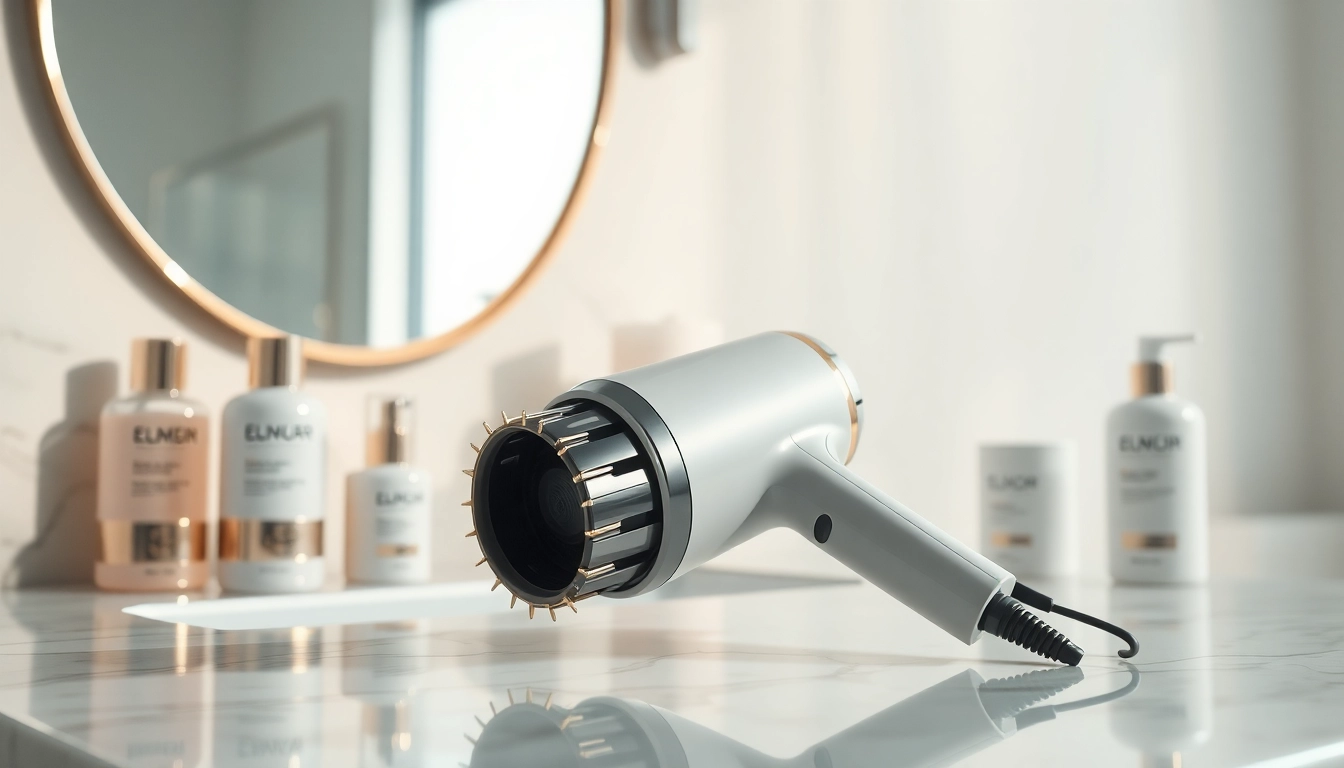
The Science Behind Frizzy Hair
Understanding Frizz and Its Causes
Frizz is a common concern for individuals with wavy, curly, or coarse hair. It occurs when the outer layer of the hair, known as the cuticle, becomes damaged or raised, allowing moisture to enter and swell the hair shaft. This unhealthy state can result from various factors such as environmental conditions, hair care practices, and individual hair characteristics. Chemical treatments, heat styling, and lack of hydration contribute significantly to frizz, creating an ongoing battle for many.
The Role of Humidity in Hair Texture
Humidity plays a crucial role in how our hair behaves. High humidity environments cause hair to absorb moisture from the air, leading to swelling and frizzing. This is particularly problematic for those with textured or porous hair types that are more susceptible to moisture absorption. Understanding this relationship helps in selecting appropriate hair care practices and tools, such as a Frizzy hair dryer, which can mitigate humidity's effects by applying consistent heat and helping to seal the cuticle.
How Hair Dryers Affect Frizz Levels
The type of hair dryer you use can significantly influence the level of frizz in your hair. Traditional dryers often produce hotspots leading to uneven drying, which can exacerbate frizz by damaging the cuticle. In contrast, advanced technologies such as ionic and ceramic dryers distribute heat more evenly and help to lock in moisture, reducing the chances of frizz. The right technique in hair drying can also play a role in minimizing frizz-enhancing factors.
Choosing the Right Frizzy Hair Dryer
Key Features to Look For
When selecting a frizzy hair dryer, key features to consider include wattage, heat settings, and nozzle design. Higher wattage dryers typically dry hair faster and more efficiently, while multiple heat settings allow for greater styling control, accommodating different hair types. Additionally, a concentrator nozzle helps direct airflow precisely, further reducing drying time and controlling frizz.
Comparing Technologies: Ionic vs. Ceramic Dryers
Ionic and ceramic technologies each offer unique benefits for combating frizz. Ionic hair dryers emit negatively charged ions that break down water molecules and eliminate static electricity, allowing the hair to dry more quickly while maintaining moisture. Ceramic dryers, on the other hand, distribute heat evenly, preventing hot spots and minimizing damage. Many modern dryers combine both technologies for optimal results, making them effective choices for anyone struggling with frizz.
Budget-Friendly vs. Premium Options
When it comes to hair dryers, investments can vary greatly. Budget-friendly options may suffice for casual users, typically offering basic features and average performance. However, premium options often come packed with advanced technologies and features that can make a noticeable difference in frizz control and overall hair health. Evaluating your hair type, usage frequency, and specific needs can guide you toward the right decision.
Techniques for Using a Frizzy Hair Dryer
Step-by-Step Drying Guide
1. Start with clean, towel-dried hair to remove excess moisture. 2. Apply a heat protectant product to shield hair from damage. 3. Section hair into manageable parts to ensure even drying. 4. Use the concentrator nozzle attachment to focus heat on individual sections, moving the dryer from root to tip. 5. Use a round brush to style while drying for added smoothness. 6. Finish off with a cool shot setting to help close the cuticle and lock in moisture.
Combining with Hair Care Products
Pairing your drying technique with the right hair care products is critical for achieving low-frizz results. Use a leave-in conditioner or anti-frizz serum prior to drying to hydrate and protect your hair. Oils rich in argan or jojoba can provide additional moisture, making hair more manageable. Experiment with various formulations to determine what works best for your hair type.
Avoiding Common Mistakes
Many people unknowingly exacerbate frizz through common mistakes. Avoid over-drying hair, as this leads to damage and increased frizz. Using excessive heat without proper protection can also ruin the hair shaft. Lastly, drying hair in rough, chaotic motions can lead to tangling and disrupt smoothness, so always aim for a gentle, controlled approach.
Maintaining Healthy Hair with a Frizzy Hair Dryer
Daily Care Tips to Reduce Frizz
To keep frizz at bay, maintain a consistent hair care routine. Incorporate hydrating shampoos and conditioners designed for frizz control, and avoid washing hair too frequently, as this strips natural oils. Additionally, consider reducing the use of heat styling tools outside the dryer. Embrace air drying when possible and opt for protective hairstyles whenever possible.
Recommended Hair Oils and Serums
Integrating quality hair oils and serums into your routine is essential for frizz control. Look for products that contain silicone or natural oils like coconut, argan, or olive oil. These ingredients coat the hair to lock in moisture and provide a protective barrier against humidity. Regular application can yield improved hair texture and frizz reduction over time.
Regular Maintenance for Your Hair Dryer
Your frizzy hair dryer requires care to maintain optimal performance. Regularly clean the filter to prevent lint build-up, as this can reduce airflow and efficiency. Every few months, inspect the cord and body of the dryer for any signs of damage. Taking care of your dryer not only enhances its lifespan but also ensures that it continues to work effectively in minimizing frizz.
Frequently Asked Questions about Frizzy Hair Dryers
What is the best hair dryer for frizzy hair?
The best hair dryer for frizzy hair is typically one that utilizes ionic or ceramic technology, providing even heat distribution and moisture retention.
How can I prevent frizz while drying?
To prevent frizz, always use a heat protectant, dry hair with sections using the concentrator nozzle, and finish with a cool blast to seal cuticles.
Are expensive hair dryers worth it?
Expensive hair dryers can offer superior technology and features that enhance drying efficiency, reduce damage, and minimize frizz, making them worth the investment.
Can a frizzy hair dryer harm my hair?
Using a low-quality or improperly used hair dryer can lead to overheating and damage. It's essential to use a dryer with appropriate technology and protectants.
How often should I clean my hair dryer?
Clean your hair dryer regularly, ideally every few weeks, to maintain optimal performance. Also, check for lint and debris in the filter.