The Importance of Mould Temperature Control in Manufacturing
In the fast-paced and ever-evolving world of industrial manufacturing, precision is paramount. A key element in achieving that precision is effective mould temperature control. By maintaining optimal temperatures throughout the moulding process, manufacturers can minimize defects, reduce dimensional errors, and enhance product quality. The advancements in technology have led to the development of innovative solutions such as the Mould Temperature Controller, specifically designed to meet the demands of modern production environments.
Understanding Mould Temperature Controllers
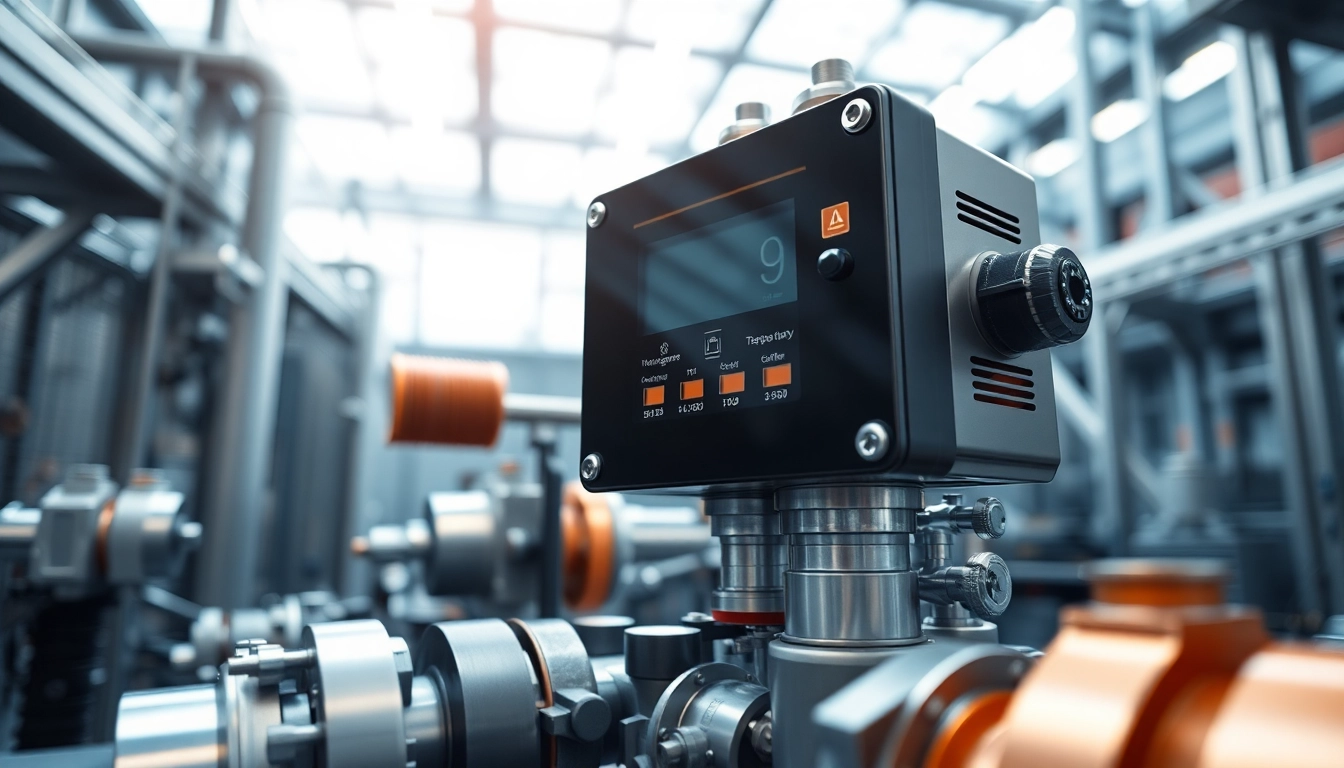
Mould temperature controllers are specialized equipment used to regulate and maintain the temperature of moulds during the injection moulding process. These systems ensure that the temperatures remain within desired levels, ultimately contributing to consistent product quality. Traditional methods often involve manual adjustments and can be inefficient, leading to longer cycle times and increased energy consumption.
The emergence of advanced mould temperature controllers, particularly the fourth-generation units, has revolutionized this aspect of manufacturing. Equipped with cutting-edge features like PID control algorithms, fast cooling capabilities, and durable components, these systems offer enhanced performance and reliability compared to their predecessors.
Key Benefits of Efficient Temperature Management
- Improved Product Quality: Controlling the temperature accurately results in better surface finishes, dimensional accuracy, and overall product integrity.
- Reduced Cycle Times: Efficient mould temperature management can significantly shorten the time required for heating and cooling, allowing for faster production rates.
- Lower Defects: With stable temperature control, the incidence of defects such as warping and incomplete filling is minimized, enhancing yield rates.
- Energy Efficiency: Advanced mould temperature controllers optimize energy use, helping to reduce operational costs and environmental impact.
Impact on Product Quality and Yield
As manufacturing processes become more complex, the ability to maintain precise temperature control directly correlates with product quality. Fluctuations in temperature can lead to variations in the material properties of the final product, resulting in inconsistencies that might require costly rework or lead to product failure. By investing in a reliable mould temperature controller, manufacturers can safeguard against these risks and ensure a high level of quality in their output.
Features of the Fourth-Generation Mould Temperature Controller
Topstar's fourth-generation mould temperature controller integrates several advanced features designed to enhance efficiency and accuracy in industrial manufacturing. These features not only meet but exceed the expectations set by traditional models, thereby setting a new standard in the industry.
Advanced PID Temperature Control Algorithm
The heart of modern mould temperature controllers lies in their ability to maintain consistent temperatures. The fourth-generation controller utilizes a PID (Proportional-Integral-Derivative) control algorithm, which allows for real-time adjustments to heating and cooling processes. This results in a temperature control accuracy of ±0.1℃, ensuring uniformity throughout the mould.
Fast Cooling and Heating Capabilities
One of the standout features of this controller is its fast cooling and heating capabilities. Traditional mould replacement processes can take hours due to the need for complete cooldowns. However, the fourth-generation model can reduce the temperature of the mould in about 10 minutes using forced cooling techniques. This feature not only decreases downtime but also enhances overall production efficiency by allowing for quicker mould changes.
Durability of Components and Longevity
The construction materials of mould temperature controllers are vital for their performance and lifespan. The fourth-generation unit uses a newly upgraded copper heater, which is resistant to scaling and reduces the adhesion of impurities, thus extending the service life of the unit by approximately 40%. The innovative design also allows for functionality even in poor water quality conditions, addressing a common pain point in manufacturing environments.
Installation and Maintenance Best Practices
To maximize the benefits of a mould temperature controller, proper installation and maintenance are critical. Following best practices not only ensures optimal performance but also extends the lifecycle of the equipment.
Setting Up Your Mould Temperature Controller
Installation should be performed by qualified personnel to ensure adherence to all specifications and safety standards. Proper placement relative to the mould and consistent water quality supply are essential for effective operation. Users should refer to the manufacturer's manual for specific installation guidelines, as setup can vary between models.
Regular Maintenance for Optimal Performance
Regular maintenance is key to avoiding unexpected breakdowns and ensuring longevity. This includes:
- Routine inspections of electrical connections and components.
- Regular cleaning of filters to prevent blockages.
- Checking the calibration of temperature sensors to ensure accuracy.
- Monitoring fluid levels and quality to prevent corrosion and buildup.
Common Issues and Troubleshooting Techniques
Even with proper maintenance, issues may arise. Common problems include temperature fluctuations, poor heating or cooling efficiency, and leaks. Troubleshooting should start with checking the power supply, ensuring all sensors are calibrated correctly, and examining the pump for blockages.
Comparing Mould Temperature Controllers: A Market Overview
The market is saturated with various mould temperature controllers, each offering unique features and capabilities. When choosing the right one, it is essential to consider specific manufacturing needs, technological capabilities, and budget constraints.
Competitor Analysis and Insights
Top competitors in the mould temperature controller market include IMS Company, Regloplas, and WITTMANN Group. Each offers varying degrees of customization, energy efficiency, and user-friendliness. A detailed comparison should focus on key aspects such as technological advancements, customer feedback, and after-sales support to determine the best fit for your manufacturing operations.
Choosing the Right Controller for Your Needs
When evaluating mould temperature controllers, factors to consider include:
- Temperature range and control accuracy.
- Speed of heating and cooling cycles.
- Durability and material quality.
- Ease of use and automation capabilities.
Cost Considerations and ROI
The initial investment in a high-quality mould temperature controller can seem significant, but the long-term savings in energy costs and increased productivity often justify the expense. Businesses should consider the return on investment (ROI) based on reduced cycle times and improved product yield.
Future Trends in Mould Temperature Control Technology
As technology continues to evolve, the mould temperature control industry is expected to witness several innovative trends that will reshape operational approaches in manufacturing.
Innovations Expected by 2025
Future developments will likely include enhanced integration of artificial intelligence and machine learning algorithms to predict temperature changes and optimize control processes automatically. These innovations will enable manufacturers to achieve even greater efficiency and precision.
Adapting to Changing Industry Standards
With increasing pressure to meet environmental and safety standards, mould temperature controllers will need to incorporate energy-efficient designs and components. Compliance with regulations not only enhances a company's reputation but also reduces operational risks.
Integrating Smart Technologies into Manufacturing
The integration of IoT (Internet of Things) technology will enable real-time monitoring and data analysis of mould temperature controllers. This advancement will allow for proactive maintenance, ensuring minimal downtime and streamlined production processes.