
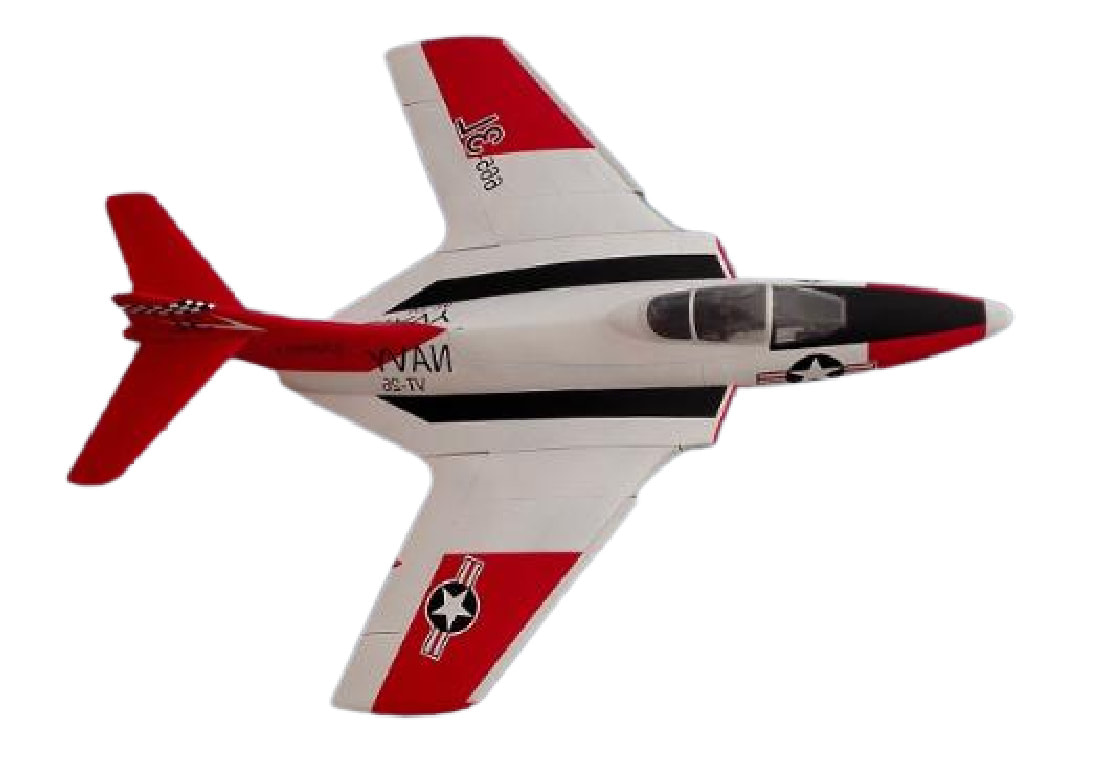
Flying an rc jet is one of the most exhilarating experiences in the RC aviation world. Whether you’re a beginner exploring jet-powered aircraft for the first time or an experienced pilot ready to master high-speed maneuvers, these models deliver unmatched excitement. At RC MILITARY VEHICLES, we focus on high-performance, detail-rich RC machines — and rc jets hold a special place among enthusiasts who crave speed, realism, and precision.
This comprehensive guide breaks down everything you need to know before flying your rc jet — from essential components and safety practices to performance features, training steps, and buying tips. By the end, you’ll be ready to take off with confidence.
Understanding the Basics of an RC Jet
The Role of EDF and Turbine Systems
RC jets are powered by two main propulsion systems: Electric Ducted Fans (EDF) and miniature gas turbines. Both deliver impressive speed, but understanding the difference helps you choose wisely.
EDF Jets
EDF rc jets use high-RPM electric fans enclosed in ducts. Benefits include:
- Lower cost
- Easier handling
- Quiet performance
- Ideal for beginners
EDF jets simulate the look and feel of real jet engines while offering better control at slower speeds.
Turbine Jets
Turbine rc jets feature real micro gas turbines that burn jet fuel or kerosene. Advantages include:
- Extreme speed
- High thrust
- Unmatched realism
However, turbine jets require advanced flying skills, stricter maintenance, and significant investment. They are best suited for seasoned pilots.
Key Features to Consider Before Flying Your RC Jet
Aerodynamics and Design
The aerodynamics of an rc jet determine how it lifts, glides, and handles sharp movements. Jets often have swept wings and streamlined bodies designed for high-speed performance. Beginners should look for models with stable wing configurations, while experienced pilots may choose slimmer, faster airframes for advanced aerobatics.
Build Material and Durability
Most rc jets today are constructed using EPO foam, composite fiberglass, carbon fiber reinforcements, or balsa wood.
- EPO Foam → Great for beginners due to flexibility and impact resistance
- Fiberglass/Composite Jets → More rigid, allowing faster speeds and sharper turns
- Carbon Fiber → Extremely strong, lightweight, and ideal for high-powered turbine rc jets
Durability matters, especially when learning, as rc jets land at higher speeds compared to prop planes.
Power and Battery System
EDF rc jets typically use LiPo batteries. A higher cell count (4S, 6S, 8S) means more power and speed. Beginners might start with 4S or 6S systems, while advanced pilots often aim for 8S to 12S setups for extreme velocity.
Battery capacity also impacts flight time. Most flights last between 3 and 6 minutes, so efficient throttle management is essential.
Why RC Jets Are Different from Other Aircraft
RC jets demand more precision and awareness than propeller-driven planes. Their speed means you have less reaction time and must plan maneuvers earlier. Turning radius is larger, landing requires accuracy, and energy management becomes crucial.
Faster Speeds
Even beginner EDF jets can hit 70–120 mph. Turbine rc jets often exceed 200 mph. With speed comes shorter decision windows, making practice essential.
Realistic Flight Behavior
Jets require smooth, coordinated control inputs. Abrupt movements waste energy or cause stalls. Understanding airflow, lift, and throttle-to-speed response makes a dramatic difference in performance.
More Demanding Takeoff and Landing
Unlike prop planes, jets typically have:
- Higher stall speeds
- Longer takeoff runs
- Faster landing approaches
This is why a strong foundation in RC flight basics benefits every aspiring jet pilot.
Training Before Flying Your First RC Jet
Simulator Practice
A flight simulator is one of the smartest investments you can make before handling an rc jet. Programs like RealFlight or Phoenix RC provide realistic jet modeling, helping you practice takeoffs, turns, throttle management, and landing approaches without risking damage.
Start with an Entry-Level EDF Jet
Before jumping into high-speed turbine models, it’s essential to gain actual hands-on experience with a beginner-friendly EDF rc jet. These jets handle well at lower speeds and are far more forgiving.
Features to Look For in a Beginner RC Jet
- Wide wingspan for stability
- 4S or 6S battery compatibility
- Reinforced EPO foam body
- Beginner-friendly flight modes
- Durable landing gear
This type of rc jet lets you develop skills progressively.
Join an RC Club
Flying fields and RC clubs provide safe, controlled environments with experienced pilots who can offer advice, buddy-box training, and emergency help when needed. Having guidance early on prevents mistakes and builds confidence.
Safety Tips Every RC Jet Pilot Should Know
Pre-Flight Inspection
Always check your rc jet before each flight:
- Battery secure and fully charged
- Control surfaces aligned
- EDF or turbine system functioning properly
- Landing gear locked
- Wings free from damage
A two-minute inspection prevents costly errors.
Choose the Right Flying Environment
RC jets require more airspace due to their speed. Choose a large open area, preferably an RC airfield. Avoid parks, roads, and residential zones.
Master Throttle Control
Throttle management is a crucial skill. Many crashes happen because pilots cut throttle too quickly or overuse it during turns. Smooth inputs keep your rc jet stable and efficient.
Understand Wind Conditions
Jets handle wind better than prop planes, but landing in crosswinds or gusts can still be a challenge. When learning, fly only in calm or mild conditions.
What to Look for When Buying an RC Jet
Skill Level Compatibility
Your ideal rc jet should match your experience level. Beginners should avoid turbine jets until they master EDF models and basic aerobatics.
Brand Reputation
Established brands offer better durability, easier repairs, and replacement parts. Companies like Freewing, E-flite, and HSD Jets are favorites among rc jet enthusiasts.
Spare Parts Availability
Jets take more impact damage during learning. Ensure your chosen model has accessible parts such as:
- Landing gear
- Wings
- EDF units
- Servos
- Fuselage components
Having spare parts means less downtime between flights.
Price vs. Performance Balance
EDF jets can be affordable, while turbine jets often cost thousands. Determine your budget and aims before investing.
Advanced RC Jet Flying Techniques
Energy Management
Jets rely on maintaining speed to stay airborne efficiently. Learn how to use:
- Proper glide paths
- Smooth throttle adjustments
- High-speed turns
- Thrust-to-weight awareness
Aerobatic Maneuvers
Once confident, you can explore advanced moves such as:
- Rolls
- Split-S
- Immelman turns
- Knife-edge passes
- High-speed low-altitude flybys
Each requires precision, timing, and spatial awareness.
Landing Approaches
A stable approach is key to a safe landing:
- Use gradual descents
- Maintain enough speed to prevent stalling
- Align carefully with the runway
- Avoid sharp maneuvers when low
Practice makes perfect — especially with jets.
Conclusion: Take Your RC Jet Skills to the Next Level
Flying an rc jet is one of the most rewarding experiences in the RC hobby world. Whether you're drawn to the raw power of turbine engines or the smooth, accessible performance of EDF jets, the journey is unforgettable. With the right preparation, proper training, and a solid understanding of aerodynamics and safety, you can take to the skies with confidence.