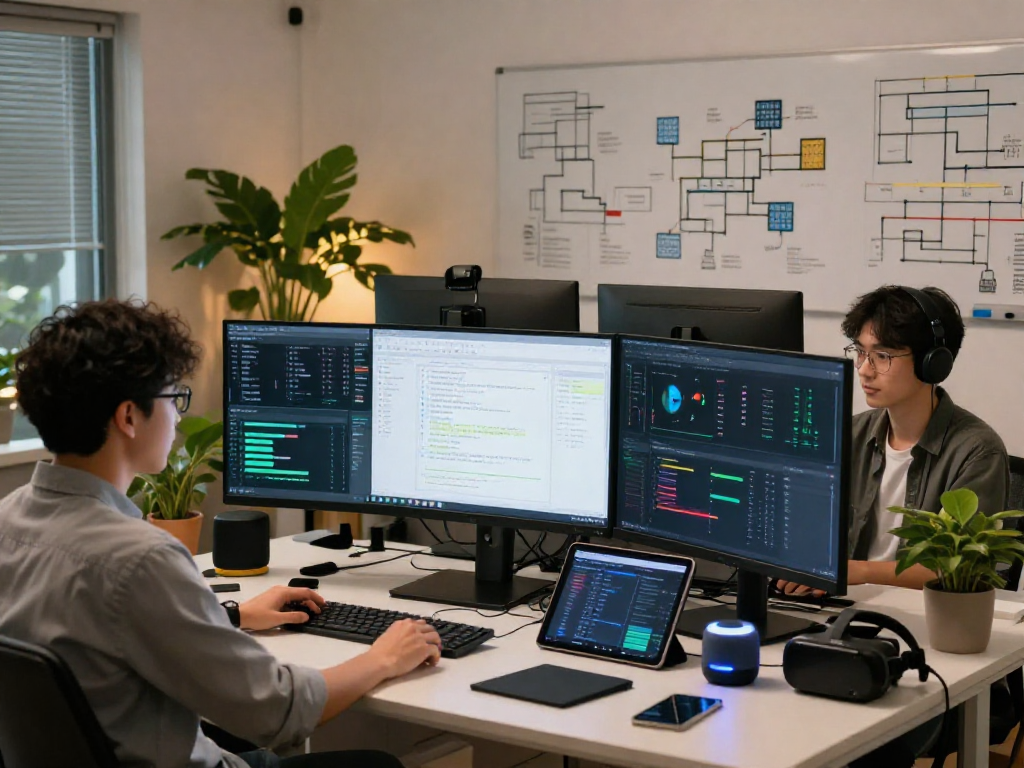
Understanding the Enterprise AI Assistant
What is an enterprise AI assistant?
An enterprise ai assistant is a sophisticated software solution designed to streamline workflows, improve productivity, and enhance collaboration within an organization. These AI-driven tools leverage natural language processing, machine learning, and data analytics to assist employees in various tasks, from scheduling meetings to generating reports and analyzing data. Unlike traditional virtual assistants, enterprise AI assistants are built to handle complex queries and integrate with existing organizational systems to facilitate seamless operations.
Key features of the enterprise AI assistant
Enterprise AI assistants come equipped with a range of features that differentiate them from standard virtual assistants:
- Natural Language Processing (NLP): This allows the assistant to understand and respond to user queries in a conversational manner, making interactions more intuitive.
- Data Integration: They can pull information from multiple data sources, including CRM systems, project management tools, and databases, presenting users with comprehensive insights.
- Task Automation: Routine tasks such as scheduling, data entry, and follow-ups can be automated, freeing up employee time for more strategic work.
- Customizable Workflows: Organizations can tailor the assistant's capabilities to fit specific processes or departmental needs, enhancing productivity and efficiency.
- Analytics and Reporting: Enterprise AI assistants can analyze data trends and generate reports, providing insights that support decision-making.
How the enterprise AI assistant differs from traditional assistants
While traditional virtual assistants primarily focus on basic tasks such as managing emails or setting reminders, enterprise AI assistants operate on a much larger scale. They are designed specifically for business environments, integrating with enterprise-level applications and handling sensitive data. Additionally, enterprise AI assistants offer:
- A higher degree of sophistication in decision-making, utilizing advanced algorithms to provide actionable insights.
- The capability to manage workflows across various departments, including finance, sales, and customer support.
- Enhanced security features to protect company data and comply with regulatory standards.
Challenges Faced by Organizations in Implementing Enterprise AI Assistant
Common hurdles in integration
Implementing an enterprise AI assistant can present several challenges for organizations:
- Legacy Systems: Many organizations operate with outdated systems that may not integrate well with newer AI technologies, leading to integration difficulties.
- Resistance to Change: Employees may resist adopting a new technology due to fear of job displacement or discomfort with AI tools, impacting overall effectiveness.
- Cost of Implementation: The initial investment for deploying and customizing AI tools can be significant, making budget approvals challenging.
Data privacy and compliance concerns
Data privacy and compliance are critical issues when implementing an enterprise AI assistant. Organizations must ensure that sensitive information is handled according to regulations such as GDPR or HIPAA. Key considerations include:
- Implementing robust security protocols to protect data from breaches.
- Establishing clear data usage policies to define how AI assistants access and utilize company data.
- Regular audits and compliance checks to ensure adherence to legal standards.
Skills gap in workforce
Another challenge organizations face is the skills gap in their workforce. Employees may lack the necessary skills to work effectively with AI technology. Addressing this gap involves:
- Providing comprehensive training programs tailored to different organizational levels.
- Encouraging a culture of continuous learning to keep employees updated on AI advancements and their applications.
Best Practices for Utilizing the Enterprise AI Assistant
Strategies for effective deployment
To successfully deploy an enterprise AI assistant, organizations should consider the following strategies:
- Define Clear Objectives: Identify specific goals for the AI assistant's implementation, such as reducing operational costs or enhancing customer service.
- Engage Stakeholders: Involve key stakeholders early in the process to ensure the solution meets their needs and to foster a collaborative environment.
- Pilot Programs: Start with pilot projects to test the AI assistant’s capabilities before full-scale implementation, allowing for adjustments based on feedback.
Measuring success and performance metrics
Evaluating the effectiveness of the enterprise AI assistant is crucial for determining its impact. Key performance metrics to consider include:
- User Adoption Rates: Analyze how quickly and widely the assistant is being integrated into daily workflows.
- Improvement in Productivity: Measure changes in productivity levels across teams after implementation.
- Cost Savings: Calculate any cost reductions from automating processes previously handled manually.
Training employees to leverage AI tools
Comprehensive training is vital for maximizing the potential of an enterprise AI assistant. Organizations should:
- Offer interactive training sessions that allow employees to experience the tool hands-on.
- Provide ongoing support and resources to help employees as they adapt to using AI technology in their roles.
Real-World Applications of the Enterprise AI Assistant
Case studies showcasing successful integration
Numerous organizations have leveraged enterprise AI assistants to enhance operations. For instance, a manufacturing company implemented an AI assistant to streamline its supply chain management, resulting in a 30% reduction in lead times and increased stock accuracy. Another company in the finance sector used an AI assistant to automate compliance checks, freeing up resources and reducing costs by 20%.
Benefits experienced by leading organizations
The benefits of utilizing enterprise AI assistants are widespread and can transform organizational dynamics. Key advantages include:
- Enhanced Efficiency: Automation of routine tasks leads to faster turnaround times and improved accuracy.
- Data-Driven Insights: The ability to analyze vast amounts of data enables better decision-making and strategic planning.
- Improved Employee Satisfaction: By taking over monotonous tasks, AI assistants allow employees to focus on more engaging and meaningful work, enhancing job satisfaction.
Industry-specific applications
Enterprise AI assistants are versatile and can be applied across various industries:
- Healthcare: Assisting with patient management, appointment scheduling, and data analysis for better treatment outcomes.
- Retail: Optimizing inventory management, personalizing customer experiences, and managing supply chains efficiently.
- Finance: Streamlining loan processing, automating compliance, and providing personalized financial advice based on client data.
Future Trends in Enterprise AI Assistant Technology
Emerging capabilities to watch
As technology evolves, enterprise AI assistants are expected to gain advanced capabilities, such as:
- Increased Personalization: Future AI assistants may offer more personalized interactions based on user behavior and preferences.
- Predictive Analytics: Enhanced data analytics capabilities to forecast trends and inform better business strategies.
- Greater Integration: More seamless integration with various organizational tools, creating a holistic user experience.
Impact on workplace dynamics
The incorporation of AI assistants will significantly shift workplace dynamics. As repetitive tasks become more automated, employees can devote more time to creative and strategic roles, fostering innovation and collaboration. Moreover, organizations may experience:
- A more agile and adaptive workforce capable of responding quickly to changing market conditions.
- Enhanced cross-departmental collaboration as AI tools facilitate information sharing and project management.
Preparing for the future of AI-driven enterprises
To prepare for an AI-driven future, organizations should:
- Invest in employee training and reskilling programs to equip the workforce for the evolving technological landscape.
- Foster a culture of innovation that encourages experimentation with new AI capabilities.
- Stay updated on AI trends and advancements to remain competitive in the marketplace.
Frequently Asked Questions
1. What tasks can an enterprise AI assistant perform?
An enterprise AI assistant can automate routine tasks, provide data insights, assist with scheduling, and enhance communication within a team, improving overall productivity.
2. How does the enterprise AI assistant help in decision-making?
By analyzing vast amounts of data in real time, the enterprise AI assistant provides actionable insights to support informed decision-making across various business functions.
3. What industries benefit the most from an enterprise AI assistant?
Industries such as finance, healthcare, retail, and manufacturing gain significant advantages through better data management, customer service automation, and operational efficiency.
4. Is the enterprise AI assistant secure?
Yes, enterprise AI assistants are designed with advanced security protocols and data encryption to protect sensitive organizational information and ensure compliance with privacy regulations.
5. How can organizations train their staff to work with an enterprise AI assistant?
Organizations can offer specialized training sessions, workshops, and ongoing support to help employees understand how to effectively use the enterprise AI assistant for their roles.