
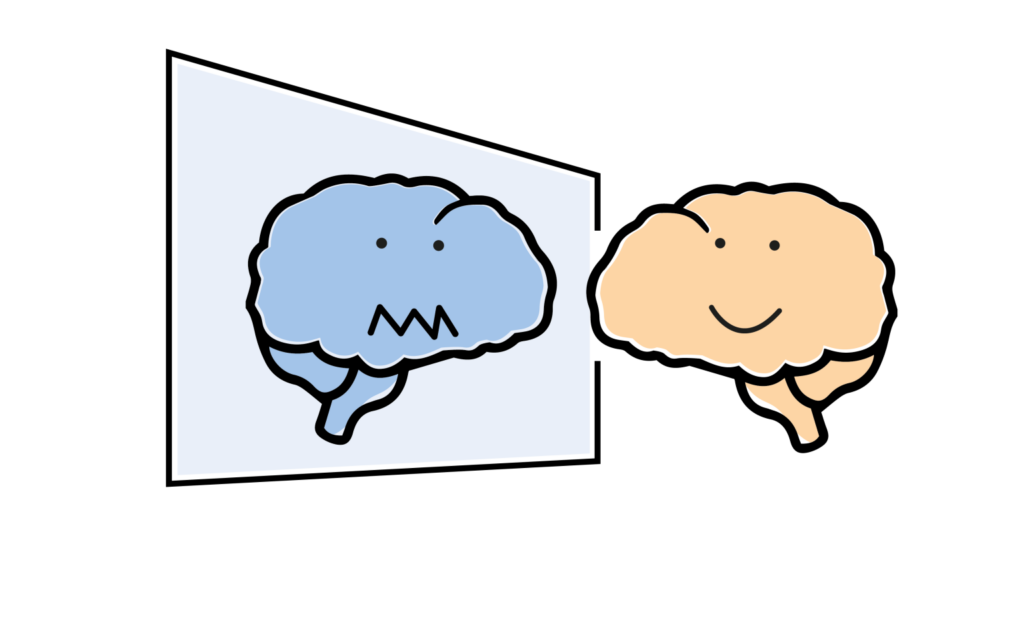
In modern life, stress, anxiety, and burnout have become increasingly common, affecting mental clarity, emotional stability, and overall wellbeing. At Calm Minds Hub, we emphasize the importance of practical Mental health tips to address these challenges. By understanding the causes of stress and implementing effective coping strategies, individuals can regain balance, improve resilience, and prevent long-term mental health issues.
Understanding Stress, Anxiety, and Burnout
What Is Stress?
Stress is the body’s natural response to perceived threats or demands. While short-term stress can enhance focus and performance, chronic stress negatively impacts physical and mental health, leading to fatigue, irritability, and cognitive difficulties.
Recognizing Anxiety
Anxiety is characterized by excessive worry, nervousness, or fear that interferes with daily life. Physiological responses such as increased heart rate, rapid breathing, and muscle tension often accompany anxiety. Identifying early signs is crucial for effective management.
Understanding Burnout
Burnout is a state of emotional, mental, and physical exhaustion caused by prolonged stress. It often manifests as detachment, decreased motivation, and reduced productivity. Unlike occasional stress, burnout requires intentional interventions to restore balance.
Daily Strategies for Stress Management
Mindful Breathing Techniques
Engaging in deep, mindful breathing helps regulate the nervous system and reduces stress hormone levels. Practices such as diaphragmatic breathing or box breathing can be performed anytime, providing immediate relief from tension and mental overload.
Time Management and Prioritization
Organizing tasks, setting realistic goals, and breaking projects into manageable steps reduces the feeling of being overwhelmed. Prioritization ensures focus on essential activities, decreasing stress and preventing burnout.
Relaxation Practices
Relaxation techniques, including progressive muscle relaxation, guided imagery, and aromatherapy, help calm the mind and body. Incorporating short relaxation sessions throughout the day enhances overall emotional balance.
Managing Anxiety Effectively
Cognitive Behavioral Techniques
Cognitive Behavioral Therapy (CBT) strategies help identify and challenge irrational thoughts that fuel anxiety. Replacing negative thinking with realistic, solution-oriented perspectives reduces worry and increases emotional control.
Mindfulness and Meditation
Mindfulness practices cultivate present-moment awareness, reducing rumination and excessive worry. Regular meditation has been scientifically shown to decrease anxiety levels and improve emotional regulation.
Physical Activity
Exercise is a natural anxiety reducer. Activities such as walking, jogging, or yoga release endorphins, lower cortisol levels, and improve mood, contributing to better management of anxious feelings.
Preventing and Recovering from Burnout
Setting Boundaries
Establishing clear personal and professional boundaries prevents overcommitment and emotional depletion. Learning to say no and delegating responsibilities protects mental health and energy levels.
Prioritizing Self-Care
Engaging in consistent self-care routines—such as sleep, healthy nutrition, exercise, and hobbies—supports recovery from burnout. Self-care replenishes emotional reserves and enhances resilience.
Seeking Social Support
Connecting with supportive friends, family, or professional counselors provides emotional validation and practical guidance. Social support is a key factor in preventing burnout and maintaining mental wellbeing.
Lifestyle Habits That Reduce Stress and Anxiety
Adequate Sleep
Sleep is essential for emotional regulation and cognitive function. Maintaining a consistent sleep schedule and creating a restful environment reduces vulnerability to stress and anxiety.
Balanced Nutrition
A nutrient-rich diet supports brain function and mood stability. Omega-3 fatty acids, antioxidants, and complex carbohydrates help regulate neurotransmitters, while limiting processed foods and sugar reduces anxiety symptoms.
Limiting Stimulants and Alcohol
Excessive caffeine, nicotine, and alcohol can exacerbate stress and anxiety. Moderation, combined with hydration and healthy lifestyle choices, supports a calmer mental state.
Digital Detox
Limiting exposure to social media and digital devices helps reduce cognitive overload and emotional fatigue. Designating tech-free periods encourages relaxation and promotes mindfulness.
Building Long-Term Resilience
Emotional Awareness
Recognizing and labeling emotions accurately allows for healthier responses to stress and anxiety. Journaling or reflective practices enhance emotional intelligence and resilience.
Positive Mindset and Gratitude
Cultivating a positive mindset and practicing gratitude improve mental resilience. Focusing on achievements, personal strengths, and daily positive experiences shifts perspective and reduces stress reactivity.
Professional Guidance
Seeking professional help from therapists or counselors is a scientifically validated method for managing chronic stress, anxiety, and burnout. Tailored interventions provide effective tools for recovery and prevention.
Conclusion
Implementing mental health tips to manage stress, anxiety, and burnout is essential for maintaining emotional balance and overall wellbeing. By integrating evidence-based strategies, establishing healthy routines, and prioritizing self-care, individuals can reduce mental strain, improve resilience, and foster long-term emotional stability. Consistent application of these practices empowers a healthier and more fulfilling life. Click here to return to the homepage and unlock more content.
FAQs
What are the most effective ways to manage stress daily?
Daily strategies such as mindful breathing, time management, relaxation exercises, and regular physical activity are proven to reduce stress and enhance emotional balance.
How can anxiety be controlled without medication?
Anxiety can be managed through cognitive-behavioral techniques, mindfulness meditation, regular exercise, and lifestyle adjustments like sleep hygiene and balanced nutrition.
How can burnout be prevented at work and home?
Prevent burnout by setting boundaries, prioritizing self-care, maintaining supportive relationships, delegating responsibilities, and taking regular breaks to restore mental and emotional energy.