Understanding Green Cooling
What is Green Cooling?
Green Cooling refers to an eco-friendly approach to cooling technologies that prioritize both efficiency and sustainability. At its core, it is centered around reducing environmental impact through the use of natural refrigerants and energy-efficient systems. These systems are designed not only to cool spaces effectively but also to align with global efforts to combat climate change. By adopting Green Cooling methods, individuals and organizations can significantly reduce their carbon footprint while enjoying superior cooling performance.
Importance of Sustainability
Sustainability in cooling technologies is crucial due to the increasing demand for air conditioning and refrigeration, which significantly contributes to energy consumption and greenhouse gas emissions. Traditional cooling methods often rely on ozone-depleting substances and high global warming potential (GWP) refrigerants, which are detrimental to the environment. By shifting to Green Cooling, we can minimize energy use and mitigate the harsh impacts of climate change. This paradigm encourages a balance between meeting cooling demands and protecting our planet for future generations.
Benefits of Green Cooling Systems
The adoption of Green Cooling systems presents various advantages:
- Reduced Environmental Impact: Utilizing natural refrigerants, these systems help to minimize contributions to global warming and ozone depletion.
- Energy Efficiency: Enhanced designs and technology in Green Cooling systems can result in substantial reductions in energy consumption, leading to lower operational costs.
- Improved Indoor Air Quality: Many Green Cooling technologies do not produce harmful by-products, creating healthier indoor environments.
- Regulatory Compliance: With increasing regulations mandating the use of eco-friendly refrigerants, adopting Green Cooling positions businesses favorably within legal frameworks.
- Financial Incentives: Many regions offer grants, tax rebates, and incentives for energy-efficient installations, further improving the return on investment.
How Green Cooling Works
Natural Refrigerants Explained
Natural refrigerants include substances like ammonia, carbon dioxide (CO2), and hydrocarbons, which are less harmful to the environment compared to synthetic refrigerants. These natural options are not only safer for the ozone layer but can also operate efficiently at lower energy levels. For example, CO2 provides excellent thermodynamic properties and can be found in various systems ranging from small refrigeration units to large industrial chillers. Understanding the characteristics and applications of these refrigerants is vital for effective implementation of Green Cooling technologies.
Energy Efficiency Innovations
The advancement of energy-efficient technologies within cooling systems involves various strategies, including:
- High-Efficiency Compressors: These devices operate with greater efficiency, reducing energy usage and costs.
- Variable Speed Drives: Tailoring compressor speed according to cooling demand ensures optimal energy use.
- Intelligent Controls: Smart thermostats and integrated system controls improve overall system efficiency by adjusting operations based on occupancy and external conditions.
- Heat Recovery Systems: By recycling waste heat from cooling systems, facilities can simultaneously provide hot water or space heating, thus maximizing efficiency.
Integrating Green Cooling with Existing Systems
Transitioning to Green Cooling doesn't always require total system overhaul. Many existing cooling systems can be retrofitted to incorporate greener technologies. Key steps include:
- Assessing the current system's components to identify opportunities for integration of natural refrigerants.
- Identifying energy efficiency improvements through upgrades in controls and automation.
- Training staff on new technology practices to ensure optimal operation and maintenance.
- Establishing monitoring protocols to evaluate the performance of Green Cooling components and optimize their efficiency.
Applications of Green Cooling
Residential Solutions
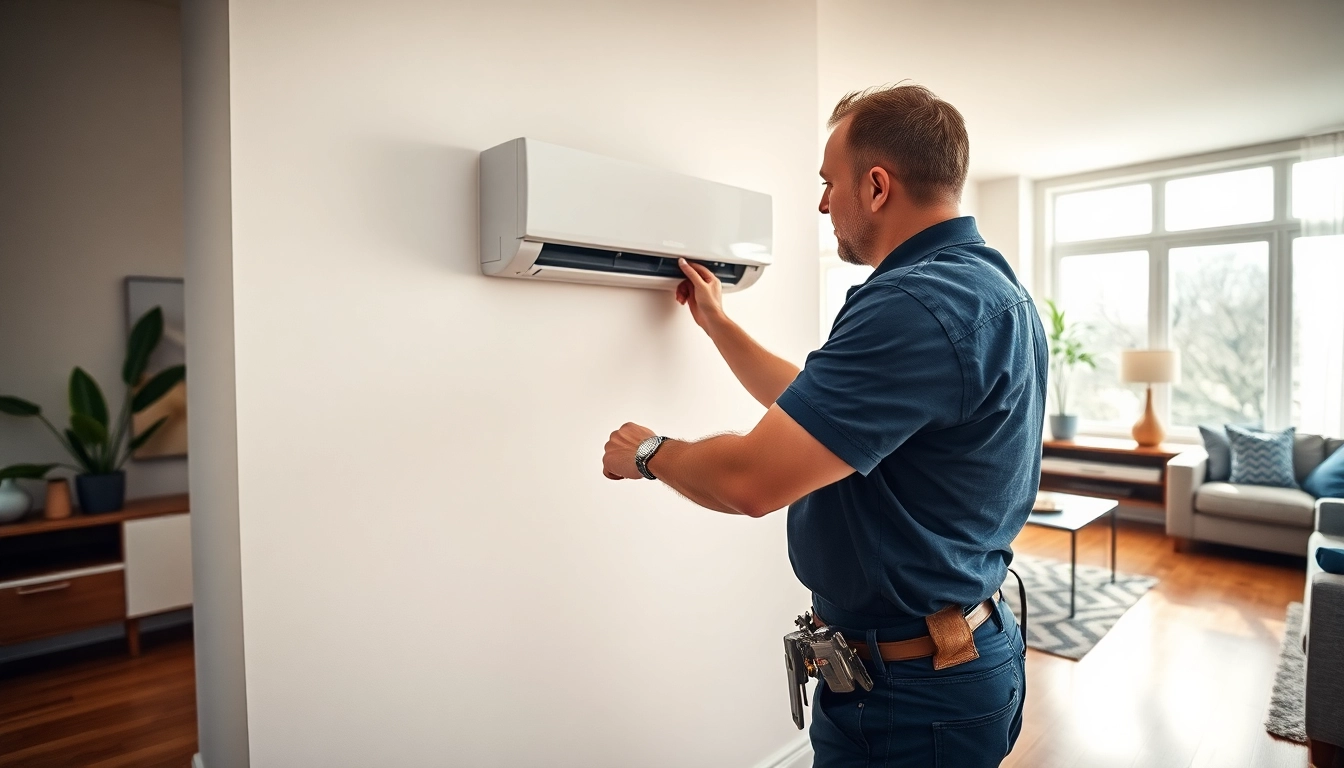
Green Cooling can play a transformative role in residential settings. Homeowners can implement energy-efficient HVAC systems that use natural refrigerants. For example, split systems employing R-290, a propane-based refrigerant, can provide effective cooling while minimizing environmental impact. Moreover, improving building insulation and ventilation can enhance overall cooling efficiency, leading to reduced energy needs and costs.
Commercial Installations
In commercial environments, such as offices and retail spaces, the principles of Green Cooling can lead to significant energy savings. Employing high-efficiency chillers and implementing smart building technologies can optimize energy consumption. Additionally, establishing green building certifications and participating in sustainability programs can enhance brand reputation while attracting environmentally conscious customers and clients.
Industrial Uses
Green Cooling technologies also have robust applications in industrial contexts. Industries with high cooling demands, such as food processing or pharmaceuticals, can benefit from systems designed to handle large thermal loads efficiently. The use of innovative refrigerant options and heat recovery systems not only meets operational requirements but also achieves significant cost reductions. Furthermore, maintaining compliance with regulations surrounding refrigerant usage can avail companies of financial incentives and improve sustainability credentials.
Challenges and Considerations
Cost and Investment Analysis
Initial investment costs for Green Cooling technologies may be higher than traditional systems, primarily due to the costs associated with natural refrigerants and advanced technologies. However, when conducting a thorough cost-benefit analysis, these systems often provide a favorable return on investment through ongoing energy savings and reduced maintenance costs. Considering the long-term environmental benefits, investing in Green Cooling is not just economically viable but imperative for future sustainability.
Technological Hurdles
The successful transition to Green Cooling depends on overcoming existing technological hurdles, such as the limited availability of natural refrigerants or the need for specialized training to handle these systems. Engaging with industry experts or collaborating with partners who specialize in eco-friendly technologies can help optimize the integration process and tackle potential challenges efficiently.
Regulatory Compliance
It is essential for organizations to remain informed about regulations governing refrigerant use and energy efficiency standards. Many regions have stringent laws related to the disposal of harmful refrigerants and the introduction of new technologies. Consequently, organizations should prioritize staying updated to ensure compliance, avoid penalties, and fully leverage financial support for greener installations.
Future of Green Cooling
Trends in Green Cooling Technology
The future of Green Cooling will likely see an increase in the adoption of advanced heat pumps and solar-powered systems. These technologies allow for a decentralized approach to cooling, where energy generation and consumption occur in close proximity, reducing transmission losses. The integration of machine learning and IoT with Green Cooling systems can further enhance performance and predictive maintenance.
Global Initiatives and Partnerships
Global collaborations that prioritize sustainability in cooling technologies are essential for accelerating the adoption of Green Cooling. Initiatives by governments and organizations offer frameworks for best practices, research funding, and development of standards for natural refrigerants. Participating in such partnerships can help local businesses align with broader sustainability goals and access valuable resources.
How to Stay Updated on Innovations
Staying informed about the latest developments in Green Cooling technologies can significantly benefit organizations. Subscribing to industry journals, attending conferences, and participating in webinars focusing on sustainability trends are practical ways to remain knowledgeable. Additionally, engaging with professional networks can foster collaboration and exchange insights about innovative practices in the realm of energy-efficient cooling solutions.
FAQs About Green Cooling
What are the key principles of Green Cooling?
Green Cooling focuses on using natural refrigerants in combination with energy-efficient systems to minimize environmental impact while providing effective cooling solutions.
How does Green Cooling impact energy bills?
By enhancing energy efficiency, Green Cooling systems can significantly reduce energy consumption, leading to lower electricity bills and operational costs.
What types of refrigerants are used in Green Cooling?
Natural refrigerants such as ammonia, carbon dioxide, and hydrocarbons are commonly used in Green Cooling systems, offering eco-friendly alternatives to traditional refrigerants.
Can existing cooling systems be retrofitted for Green Cooling?
Yes, many existing systems can be retrofitted to incorporate Green Cooling technologies, improving their efficiency and reducing environmental impact without complete replacement.
What financial incentives are available for Green Cooling installations?
Various government and local incentives, like tax rebates and grants, are available for organizations that adopt energy-efficient and eco-friendly cooling systems.