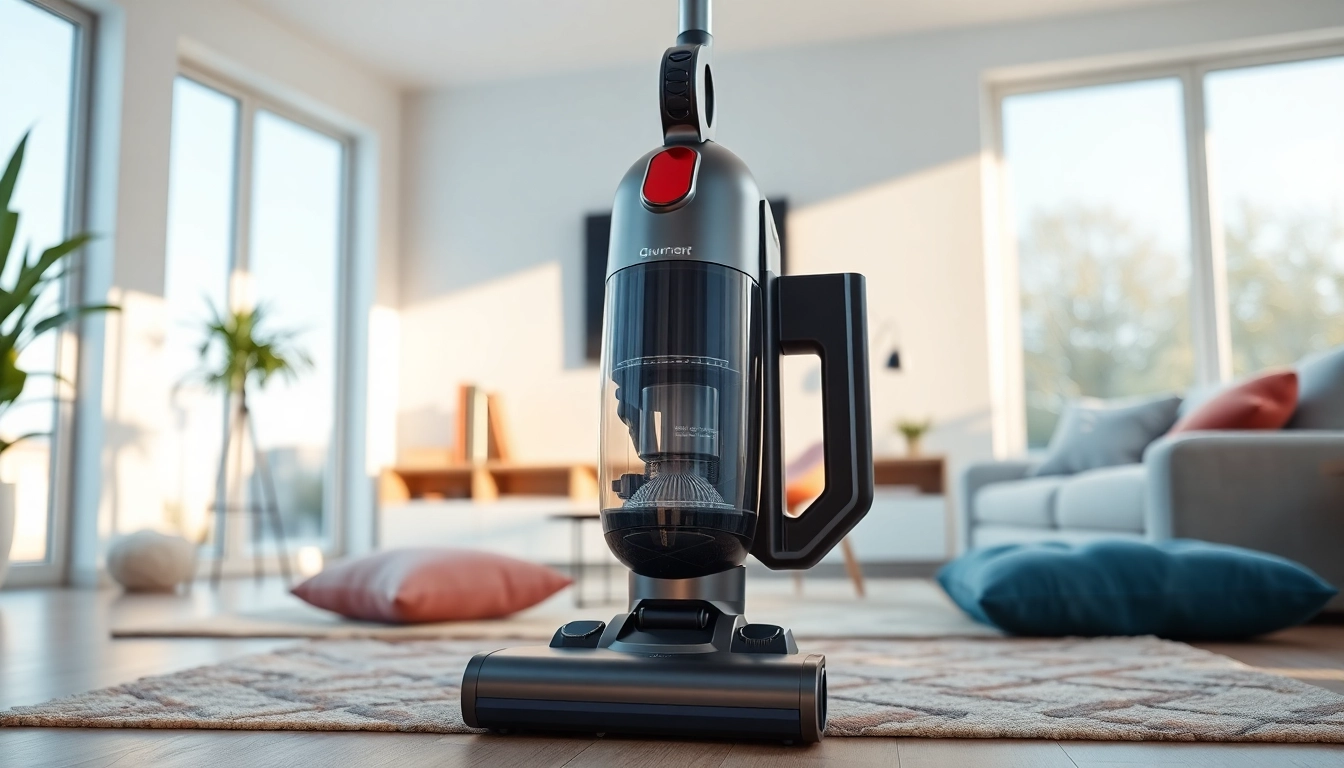
Understanding the Basics of Vacuum Technology
The History of Vacuum Innovation
The invention and evolution of vacuum technology has significantly transformed modern household cleaning. Originating in the 19th century, the first mechanical vacuum cleaner was developed, enabling users to clean more efficiently than manual methods. Over the decades, advancements such as electric motors, improved filtration systems, and specialized attachments have enhanced the performance and usability of vacuums. From its rudimentary beginnings, the vacuum has evolved into an essential household tool embraced worldwide for its convenience and effectiveness.
Types of Vacuums: Which One is Right for You?
Several types of vacuums cater to different cleaning needs. Understanding these options can help you choose the best fit for your home:
- Upright vacuums: Ideal for large carpeted areas, these vacuums offer powerful suction and a brush roller for deep cleaning.
- Canister vacuums: Versatile and easier to maneuver around furniture, canister vacuums are perfect for different floor types and above-floor cleaning.
- Robotic vacuums: These automated models provide convenience, mapping your home and cleaning autonomously, although often lacking the suction power of traditional options.
- Handheld vacuums: Great for quick clean-ups and tight spaces, handhelds are usually lightweight and easy to store.
- Stick vacuums: Sleek and lightweight, these are designed for superficial cleaning and are perfect for quick tidy-ups.
Key Features to Look for in a Vacuum
When selecting a vacuum, there are several key features worth considering:
- Suction power: A vacuum's suction power determines its cleaning efficiency. High-wattage motors often provide stronger suction.
- Filtration system: HEPA filters are vital for trapping allergens and fine dust particles, making them essential for allergy sufferers.
- Cord length: A longer cord allows for greater reach, minimizing the need for multiple power outlets during a cleaning session.
- Weight: Lightweight models are generally easier to maneuver and less physically demanding to use.
- Attachments and accessories: Consider what tools are included; specialized brushes and tools can significantly enhance your vacuuming experience.
Assessing Your Cleaning Needs
Identifying Your Home's Unique Cleaning Challenges
Before selecting a vacuum, it's crucial to evaluate your home's cleaning challenges. Consider the size of your home, the number of levels, and areas that may require extra attention, such as staircases or high ceilings. Households with multiple occupants or young children may encounter more debris and dirt, necessitating a vacuum that can handle frequent use and various messes.
Evaluating Floor Types and Surfaces
Your home's flooring directly influences the type of vacuum you should purchase. For instance:
- Carpet: If your home features carpeted areas, choose a vacuum specifically designed to lift dirt from fibers.
- Hardwood: Select a vacuum with soft brushes or a hard floor setting to prevent scratching.
- Tiles and laminates: Multi-surface vacuums often work well in such spaces, offering versatile cleaning capabilities.
Considerations for Pet Owners When Choosing a Vacuum
Living with pets adds unique challenges to cleaning. Pet hair, dander, and messes require specific vacuum features such as:
- Powerful suction: Strong suction is necessary to effectively pick up hair clinging to carpets and upholstery.
- Specialized attachments: Look for vacuums that include pet-specific tools designed to tackle hair and tough messes.
- Ease of cleaning: Pet owners will benefit from vacuums that are easy to empty and maintain, keeping cleaning efficiency high.
Key Performance Metrics of a Quality Vacuum
Understanding Suction Power and Efficiency
When evaluating a vacuum’s performance, suction power is a fundamental metric. Measured in watts or air watts, higher numbers generally correlate with better cleaning efficiency. Additionally, consider airflow, which should maintain strong suction across varied floor types.
The Importance of Filtration Systems in Vacuums
A vacuum's filtration system is vital, especially for individuals with allergies. High-efficiency particulate air (HEPA) filters can trap 99.97% of particulate matter, including pollen, dust, and mold spores. When selecting a model, check for a sealed system to prevent leaks, ensuring that the air expelled is cleaner than the air that was sucked in.
Assessing Noise Levels and User Comfort
Chose a vacuum model that operates quietly, particularly if you live in an apartment or have small children. Noise levels are typically measured in decibels (dB). As a rule of thumb, vacuums that operate under 70 dB tend to be comfortable for most household environments.
Best Practices for Vacuum Maintenance
How to Clean and Maintain Your Vacuum
Your vacuum will only perform its best with regular maintenance. Here are some best practices:
- Empty dust containers: Always clean or replace dust bins or bags when they reach the maximum fill line to maintain suction efficiency.
- Check filters regularly: Wash or replace filters according to the manufacturer's recommendations to ensure optimum airflow.
- Inspect brushes and belts: Regularly check for hair or debris wrapped around the brush rolls and ensure that belts show no signs of wear.
Recognizing Signs of Wear and When to Replace Your Vacuum
Even with maintenance, vacuums have a lifespan. Watch for signs like decreased suction, unusual noises, or the device not properly picking up dirt as indicators that it may be time for a replacement. Typically, a well-maintained vacuum lasts about 5 to 10 years.
Cleaning Accessories: Enhancing Your Vacuum Experience
Utilizing vacuum accessories can elevate your cleaning effectiveness. From crevice tools for corners to upholstery brushes for furniture, having the right accessory can make a significant difference. Consider investing in a vacuum that offers a range of attachments or one that provides the flexibility to buy new attachments as needed.
Maximizing Your Vacuum's Efficiency
Effective Vacuuming Techniques for Different Spaces
To maximize your vacuum's efficiency, employ specific techniques based on the space you're cleaning:
- Living rooms: Use slow, deliberate passes over carpets and ensure to reach under furniture.
- Stairs: Use handheld attachments for better control and precision in tight areas.
- Hard floors: Use a sweeping motion to prevent dust from being scattered and ensure all particles are collected.
Maintaining a Clean Home: Vacuuming Frequency
Establishing a vacuuming schedule greatly improves interior cleanliness. High-traffic areas may require vacuuming daily or every other day, while less frequented spaces can generally be cleaned weekly. Homes with pets may also benefit from more frequent cleanings to manage hair and dander effectively.
Common Vacuum Mistakes to Avoid
Prevent potential mishaps by avoiding common vacuuming mistakes:
- Ignoring attachments: Attachments are designed for specific tasks, and neglecting them reduces cleaning effectiveness.
- Vacuuming debris too large: Avoid vacuuming large objects, as they can damage your vacuum and reduce its lifespan.
- Skipping maintenance: Regular maintenance can prevent costly repairs and ensure your vacuum continues to function optimally.