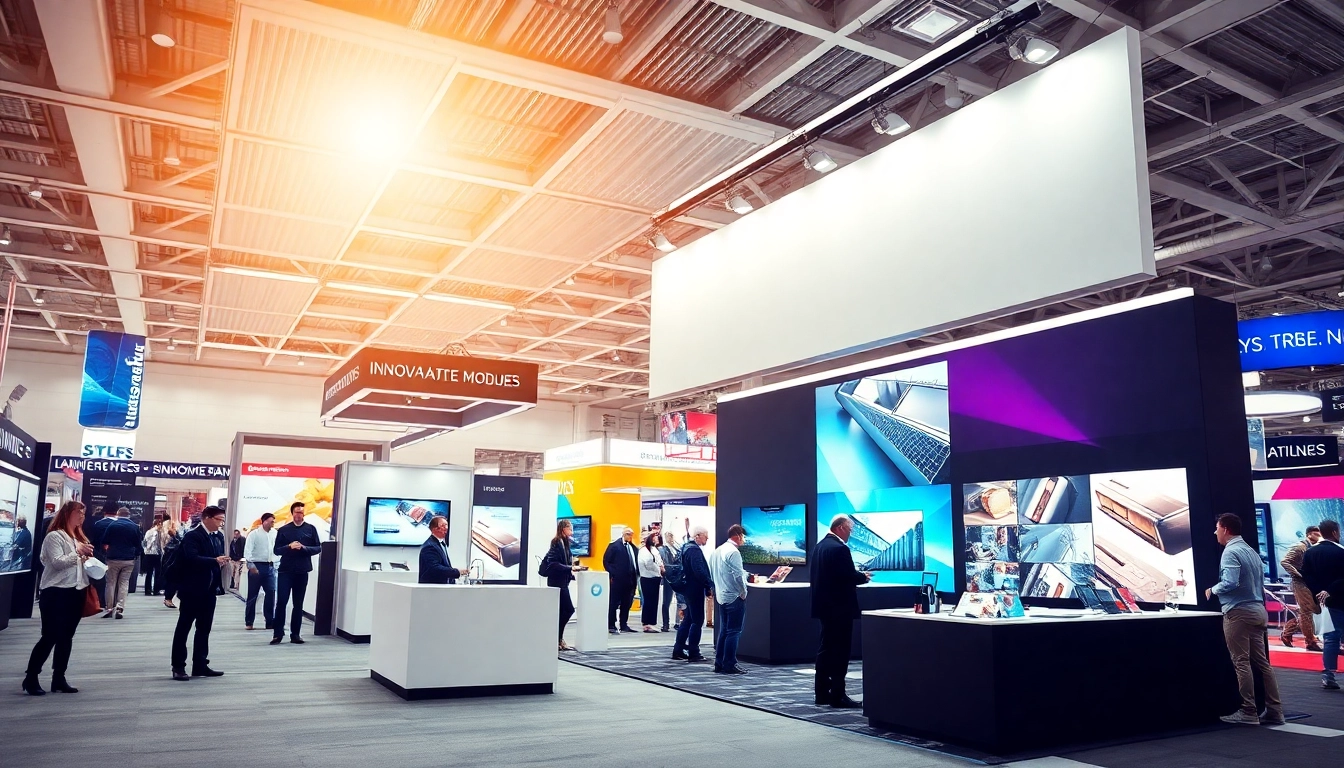
Understanding the Importance of Trade Show Displays
Trade shows offer an invaluable opportunity for businesses to showcase their products and services, network with potential clients, and keep an eye on competitors. At the heart of this experience lies the trade show displays, which serve as the first point of contact with attendees. The effectiveness of these displays can significantly impact the success of your exhibition. Understanding why they matter, the principles behind them, and how to avoid common mistakes can make a critical difference in your trade show experience.
Why Quality Displays Matter
The quality of a trade show display has far-reaching implications. A well-designed display not only attracts attention but conveys professionalism and commitment. High-quality materials and design elements help to establish your brand as trustworthy and reliable. On the contrary, poorly constructed displays can create a negative perception of your brand, leading potential customers to question your credibility. Additionally, high-quality displays tend to hold up better over time, which is essential for companies that participate in multiple events throughout the year.
Impact on Brand Image and Recognition
Your trade show display serves as a physical embodiment of your brand. Bright colors, logos, and taglines should reflect your company's overall marketing strategy and values. A consistent visual identity helps reinforce brand recognition among attendees. According to studies, attendees can only remember a small percentage of what they see and hear at trade shows. Therefore, making a strong visual impression with your displays can have lasting effects on brand recall and consumer confidence.
Common Mistakes in Display Selection
Many businesses make the mistake of prioritizing cost over quality when selecting trade show displays. Although it may be tempting to go with the cheapest option, this often leads to compromises in quality and functionality. Another common oversight is failing to customize displays to suit specific events or target audiences. Generic displays can dilute your branding and fail to resonate with your potential customers. Additionally, overlooking the logistical aspects of setup and breakdown can lead to unnecessary stress and complications during the event.
Types of Trade Show Displays
Pop-Up and Portable Displays
Pop-up displays are a popular choice for many exhibitors due to their ease of use and versatility. They are typically lightweight and can be set up and dismantled quickly, making them ideal for events with limited setup time. Portability is another critical factor, particularly for businesses that attend multiple shows throughout the year. Many designs come with carrying cases that add further convenience.
Pop-up displays can also be designed to include vibrant graphics and high-impact visuals, making them a great option for capturing attention in busy environments. However, they must be carefully selected to ensure they align with the brand's overall image and messaging.
Custom Design Options
Custom displays offer organizations opportunities to express their unique brand identity fully. These displays can range from bespoke booth designs to tailored graphics and promotional materials. While custom solutions often come at a higher price point, they allow for a distinct presence at trade shows. The immediate return on investment can be considerable, as these displays can effectively draw in visitors who might be interested in your products or services.
Moreover, having a custom design allows you to incorporate specific features that cater to the needs of your audience, such as interactive elements or multimedia presentations. This level of customization can enhance the visitor experience, making it more memorable and impactful.
Eco-Friendly Solutions
Environmental considerations are becoming increasingly significant for today's businesses, and trade show displays are no exception. Eco-friendly materials, such as recyclable plastics and sustainable wood, are now options for displays. This approach not only demonstrates a brand’s social responsibility but can also attract environmentally conscious consumers.
Implementing eco-friendly solutions can take various forms, from display materials to the logistical aspects of display transportation and setup. Creative use of sustainable resources can differentiate your exhibition space and align with the values of a growing number of attendees.
Designing Your Trade Show Display
Key Design Principles for Engagement
Designing a trade show display requires an understanding of key principles that enhance engagement. Firstly, clarity is paramount; message and purpose should be immediately obvious to passersby. Utilize minimalist designs that convey your key messages without overwhelming visuals.
Effective layout design is also essential. Ensure there is enough open space to invite attendees in and provide room for conversation. The placement of high-impact visuals should draw the eye without cluttering the display. Incorporating levels and distinct zones within the booth can also guide visitors naturally through their experience.
Color and Graphic Choices
Colors evoke emotions and can significantly influence perceptions of your brand. Selecting a palette that aligns with your branding while also being visually appealing can help you stand out. Bold colors can grab attention, while lighter, softer shades can create a calming atmosphere. When choosing graphics, ensure that they are high-resolution and relevant to your brand message. Infographics can serve as effective tools for summarizing complex information in an engaging format.
Moreover, consider cultural implications of color choices, especially when exhibiting internationally. Various cultures attach different meanings to colors, and sensitivity to these connotations can improve your brand's reception.
Integrating Technology for Interactivity
Technology can play a pivotal role in making your trade show display more engaging. Interactive touch screens, virtual reality experiences, and augmented reality applications can captivate attendees and provide them with unique insights into your products or services.
Live demonstrations can also be invigorated with technology, presenting your offerings in a practical light. Providing a way for attendees to interact with your display encourages them to spend more time in your space, fostering a connection with your brand.
Logistics and Setup for Successful Displays
Planning Your Exhibit Space
The layout and planning of your exhibit space are critical to success. Assess the available space and determine how to best utilize it for maximum visibility and accessibility. Consider traffic flow; the goal is to create an inviting pathway that encourages attendees to visit while allowing for easy interaction with your display.
Additionally, consider the types of activities you wish to incorporate, such as demonstrations, giveaways, or presentations, and plan your space accordingly. Allocate appropriate zones for each activity to maintain an organized flow.
Transportation and Assembly Considerations
Logistics often determine the overall effectiveness of your display. Organizing transportation and assembly should be your priority to alleviate stress during the event. Ensure that all components are accounted for and prepare an assembly guide that outlines each step of the setup process.
Another critical aspect is to arrive early to allow ample setup time. Familiarize your team with the assembly process so that they are equipped to handle any unexpected issues promptly. Effective communication throughout this process can minimize delays and ensure a successful display setup.
Creating a Seamless Visitor Experience
A seamless visitor experience should be your ultimate goal. This begins with effective staffing—ensure your team is knowledgeable, friendly, and ready to engage with attendees. Establish clear communication guidelines for staff so everyone can answer questions and convey information accurately.
Some additional strategies include providing easily accessible promotional materials, business cards, and incentives for attendees to return to your booth. Having a clear follow-up mechanism in place allows for sustained engagement even after the trade show concludes.
Measuring Success After the Trade Show
Post-Event Analytics and ROI
Measuring the success of your trade show participation involves more than just counting leads. Establishing clear metrics prior to your event will aid in analyzing overall performance. Common metrics include the number of leads generated, sales discussions initiated, and completed transactions post-event.
Evaluating your return on investment (ROI) is also essential. Calculate not only the immediate sales generated but the long-term value of customer relationships established during the event. Having these metrics will provide tangible data for future planning and improvement.
Gathering Feedback from Attendees
Feedback is a goldmine for improvement. Engage with attendees during and after the event to gauge their opinions on your display and approach. Surveys, either digital or paper-based, can offer crucial insights into attendee perceptions and experiences.
Consider key questions to ask, such as what caught their interest or how they perceived your brand’s messaging. This feedback can inform your strategies for future trade shows, tailoring your approach to meet the preferences of your audience more effectively.
Strategies for Follow-Up Engagement
Once the trade show concludes, the relationship-building should not end. Develop effective follow-up strategies to engage with leads collected during the event. Personalized email campaigns, thank-you notes, and tailored offers are excellent methods to keep the conversation going.
Utilize the information you gathered during conversations to customize your follow-ups. For instance, if a lead expressed interest in a particular product, referencing that in your follow-up communication can demonstrate attentiveness and enhance rapport.