Understanding the Manaslu Circuit Trek
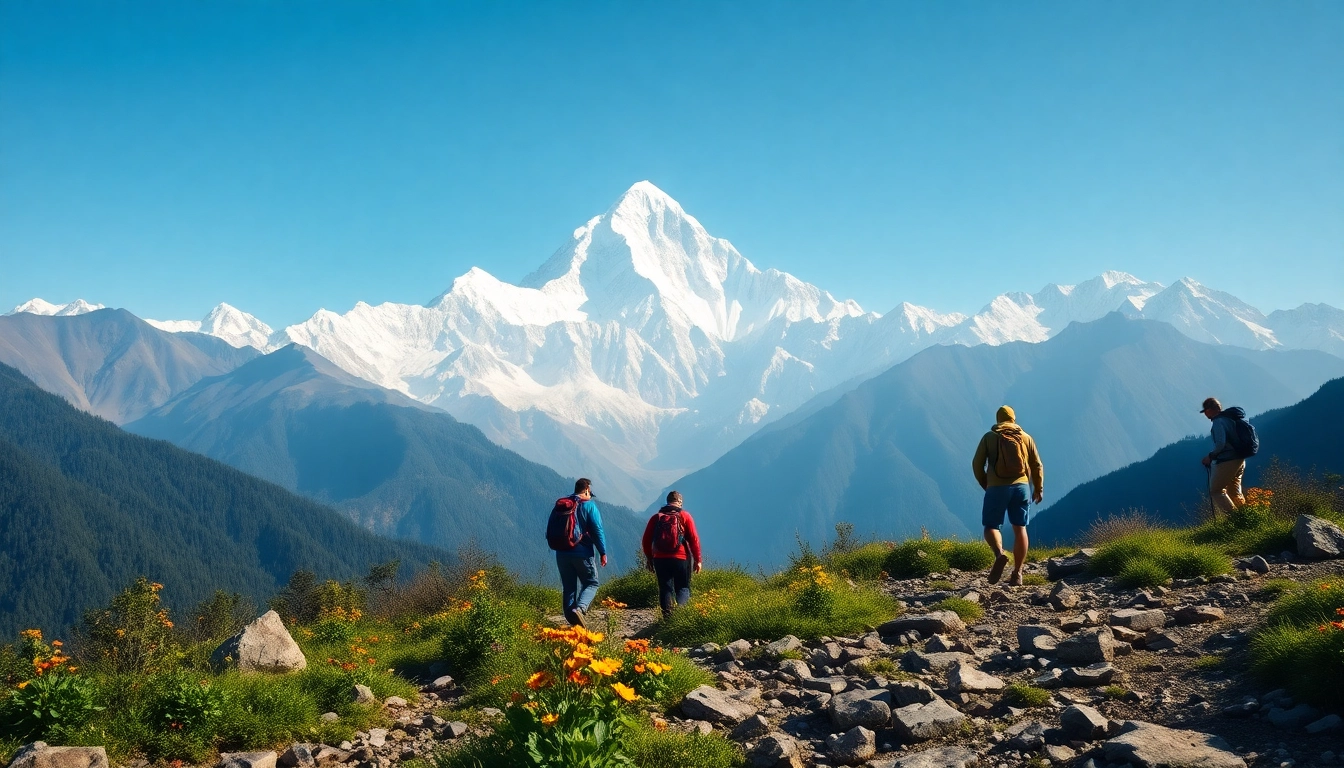
Embarking on the manaslu circuit trek is an extraordinary journey that takes you through some of the most breathtaking landscapes in Nepal. Nestled in the Manaslu Conservation Area, this trek offers a unique blend of natural beauty, cultural richness, and adventure, making it an appealing choice for trekking enthusiasts. Spanning approximately 177 kilometers, the trek offers stunning views of the eighth highest mountain in the world, Mount Manaslu, and takes trekkers through remote villages, lush forests, and high-altitude glacial lakes.
Overview of the Trekking Route
The Manaslu Circuit Trek typically begins and ends in the remote village of Dharapani, taking you on a sensational loop around the Manaslu massif. The trek's duration generally spans 15 days, combining scenic drives and challenging treks. Starting with an exhilarating drive from Kathmandu to Machha Khola, trekkers gradually make their way through charming villages like Jagat, Deng, and Lho, before reaching the spectacular Larkya La Pass at an elevation of 5,160 meters. Each section of the trek presents captivating sights of the majestic Himalayas and offers a chance to interact with the vibrant local culture.
Key Highlights and Attractions
- Stunning vistas of Mount Manaslu and neighboring peaks
- Rich cultural experiences in traditional Tibetan villages
- Unique flora and fauna of the Manaslu Conservation Area
- Incredible hiking through diverse landscapes, including lush forests and rugged terrain
- Crossing the high-altitude Larkya La Pass
Physical Requirements and Difficulty Level
The Manaslu Circuit Trek is rated as moderately challenging, primarily due to the high altitudes and the duration of the trek. Trekkers should be prepared for long days of walking, with an average of 6 to 8 hours of trekking required each day. It is essential to have a good level of physical fitness and stamina, as well as experience with uneven terrains to fully enjoy this adventure. Proper acclimatization strategies are crucial to avoid altitude sickness and ensure a safe trekking experience.
Preparing for Your Journey
Packing Essentials for the Manaslu Circuit Trek
Having the appropriate gear and equipment is vital for a successful trek. Essential items include:
- Durable trekking boots with good ankle support
- Warm layers, including thermal tops and down jackets
- Waterproof jackets and pants
- Trekking poles
- First aid kit and personal medications
- Reusable water bottle and hydration systems
- Headlamps or flashlights with extra batteries
Health and Safety Considerations
Your health and safety are of utmost importance during the trek. It's advisable to consult a healthcare professional before your trip, especially regarding vaccinations and altitude sickness prevention. Bring along a basic first aid kit that includes medications for common ailments. Additionally, ensure you're hydrated, consume nutritious meals, and avoid alcohol and smoking to maintain your stamina throughout the trek.
Acclimatization Strategies for High Altitudes
Acclimatization is crucial for successfully completing the Manaslu Circuit Trek. Take advantage of acclimatization days, especially at higher elevations like Samagaon. This allows your body to adjust to the reduced oxygen levels. Consider ascending slowly, taking short breaks, and staying well-hydrated. Familiarize yourself with the signs of altitude sickness, which can include headaches, nausea, and dizziness.
Planning Your Itinerary
Day-by-Day Breakdown of the Trek
The following is a general itinerary for the 15-day Manaslu Circuit Trek:
- Day 1: Arrival in Kathmandu
- Day 2: Drive to Machha Khola
- Day 3: Trek to Jagat
- Day 4: Trek to Deng
- Day 5: Trek to Namrung
- Day 6: Trek to Lho
- Day 7: Trek to Samagaon
- Day 8: Acclimatization day at Samagaon
- Day 9: Trek to Samdo
- Day 10: Trek to Dharmashala
- Day 11: Trek to Bimthang via Larkya La Pass
- Day 12: Trek to Goa
- Day 13: Trek to Dharapani
- Day 14: Drive back to Kathmandu
- Day 15: Departure from Kathmandu
Best Times to Visit for Optimal Experience
The best time to embark on the Manaslu Circuit Trek is during the spring (March to May) and autumn (September to November) seasons. These months offer mild temperatures, clear skies, and minimal rainfall, ensuring the best trekking conditions. Spring is particularly beautiful, with blooming rhododendrons adding vibrant colors to the landscape.
Departure Dates for 2025 Treks
For those planning to trek in 2025, Ace the Himalaya offers various scheduled departures throughout the trekking season. It's advisable to book your spots early as the number of trekkers allowed in the region is limited, ensuring a more exclusive experience on the trails.
Understanding Trekking Costs
Price Breakdown for the Manaslu Circuit Trek
The cost of the trek can vary based on the itineraries, the services provided, and the season you choose to travel. Generally, prices range from $1,500 to $2,500. A standard package with Ace the Himalaya is priced at approximately $1,550 per person for 15 days, which includes transportation, meals, accommodation, permits, and guide services.
What’s Included in Your Trek Package?
Your trek package typically includes:
- Private transportation to and from Kathmandu
- Accommodation in teahouses during the trek
- Meals along the trekking route
- Manaslu Conservation Area Permit (MCAP)
- Transportation of your luggage by porters
- Professional trekking guide
Additional Costs to Consider
While many costs are included in the trekking package, trekkers should factor in additional expenses such as:
- Personal expenses (snacks, drinks, etc.)
- Tips for guides and porters
- Costs for shower facilities and charging electronics in some locations
- Health and travel insurance
Experiencing Local Culture on the Trek
Interacting with Local Communities
The Manaslu Circuit Trek provides a unique opportunity to interact with local communities, where you can learn about their lifestyle, customs, and traditional practices. Engaging with locals in villages like Samagaon and Lho allows you to appreciate the rich Tibetan culture that permeates the region.
Tibetan Influences and Cuisine Specifics
As you trek, you will encounter a wide range of Tibetan influences, particularly in the local cuisine. Traditional dishes such as momos (dumplings), thukpa (noodle soup), and dal bhat (rice and lentils) are commonly served at teahouses. These meals are not just delicious but also offer essential energy for your trek.
Responsible Trekking Practices
As a responsible trekker, it's essential to minimize your impact on the environment and respect local customs. Stick to established trails, avoid littering, and support local businesses by purchasing local crafts. Engaging in responsible trekking practices ensures that the beauty of the Manaslu region remains preserved for future generations.