Introduction to Gardening Basics
Gardening is an engaging activity that blends nature with creativity, health, and sustainability. For anyone considering taking up this rewarding hobby, it can lead to a deeper appreciation of the environment and the benefits it provides. Whether you're aiming to cultivate herbs, vegetables, flowers, or a combination of all three, getting started requires knowledge of essential principles and practices. This comprehensive guide on Gardening will cover everything a novice gardener needs to know, from planning your garden layout to choosing the right plants and maintaining their health.
Understanding Gardening Fundamentals
At its core, gardening is about cultivating relationships—with the plants, the soil, and the environment. Understanding these relationships is key to success in your gardening endeavors. Essential elements include:
- Plants: Different plants have varying light, water, and nutrient needs. Knowing which plants thrive together and which require similar care will enhance your gardening outcomes.
- Soil: The foundation of any garden is its soil, which must provide adequate nutrients, drainage, and pH levels conducive to plant growth.
- Climate: Your local climate will dictate the types of plants that can be grown and the best times for planting and harvesting.
Essential Gardening Tools and Supplies
Being equipped with the right tools can greatly improve your gardening experience, allowing you to work efficiently and comfortably. Some must-have tools include:
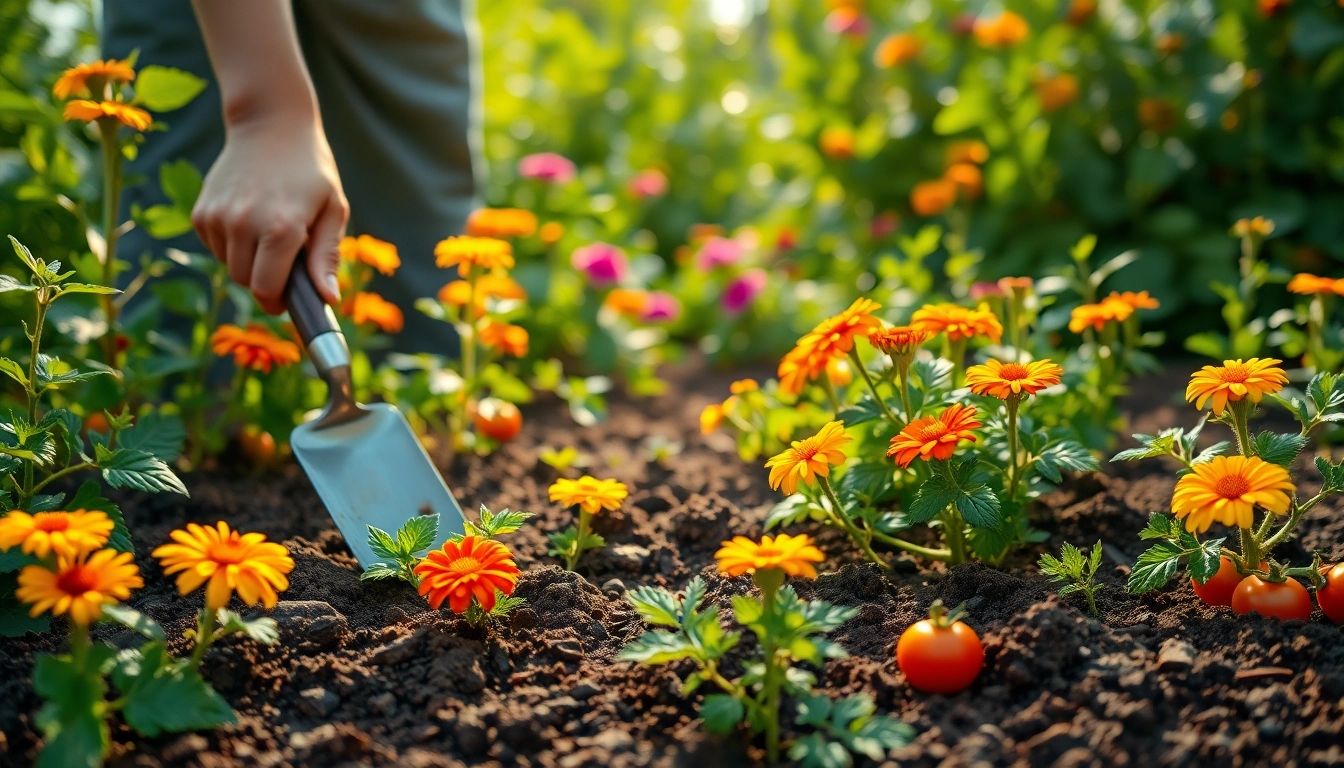
- Hand trowel: A versatile tool for digging, planting, and loosening soil.
- Pruning shears: Perfect for trimming dead or overgrown plants.
- Garden fork: Useful for aerating soil and mixing in compost.
- Watering can or hose: Ensuring your plants receive adequate moisture is crucial.
- Gardening gloves: Protect your hands from cuts, blisters, and dirt.
Choosing the Right Location for Your Garden
Location can greatly influence the success of your garden. Here are essential aspects to consider:
- Sunlight: Most plants require a minimum of 6-8 hours of sunlight each day. Observe your yard throughout the day to identify the sunniest spots.
- Accessibility: Your garden should be easy to access for regular maintenance, watering, and harvesting.
- Drainage: Choose an area where water does not pool after rain, which can lead to root rot.
Planning Your Garden Layout
Once you've grasped the basics, planning your garden layout is the next step. Effective planning not only maximizes the use of your space but also promotes a healthier garden environment.
Designing Garden Beds for Optimal Growth
Creating raised garden beds or designated plots can help in managing soil quality and improving drainage. Here are some tips for effective design:
- Size: Raised beds should typically be 4 feet wide to allow easy access from both sides without stepping into the soil.
- Soil depth: Aim for a soil depth of at least 12-18 inches to accommodate root growth.
- Pathways: Include pathways around your garden beds for easy access; they should be mulched or gravelled to minimize weed growth.
Companion Planting: Pairing Plants for Success
Companion planting is a gardening strategy that involves grouping plants that benefit each other. Examples include:
- Tomatoes and basil: Basil enhances the flavor of tomatoes and can repel pests.
- Carrots and onions: Each plant helps reduce pests that affect the other.
- Beans and corn: Beans provide nitrogen to the soil, benefiting corn, while corn offers natural support for climbing beans.
Seasonal Considerations in Gardening Planning
Understanding the seasons is vital for planting your garden at the right time. Different crops thrive in different seasons:
- Cool-season crops: These include peas, lettuce, and spinach, which grow well in spring and fall.
- Warm-season crops: Corn, tomatoes, and peppers flourish in summer. Plant them once the last frost date has passed.
- Perennials: These plants return season after season and should be arranged to provide blooms or crops throughout the year.
Soil Preparation and Management
The preparation of your soil is one of the most critical steps in gardening. Healthy soil leads to healthy plants.
Testing and Amending Soil Quality
Before planting, conducting a soil test helps assess nutrient levels, pH, and organic matter content. Use this information to amend the soil appropriately:
- Organic matter: Incorporate compost to enhance nutrient content and improve soil structure.
- Nitrogen-rich fertilizers: Use these to promote leafy growth in plants such as leafy greens.
- pH adjustment: Add lime to raise pH or sulfur to lower it based on your soil test results.
Understanding pH Levels and Nutrient Needs
Soil pH plays a crucial role in nutrient availability. Most plants prefer a pH between 6.0 and 7.0. Understanding your nutrient needs can help you select fertilizers and amendments that align with your plants’ specific requirements:
- Macronutrients: Essential elements like nitrogen, phosphorus, and potassium should be present in sufficient quantities.
- Micronutrients: Elements such as iron, zinc, and copper, though required in smaller amounts, are equally important for plant health.
Organic vs. Conventional Soil Practices
The debate between organic and conventional gardening practices revolves around soil management and plant care:
- Organic gardening: Focuses on natural amendments and pest control through biological means. This method promotes biodiversity and soil health.
- Conventional gardening: Often utilizes synthetic fertilizers and pesticides to enhance growth and control pests. While it might yield faster results, it can lead to long-term soil degradation.
Planting Techniques for Maximum Yield
Efficient planting techniques are vital for ensuring your plants maximize their growth potential. Here’s how to approach planting.
When and How to Plant Different Crops
Knowing the right timing and methods for planting different crops can profoundly affect their success. Examples include:
- Direct sowing: Seeds like carrots and radishes are best sown directly into the soil.
- Transplanting: Start seeds indoors and transplant them outdoors once they’ve grown strong enough, suitable for plants like tomatoes and peppers.
- Timing: Follow guidelines based on your hardiness zone to avoid planting too early or too late.
Watering Techniques for Healthy Plants
Proper watering is crucial; both overwatering and underwatering can damage plants:
- Drip irrigation: This system delivers precise amounts of water directly to the roots, minimizing waste.
- Soaker hoses: Lay soaker hoses along plant rows to allow for gradual watering.
- Timing: Water early in the morning or late in the evening to reduce evaporation.
Mulching and Its Benefits in Gardening
Mulching is an effective way to manage soil temperature, retain moisture, and suppress weeds:
- Organic mulches: Such as straw, grass clippings, and wood chips provide nutrients as they decompose.
- Inorganic mulches: Materials like landscape fabric can effectively suppress weeds without adding nutrients.
- Application depth: A layer of 2-4 inches of mulch is generally recommended for optimal benefits.
Maintaining and Harvesting Your Garden
Once your garden is planted, maintenance and eventual harvesting are crucial for your gardening success.
Pest Management Strategies for Home Gardens
Effective pest management safeguards your plants and yields. Strategies include:
- Regular monitoring: Check your plants regularly for signs of pest infestations.
- Natural predators: Introduce beneficial insects like ladybugs that prey on common pests.
- Homemade remedies: Apply neem oil or insecticidal soap as organic alternatives for pest control.
Signs of Plant Health and When to Harvest
Recognizing when your plants are healthy or ready for harvest is vital:
- Healthy appearance: Look for vibrant colors, sturdy stems, and healthy leaves.
- Harvesting signs: Day-length sensitive vegetables, like peas, signal ripeness through color and size changes.
- Timing: Regularly monitor your plants and adhere to recommended harvest times for best flavor and texture.
Seasonal Cleanup and Preparing for Next Year
At the end of the growing season, proper cleanup ensures the longevity and health of your gardening space:
- Removing dead plants: Clear out spent plants to prevent pests and diseases from overwintering.
- Composting: Utilize organic matter from your garden as compost to enrich your soil for the next season.
- Soil management: Consider planting a cover crop in the offseason to improve soil health and reduce erosion.
Gardening can be a deeply satisfying endeavor whether you have a vast plot of land or a small balcony. By understanding the basics, from preparation to maintenance, any gardener can cultivate not just plants, but a love for the land and what it yields.