Understanding Gardening Basics
What is Gardening?
Gardening is the art and practice of cultivating plants, including flowers, vegetables, fruits, and herbs, within a defined area. It serves not only as a means to grow food but also as a creative outlet and a way to connect with nature. Engaging in Gardening enriches one’s life, reduces stress, and positively impacts mental health. This multifaceted undertaking combines knowledge of horticulture, design, and land management, making it both a science and an art form.
Types of Gardening Techniques
There are various gardening techniques that cater to different preferences, goals, and spaces. Understanding these methods helps gardeners choose the best approach for their needs:
- Container Gardening: Ideal for small spaces, container gardening involves planting in pots, which can be placed on balconies, patios, or indoors. This technique offers flexibility and control over soil quality.
- Raised Bed Gardening: Raised beds allow for better soil drainage and easier access. They are efficient for growing vegetables, especially in urban areas where soil quality may be poor.
- Hydroponics: A method of growing plants without soil, hydroponics utilizes nutrient-rich water solutions. This technique is space-efficient and allows for year-round gardening.
- Vertical Gardening: A creative solution for limited gardening space, vertical gardening utilizes walls or vertical structures to grow plants upwards, making it visually appealing and practical.
- Permaculture: A sustainable approach, permaculture focuses on cultivating an ecosystem that mimics natural processes. It emphasizes biodiversity and resource conservation.
Essential Tools for Beginners
Equipping yourself with the right tools can make your gardening experience more productive and enjoyable. Here are essential tools that every beginner should consider:
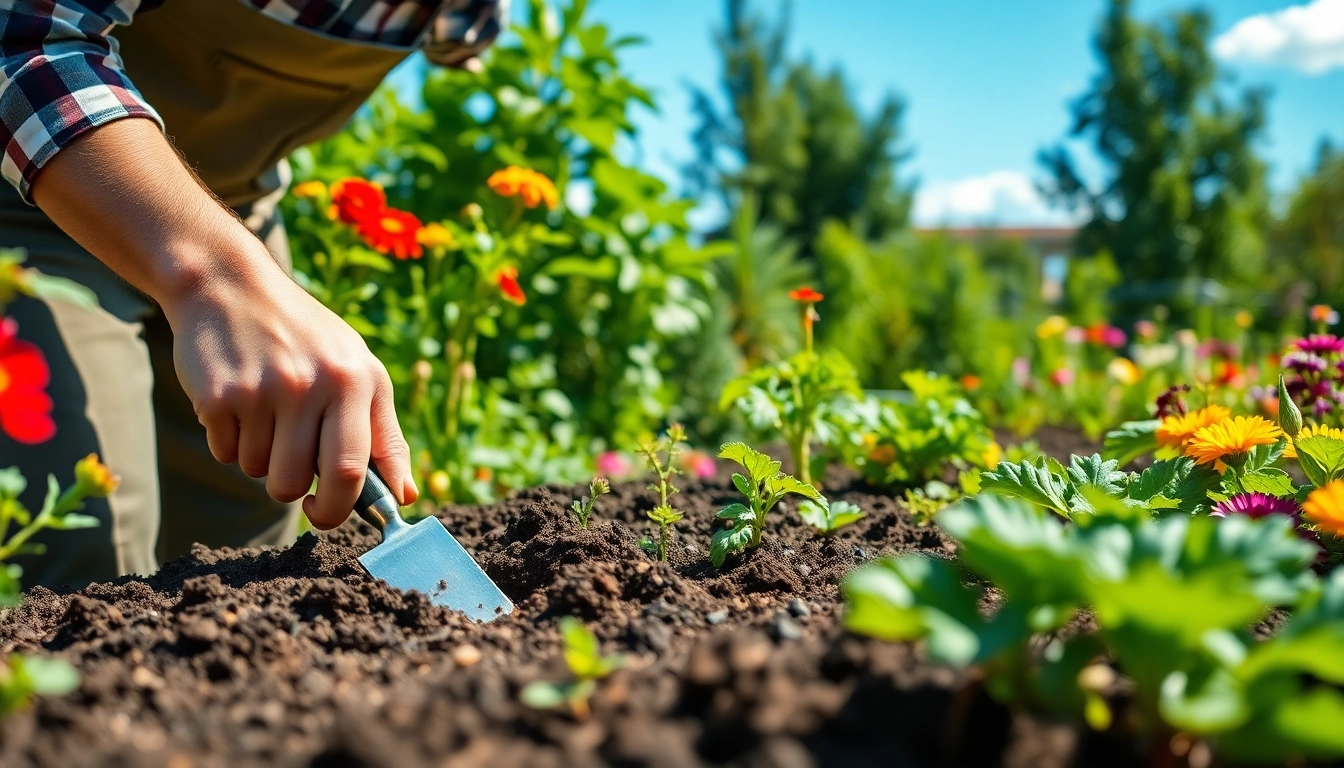
- Hand Trowel: This versatile tool is perfect for digging, planting, and transferring soil.
- Pruning Shears: Useful for trimming and shaping plants, pruning shears help maintain plant health.
- Gardening Gloves: Protect your hands from thorns, soil, and blisters while ensuring comfort during tasks.
- Watering Can: A must-have for keeping plants hydrated, especially when starting seedlings indoors.
- Spade: Ideal for digging larger holes or turning over soil, a spade is essential for deeper planting tasks.
- Trowel: For weeding and transplanting, a handheld trowel allows for precision in smaller areas.
Preparing Your Gardening Space
Assessing Sunlight and Soil Quality
Before planting, it’s crucial to evaluate the amount of sunlight your garden space receives. Most vegetables and flowers require at least six hours of direct sunlight daily. Observe the area throughout the day to identify sunlight patterns. Additionally, soil quality is paramount for plant growth:
- Soil Test: Conduct a soil test to determine pH levels and nutrient content. This will inform any amendments needed for optimal growth.
- Soil Texture: Assess soil texture (sandy, loamy, clayey) affects drainage and nutrient retention, influencing the choice of plants.
- Organic Matter: Enhance soil quality by incorporating compost or well-rotted manure to enrich nutrients and improve soil structure.
Choosing the Right Plants
Selecting suitable plants is vital for gardening success. Consider the following factors:
- Climate: Choose plants that thrive in your local climate. Consult local gardening resources or extension services for advice.
- Growth Habit: Understand whether you want annuals, perennials, or biennials based on your gardening goals.
- Pest Resistance: Opt for pest-resistant varieties to reduce maintenance and chemical use in your garden.
Setting Up a Watering System
A reliable watering system is essential for maintaining healthy plants. Here are some options:
- Drip Irrigation: This efficient method delivers water directly to the roots, minimizing water waste and reducing fungal diseases.
- Soaker Hoses: A simpler alternative that allows water to seep through the hose, ideal for flower beds and vegetable patches.
- Manual Watering: For smaller gardens or specific plants, using a watering can or hose can provide efficient watering control.
Advanced Gardening Practices
Companion Planting Techniques
Companion planting is the practice of growing two or more plant species together to enhance growth, deter pests, and improve crop yield. Some common companion planting pairings include:
- Tomatoes and Basil: This classic pairing enhances flavor and repels certain pests.
- Carrots and Onions: These plants can mask each other's scents, helping to deter pests.
- Beans and Corn: Beans fix nitrogen in the soil, providing nutrients that corn can use for vigorous growth.
Organic Gardening Methods
Organic gardening focuses on using natural processes to grow plants without synthetic fertilizers or pesticides. Here are key strategies:
- Crop Rotation: Changing the location of crops each season can prevent soil depletion and reduce pest buildup.
- Natural Pest Control: Encouraging beneficial insects (like ladybugs) and using natural repellents can help manage pests without chemicals.
- Organic Fertilizers: Utilize compost, fish emulsion, or manure to provide nutrients while enhancing soil health.
Utilizing Season Extension Tools
To maximize your gardening season, consider employing tools that extend growing periods. These may include:
- Cold Frames: These simple structures trap heat to protect plants from frost and cold temperatures.
- Row Covers: Lightweight fabric covers provide insulation and protect plants from pests and harsh weather.
- Greenhouses: A more significant investment, greenhouses create controlled environments for year-round growing.
Common Gardening Challenges and Solutions
Pest Management Strategies
Managing pests effectively is crucial for maintaining a healthy garden. Numerous strategies can be implemented:
- Cultural Practices: Practices like rotating crops, selecting pest-resistant varieties, and keeping the garden tidy can deter pest infestations.
- Biological Controls: Introduce natural predators (e.g., ladybugs for aphids) to naturally manage pest populations.
- Organic Pesticides: Options like neem oil or insecticidal soaps can be effective against a range of pests while being safe for the environment.
Dealing with Weather Variability
Climate variability can impact your garden significantly. Prepare by:
- Mulching: Apply organic mulch to help maintain soil moisture and regulate temperature.
- Water Management: Ensure proper drainage and consider building raised beds to avoid waterlogging during heavy rain.
- Frost Protection: Be proactive by covering plants on expected frost nights with blankets or frost cloths.
Soil Health Improvement Techniques
Healthy soil is the foundation of a successful garden. Enhance soil health by:
- Adding Organic Matter: Incorporate compost or leaf mold to improve soil structure and increase fertility.
- Cover Crops: Plant cover crops during off-seasons to prevent erosion, improve soil fertility, and enhance biodiversity.
- Minimizing Tillage: Reduce soil disturbance to maintain its natural structure and microbial life.
Measuring Your Gardening Success
Evaluating Plant Growth and Yield
To assess the success of your gardening efforts, evaluate the growth and yield of your plants:
- Growth Rate: Monitor how quickly different plants grow, which can help in adjusting care practices for optimal results.
- Harvest Quantity: Keep track of how much produce each plant yields to assess what works best for your specific conditions.
- Quality Assessment: Evaluate the taste and appearance of fruits and vegetables, which ensures you are cultivating the highest-quality harvest.
Record Keeping for Future Improvements
Keeping records of gardening practices and outcomes enables better planning and execution in future seasons:
- Garden Journal: Maintain a journal documenting which plants were grown, their locations, and any issues faced during growth.
- Successes and Failures: Note what worked and what didn’t, including any pest problems or weather challenges.
- Seasonal Tasks: Create seasonal checklists to stay organized and efficient throughout the gardening year.
Community Engagement and Sharing Gardening Wins
Engaging with fellow gardeners can provide support and inspiration:
- Join Local Gardening Clubs: These clubs offer great resources, networking opportunities, and shared knowledge.
- Participate in Workshops: Workshops can enhance your gardening skills and introduce you to new techniques.
- Social Media Groups: Leverage platforms like forums or social media for sharing successes, challenges, and tips with a larger audience.