Understanding Colonial Home New Build Construction
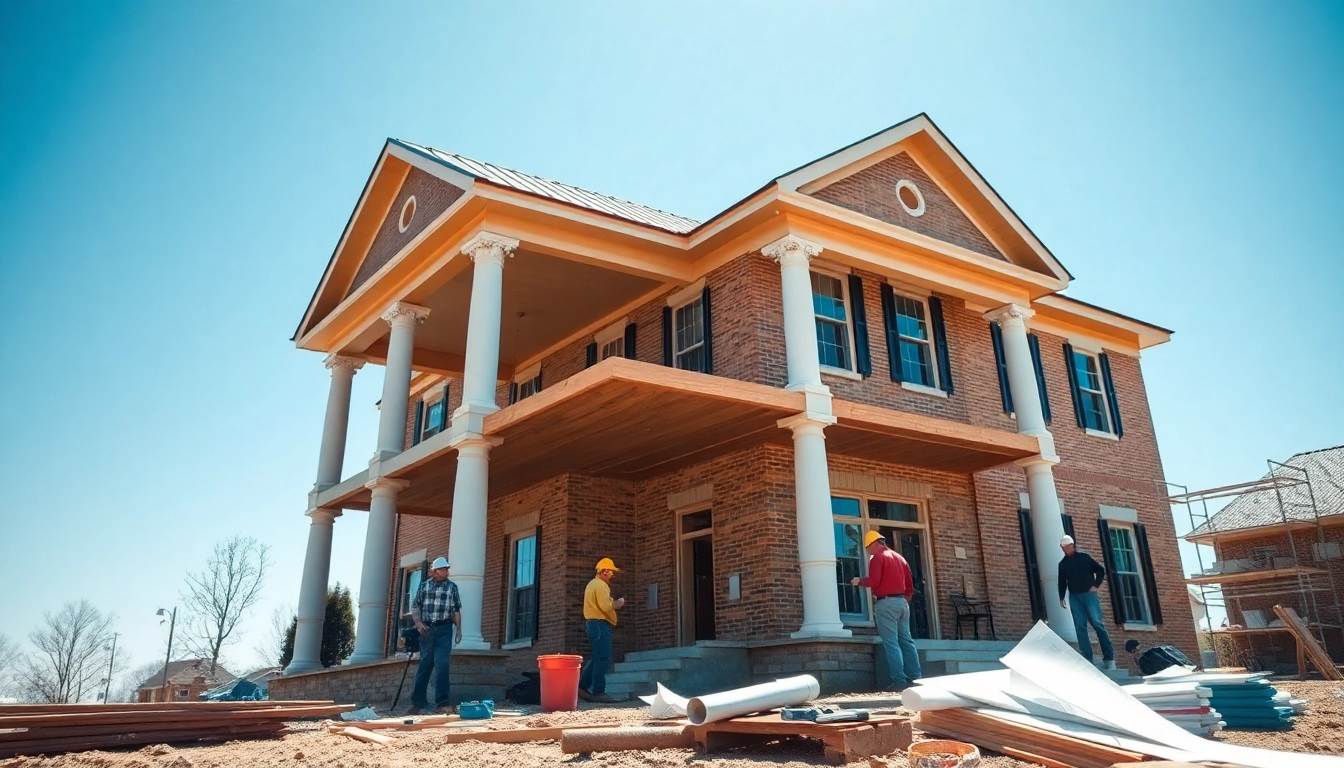
Colonial homes have long captivated homeowners with their rich history and classic aesthetic appeal. As you embark on a colonial home new build construction project, it's essential to understand the intricacies involved—from the architectural style to the planning process. In this article, we will explore the various elements that define colonial homes, essential steps to consider when building, and the techniques and styles that make colonial home construction unique.
Defining Colonial Architecture Styles
Colonial architecture refers to a range of styles that were used from the 1600s through the 1800s, heavily influenced by the European architectural trends of the time. Understanding the different styles can greatly inform how you design your new build. The most common types of colonial architecture include:
- Georgian Colonial: Characterized by symmetry and proportions, often featuring red brick or wooden siding.
- Federal Colonial: An evolution of Georgian architecture, marked by decorative elements like fanlights and pilasters.
- Dutch Colonial: Known for its gambrel roof, this style often incorporates large overhanging eaves.
- Spanish Colonial: Featuring stucco exteriors and tile roofs, it reflects Mediterranean influences.
Each style has its unique characteristics and offers a distinctive feel for your new home. Understanding these nuances can help you select the right components for your design.
Key Elements of Colonial Home Design
Colonial homes are typically marked by several signature design elements, including:
- Symmetrical Facades: A hallmark of colonial design, emphasizing balance and proportion.
- Gabled Roofs: These roofs often contribute to the classic aesthetic and help in water drainage.
- Evenly Spaced Windows: Typically multi-paned, they enhance the symmetry and provide ample natural light.
- Classic Doorways: Often adorned with decorative crowns or transoms, entrance doors are focal points.
By incorporating these key elements into your new build, you preserve the authenticity of colonial architecture while meeting modern living standards.
Benefits of Building a Colonial Home
There are several compelling reasons to consider building a colonial home:
- Timeless Aesthetic: The colonial style has remained popular for centuries, ensuring your home will have enduring appeal.
- Spacious Layout: Colonial designs often feature well-thought-out floor plans that promote functionality.
- Energy Efficiency: Modern construction techniques can enhance the energy efficiency of traditional designs, resulting in lower utility costs.
- Historical Authenticity: There’s a sense of connection to the past, which can enrich your living experience.
Incorporating colonial aesthetics into your new construction provides not only beauty but also practicality, making it a worthwhile investment.
Planning Your Colonial Home New Build Construction
The planning phase of building your colonial home can significantly influence the outcome of your project. Thorough preparation sets the foundation for a successful build.
Essential Pre-Construction Steps
Effective planning begins with several critical pre-construction steps:
- Conducting a Feasibility Study: Assess local zoning laws, building codes, and environmental concerns that may impact your project.
- Designing a Functional Layout: Work with architects to create a floor plan that reflects both your needs and colonial design elements.
- Consulting with Experts: Engage builders, engineers, and historians when necessary to ensure that your design aligns with colonial principles.
A comprehensive approach to planning will help streamline the construction process and mitigate potential issues.
Choosing the Right Location for Your Build
Location is one of the most crucial factors in your home-building journey. Consider the following when selecting a site:
- Access to Amenities: Look for proximity to schools, parks, and shopping centers to enhance your lifestyle.
- Community Aesthetic: Ensure the neighborhood complements the colonial architectural style to maintain historical integrity.
- Land Characteristics: Evaluate the land for drainage, sunlight, and topography, which will impact construction and living comfort.
Choosing the right location will significantly affect your home’s value and your enjoyment of the property.
Setting a Realistic Budget for Your Project
Budgeting is essential for any construction project. Start by assessing the following:
- Land Costs: Include not only the price of the land but also expenses related to clearing and preparing the site.
- Construction Costs: Factor in labor, materials, and any permits needed for building.
- Interior Design: Allocate funds for furnishings, finishes, and design elements that match your colonial theme.
By establishing a flexible yet firm budget, you can avoid overspending and make informed decisions throughout your construction process.
Construction Techniques for Colonial Homes
When it comes to building colonial homes, various construction methods can be employed. Choosing the right approach can lead to a successful, long-lasting structure.
Traditional vs. Modern Methods
Colonial homes were classically built with robust materials and techniques that have stood the test of time. Here, we evaluate both traditional and modern construction methods:
- Traditional Techniques: These often include timber framing or masonry, featuring solid wood or brick structures that can endure harsh weather.
- Modern Techniques: Advances in technology allow for quicker builds utilizing engineered materials, which can enhance durability and energy efficiency.
Carefully weighing the pros and cons of each method can help you decide on a construction approach that balances heritage and practicality.
Selecting Quality Materials
Material selection is critical in achieving the desired finish and longevity for your colonial home:
- Wood: Commonly used for framing and exteriors, hardwood is both durable and historically accurate.
- Brick: Offers a classic touch and superior energy efficiency, making it a practical choice for facades.
- Stone: For foundations and landscaping, stone can enhance the rustic charm of a colonial home.
Investing in quality materials ensures that your new build not only looks beautiful but stands the test of time.
Ensuring Structural Integrity in Your Construction
Maintaining structural integrity is vital to protect your investment. Key considerations include:
- Foundation Inspection: Conduct thorough assessments to ensure the ground can support your home.
- Best Practices for Framing: Utilize proven techniques to avoid common issues like settling or warping.
- Weatherproofing: Ensure that materials used can withstand local weather conditions to protect against damage.
By prioritizing structural integrity, you can ensure that your colonial home remains safe and sturdy for years to come.
Designing Interior Spaces in Colonial Homes
Interior design in colonial homes reflects the elegance of their external architecture. Thoughtful design can enhance both aesthetics and functionality.
Incorporating Classic Colonial Elements
When designing your interiors, consider classic colonial features such as:
- Bullseye Moldings: Recognize the beauty of round moldings around doors and windows, adding historic charm.
- Built-in Bookcases: These not only offer storage but also contribute to a homey atmosphere.
- Paneling: Wood paneling adds warmth and texture, characteristic of traditional colonial interiors.
Incorporating these elements will preserve the authentic feel of your colonial home.
Maximizing Functionality and Aesthetics
Beyond aesthetics, your interior design should focus on utility:
- Open Spaces: Consider open floor plans that facilitate movement and interaction, especially in living areas.
- Smart Storage Solutions: Implement creative storage to keep spaces organized and clutter-free.
- Natural Light: Optimize window placement to harness natural light, making spaces feel more inviting.
Balancing beauty and functionality will create a home that you and your family will enjoy for years to come.
Choosing Color Schemes and Decor
Color and decor play a significant role in setting the mood of your spaces:
- Traditional Palette: Earthy and muted tones often reflect the colors used historically in colonial homes.
- Accent Colors: Incorporate bold colors in accessories or furniture to create focal points in rooms.
- Period-Inspired Decor: Use furniture and artwork that reflects the colonial period to enhance authenticity.
A thoughtfully curated color scheme can elevate your home’s character while staying true to its heritage.
Maintenance and Longevity of Colonial Homes
The longevity of your colonial home partly depends on vigilant maintenance and care. By understanding common issues and how to address them, you can ensure your home remains in excellent condition.
Regular Upkeep for Traditional Features
Colonial homes often boast classic features that require regular upkeep:
- Roof Maintenance: Regular inspections and repairs are essential to prevent leaks and structural damage.
- Exterior Care: Repainting or steining wooden components regularly to fend off rot is crucial.
- Window Restoration: Keep wooden windows in top shape to maintain energy efficiency and aesthetics.
By committing to regular maintenance, you can preserve the beauty and integrity of your colonial home.
Common Issues and How to Address Them
Even with robust construction, colonial homes may encounter several issues over time:
- Settling: Monitor and address any structural shifts promptly to prevent further damage.
- Pest Problems: Regular inspections and treatments may be needed to protect your home from termites and other pests.
- Weathering: Stay ahead of wear-and-tear by applying sealants and paints to affected areas.
By being proactive about these common challenges, you can uphold the value and charm of your colonial residence.
Investing in Long-Term Care Solutions
A wise investment in your colonial home goes beyond immediate repair needs:
- Energy-Efficient Upgrades: Consider adding insulation or energy-efficient windows to improve comfort and reduce costs.
- Long-Lasting Materials: When replacing features, opt for materials that offer longevity and reduced maintenance needs.
- Professional Services: Hire experts for masonry and renovations to ensure work aligns with historical fidelity.
Through strategic long-term care solutions, you can significantly increase your colonial home's lifespan and history.
Frequently Asked Questions
What are the primary features of colonial home architecture?
Colonial homes typically feature symmetrical facades, gabled roofs, and evenly spaced windows, emphasizing balance and proportion.
How long does the construction of a colonial home take?
The construction timeline varies but generally ranges from 6 months to over a year, depending on the complexity and size of the build.
What materials are best for building a colonial home?
Wood and brick are popular choices for their structural integrity and classic appeal, with stone often used for foundations and landscaping.
Can I customize the design of a colonial home?
Yes, many aspects can be customized while retaining the colonial architectural style, allowing for modern conveniences and personal touches.
What are the benefits of choosing a colonial home?
Colonial homes offer timeless beauty, spacious layouts, and a sense of historical authenticity, making them an attractive option for homeowners.