Understanding the MV88 Microphone
The MV88 is a versatile, high-quality mobile microphone that caters to audio enthusiasts and professionals alike. Developed by Shure, this compact device is designed for use with iOS devices, transforming them into powerful recording tools capable of capturing pristine audio. Its unique features and robust technical specifications set it apart in the realm of portable microphones, making it a popular choice among musicians, podcasters, and content creators.
With the MV88, the importance of audio quality cannot be overstated. In a world where every detail counts, having the right tools—such as the MV88—can make a significant difference in your audio recordings. Whether you are an aspiring musician, a filmmaker, or a podcaster, understanding how to optimize this microphone will enhance your creative output immensely. For more effective results, you can explore MV88 products that complement your recording setup.
What Makes the MV88 Unique?
The MV88 stands out for several reasons, particularly its ability to deliver high-fidelity audio in a compact design. This microphone utilizes a digital connection via Lightning, ensuring a direct link to iOS devices without the need for bulky adapters. Its 90-degree adjustable design is another unique feature, allowing users to capture sound from various angles, making it perfect for both solo and group recordings.
Moreover, the MV88 is equipped with an integrated preamp and an advanced digital signal processing (DSP) system that optimizes sound quality. Users can select from different polar patterns—cardioid, bidirectional, and mono—tailoring the microphone's performance to suit specific recording situations. This level of customization is rare among mobile microphones, positioning the MV88 as a top choice for those seeking superior sound quality.
Key Features and Technical Specs
- Connection Type: Lightning connector for iOS devices
- Polar Patterns: Cardioid, bidirectional, and mono
- Frequency Response: 20 Hz - 20 kHz
- Bit Depth and Sample Rate: 24-bit/96 kHz
- Adjustable Angle: 90-degree rotation for flexible positioning
- Integrated DSP: Customizable settings for specific audio requirements
These technical specifications contribute to the MV88's ability to capture detailed audio while minimizing background noise, a common hurdle in many recording scenarios.
Comparing MV88 with Other Microphone Models
When compared to other portable microphones on the market, the MV88 offers several advantages. For instance, while models like the Rode VideoMic Me are highly regarded for their directional pickup capabilities, they lack the versatility of the MV88's adjustable polar patterns and integrated DSP. Similarly, Sennheiser's Memory Mic is a great option for video recording, yet it may not match the audio fidelity of the MV88.
Moreover, the MV88's ability to connect directly to iOS devices eliminates the hassle of extra equipment, a notable consideration for mobile recording. In contrast, other microphones often require additional adapters or mixers, making the MV88 an attractive option for users looking for simplicity and quality. This comparison highlights the MV88’s innovative design and engineering excellence, setting a high standard for mobile audio recording solutions.
Setting Up the MV88 for Optimal Performance
Required Equipment and Accessories
To get the most out of your MV88, certain equipment and accessories should be considered. Firstly, ensure you have a compatible iOS device with a Lightning port, as this is essential for connecting the microphone. Additionally, a reliable recording app is necessary; popular choices include Shure’s MOTIV app, GarageBand, or any digital audio workstation (DAW) that supports external microphones.
You might also want to invest in a protective case or microphone stand to enhance stability during recordings. While the MV88 is designed for handheld use, using a stand can help eliminate handling noise and improve audio consistency. Additionally, consider a windscreen, especially if you’ll be recording outdoors, to minimize wind noise.
Step-by-Step Setup Guide
- Connect the MV88: Plug the MV88 into the Lightning port of your iOS device.
- Install the Necessary App: Download the Shure MOTIV app or your preferred audio recording app.
- Select Polar Pattern: Open the app and choose the appropriate polar pattern for your recording scenario — cardioid for vocals, bidirectional for interviews, and so on.
- Adjust Gain Levels: Set the gain levels correctly to avoid distortion; the app allows for fine-tuning.
- Test the Microphone: Perform a test recording to ensure sound quality is satisfactory.
This step-by-step guide ensures that users can confidently set up their MV88, paving the way for effective recording sessions.
Troubleshooting Common Issues
While the MV88 is generally user-friendly, several common issues may arise during use. Here are a few troubleshooting tips to keep in mind:
- No Sound: Ensure the microphone is properly connected to the iOS device and that the app is configured correctly.
- Poor Sound Quality: Check if the gain levels are too high or set the wrong polar pattern for your recording scenario.
- App Crashing: Restart the app or your device—ensure that your iOS version is compatible with the microphone.
- Background Noise: Reassess microphone placement and consider using the cardioid setting to isolate the desired sound source.
By following these troubleshooting tips, users can address common issues quickly and effectively, minimizing disruptions to their creative process.
Best Practices for Recording with the MV88
Choosing the Right Environment
The environment plays a pivotal role in audio recording quality. Selecting a quiet space can significantly reduce background noise and enhance sound clarity. Ideally, work in an area with soft furnishings that absorb sound, such as carpets and curtains, to minimize reflections and echoes.
If you find yourself needing to record in a less-than-ideal location, consider using sound blankets or portable isolation booths to help dampen surrounding noise. Experimenting with different spaces will also help you understand how various environments affect your recordings.
Microphone Placement Techniques
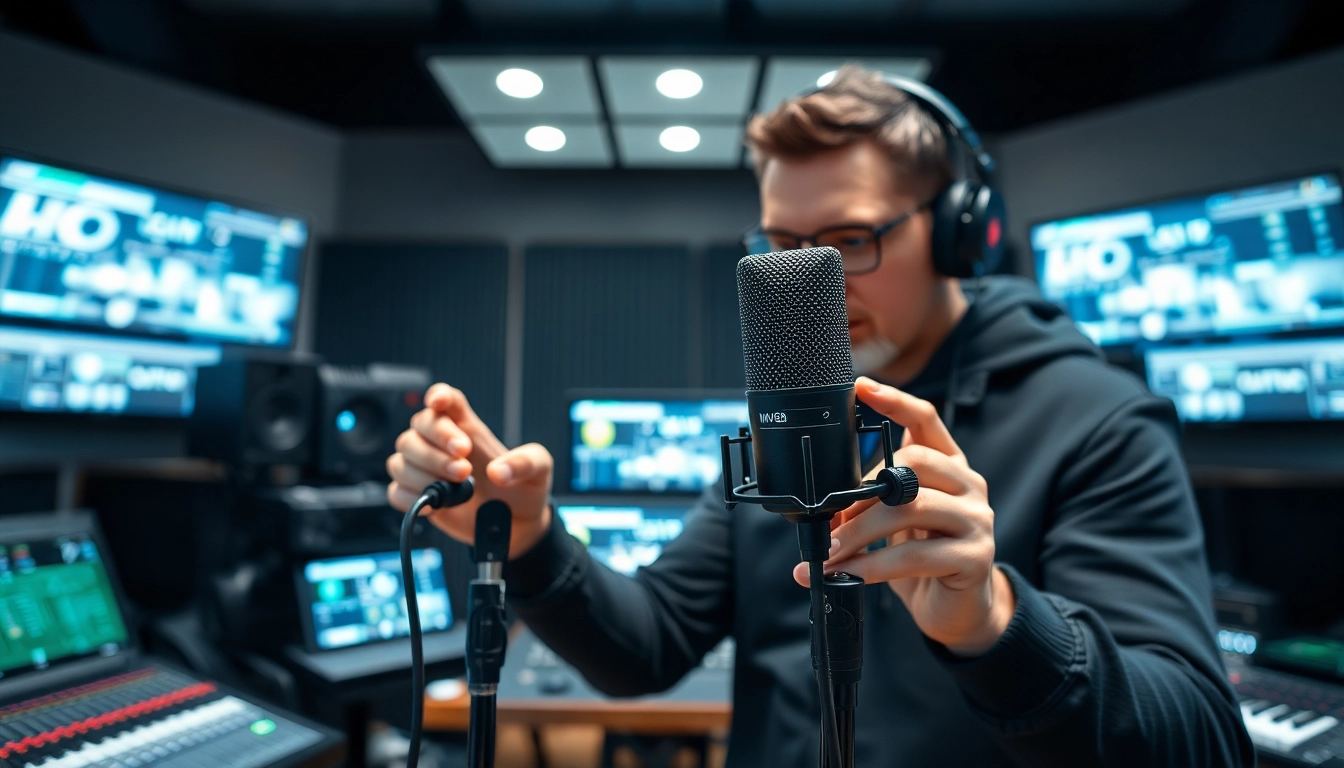
Proper microphone placement is critical for capturing clear audio. For vocals, position the MV88 about six inches from the mouth to achieve a balanced sound without distortion. When recording instruments, placement will vary. For acoustic guitars, placing the microphone near the sound hole can yield rich tones, while for percussion, capturing the sound close to the source without being too intrusive will help achieve an authentic sound.
Utilizing the MV88's adjustable angle is advantageous for reaching spots that would otherwise be difficult. Instead of moving the entire recording setup, a small adjustment to the microphone's angle can make a big difference in sound quality, providing more flexibility in creative setups.
Adjusting Settings for Different Situations
The MV88 features adjustable settings that can be customized depending on the recording circumstances. For vocal recordings, utilizing the cardioid pattern helps focus on the voice while minimizing side and rear sounds. In contrast, when interviewing multiple people, the bidirectional pattern can capture each speaker effectively.
Experiment with gain levels as well—too low can result in background noise, while too high can cause clipping. Familiarity with the settings allows you to tailor recordings to fit your unique needs, ultimately enhancing the quality of your outputs.
Advanced Techniques for Professional Sound
Using Effects and Processing
Once the audio is recorded, applying effects during post-production is essential for achieving a professional sound. Popular effects include reverb, delay, equalization, and compression. Using a DAW, take the time to polish your recordings, ensuring each element sits well within the mix.
For example, adding a subtle reverb can create a natural ambiance, while using compression can ensure that louder and softer sounds are leveled, making all aspects of the recording audible. Balance is key, particularly in music and podcasting, where clarity is vital.
Capturing In-Depth Soundscapes
For those looking to capture immersive soundscapes—whether for music production, film, or ambient recordings—the MV88 can deliver stunning results. Utilize the stereo mode to capture the environment's spatial characteristics, providing depth and presence in your audio.
Experiment with crowd sounds, natural vistas, or unique urban environments, combining several recording techniques and settings to create an engaging auditory experience. This level of detail can enhance projects significantly, creating a more profound connection with listeners.
Mixing and Editing Your Recordings
The final step in achieving high-quality audio is effective mixing and editing. Begin by organizing tracks in your DAW, ensuring that each element is clearly defined. Use EQ to carve out space for each instrument or voice, allowing them to shine in the mix without clashing.
Dynamic processing will also play an essential role in shaping the overall sound. Apply compression evenly across tracks to unify them, linking melodic elements and vocal lines in ways that are appealing. Don’t forget to automate volume levels to ensure that all parts of your recording maintain a dynamic balance, creating a polished finish that resonates with your audience.
Real-World Applications of the MV88
Popular Uses in Music and Film
The MV88's versatility makes it an excellent tool for various applications in music and film production. Many musicians use it for recording demos or tracks directly from their iPhone or iPad, providing a straightforward way to capture ideas without setting up extensive studio gear.
In film, the MV88 can capture high-quality dialogue and ambient sounds, often used in documentary filmmaking where mobility and quality are critical. Its compact design allows filmmakers to use it when equipment space and weight are constrained, solidifying its role as a preferred option for independent productions.
Interviews and Podcasts
Podcasts have surged in popularity, and the MV88 has become a go-to microphone for podcasters looking to elevate their audio quality. Its ease of use and portability mean that interviews can happen anywhere, whether it’s at home, in a café, or on location. The ability to choose different polar patterns further enhances its appeal, allowing creators to tailor the microphone's performance based on interview dynamics.
This adaptability not only meets the demands of different recording environments but also enriches the conversation, providing audiences with an engaging listening experience.
Feedback and Reviews from Users
User feedback on the MV88 consistently highlights its exceptional sound quality and ease of use. Many praise its compactness, noting it as an ideal solution for traveling musicians and content creators who require professional audio on the go. The microphone has garnered favorable reviews for its ability to deliver clear and detailed sound, even in less-than-ideal environments.
Furthermore, users often commend the flexibility of its settings, allowing even novice users to achieve great results. This positive feedback has established the MV88 as a trusted tool for those who demand high-quality audio without the burden of complex setups.