Understanding Gardening Fundamentals
Gardening is more than just planting a few seeds in the ground; it's a comprehensive practice that combines art, science, and personal well-being. When we talk about Gardening, we refer to the cultivation of plants, be it for sustenance, beauty, or environmental sustainability. Diving into the fundamentals of gardening can unlock a world where you can reap not only the fruits of your labor but also emotional and mental benefits.
What is Gardening?
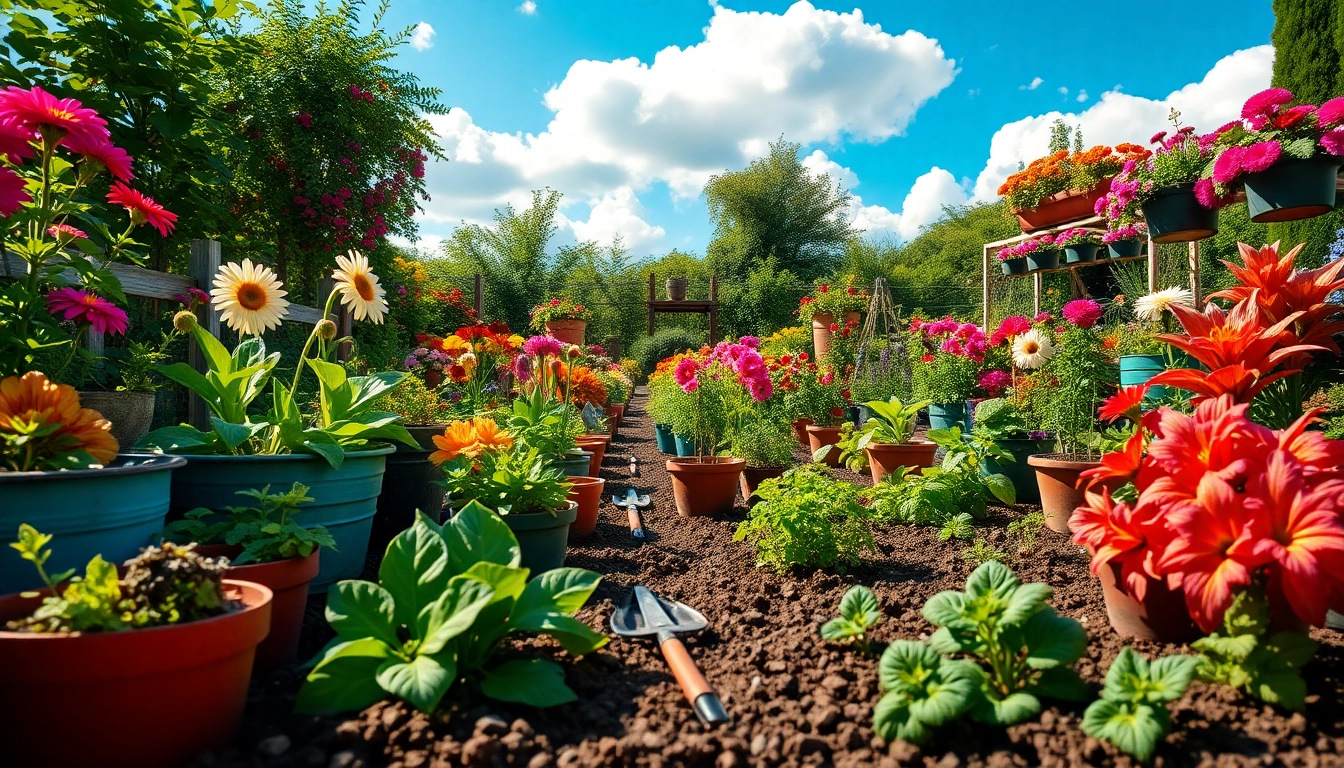
Gardening is the act of growing and cultivating plants as part of horticulture. It involves complex interactions among plants, animals, and soil. There are numerous categories of gardening such as vegetable gardening, flower gardening, herb gardening, and even indoor gardening. Each type has distinct techniques and methods tailored to optimize plant growth and aesthetics.
Benefits of Gardening for Well-being
Engaging in gardening has profound benefits for mental and physical health. Studies have shown that spending time outdoors and interacting with nature can reduce stress, boost mood, and enhance overall well-being. Additionally, gardening offers a sense of accomplishment that comes from nurturing living things. This satisfaction can lead to increased self-esteem and happiness.
Essential Gardening Tools to Get Started
To embark on your gardening journey, it's crucial to have the right tools. Here are some essentials:
- Hand trowel: Perfect for digging small holes, transplanting seedlings, and breaking up soil.
- Pruning shears: Necessary for maintaining plants by trimming excess growth.
- Garden fork: Useful for turning soil and mixing in compost.
- Watering can or hose: Essential for keeping your plants hydrated.
- Gardening gloves: Protect your hands while working.
Choosing the Right Plants for Your Garden
Selecting plants tailored to your gardening objectives and local climate is vital. Different plants thrive under different conditions, and understanding these can lead to a flourishing garden.
Vegetable Gardening: Best Crops to Grow
In vegetable gardening, the choice of crops is key. Depending on the season and local climate, some great starter crops include:
- Tomatoes: Require plenty of sunlight and well-drained soil.
- Lettuce: Grows quickly and can be harvested within weeks.
- Carrots: Thrive in loose, sandy soil where they can grow straight.
- Zucchini: High-yielding and easy for beginners.
Flower Gardening: Selecting Colorful Blooms
Flowers add beauty and fragrance to any garden. When selecting flowers, consider the bloom time and environmental conditions:
- Marigolds: Bright and hardy, perfect for beginner gardeners.
- Petunias: Versatile and can flourish in almost any environment.
- Sunflowers: Known for their height and bold colors, they attract pollinators.
Herb Gardening: Aromatic Plants for Every Space
Herbs can fit into any gardening style, be it in pots or garden beds. Popular herbs include:
- Basil: Great for cooking, requires warm temperatures for optimal growth.
- Mint: Very hardy, but can spread rapidly; best to contain it.
- Rosemary: A perennial herb that thrives in sunny, well-drained areas.
Soil Preparation and Maintenance
The foundation of a healthy garden starts with soil preparation. The quality of your soil directly affects plant health and yield.
Testing Soil Health: Importance and Methods
Understanding your soil’s composition and pH level is crucial. Soil testing can help identify nutrient deficiencies and guide amendments. You can acquire a soil testing kit through local agricultural extensions or buy one online. This process generally involves:
- Collecting soil samples from different locations in your garden.
- Following the instructions on the testing kit to analyze nutrients and pH levels.
- Sending samples to a laboratory if more comprehensive analysis is needed.
Improving Soil Quality for Better Growth
Incorporating organic matter such as compost or well-rotted manure into your soil can significantly improve its structure and nutrient content. Furthermore, mulching helps retain moisture, suppresses weeds, and regulates soil temperature.
Composting Techniques for Sustainable Gardening
Creating compost is a sustainable way to recycle kitchen scraps and yard waste into nutrient-rich soil. Here’s how to start:
- Select a compost bin or heap location: This should be well-drained and ideally in a sunny area.
- Add materials: Include a mix of greens (nitrogen-rich materials) and browns (carbon-rich materials).
- Maintain the compost: Turn your compost regularly to provide aeration and moisture.
Watering and Irrigation Strategies
Watering is a crucial aspect of maintaining healthy plants. Understanding efficient watering and irrigation systems can conserve resources and enhance growth.
Best Practices for Watering Your Garden
When it comes to watering, the timing and technique matter. Here are some best practices:
- Water in the early morning or late afternoon to reduce evaporation.
- Deep watering encourages deeper roots, which help plants withstand drought.
- Use mulch to retain soil moisture.
Understanding Irrigation Systems
Various irrigation systems can suit different gardening styles and needs:
- Drip irrigation: Delivers water directly to the roots, minimizing wastage.
- Sprinkler systems: Ideal for covering larger garden areas but may lead to evaporation losses.
- Soaker hoses: Provide slow, even watering and are great for vegetable gardens.
Maximizing Water Efficiency in Gardening
Water-efficient garden practices are not only sustainable but also save money and time. Rain barrels can be used to collect and store rainwater for later use. Moreover, planting native species that require less water can significantly enhance sustainability.
Advanced Gardening Techniques
Once the fundamentals are grasped, gardeners can explore advanced techniques that promote ecological balance and aesthetic growth.
Organic Gardening Practices for Healthier Crops
Organic gardening avoids synthetic fertilizers and pesticides, fostering biodiversity. Techniques include:
- Crop rotation to prevent soil depletion and disease.
- Using organic pest control methods, such as introducing beneficial insects.
- Practicing companion planting to enhance growth and deter pests.
Permaculture Principles in Home Gardening
Permaculture is a design principle that seeks to create sustainable and self-sufficient systems. Key principles include:
- Observation: Understanding local ecosystems before planting.
- Diversity: Cultivating a wider variety of plants for a resilient garden.
- Designing with nature: Creating layouts that work within the local environment and climate.
Integrating Design Aesthetics into Your Gardening
While gardening is about functionality, incorporating design elements can enhance beauty and usability. Consider:
- Vertical gardening for small spaces adds dimension.
- Pathways and seating areas create a welcoming environment.
- Incorporating water features can promote biodiversity and provide relaxation.
Gardening has the potential to transform your well-being, enhance your living space, and contribute positively to the environment. By following these fundamental and advanced techniques, you can cultivate a thriving garden that flourishes season after season.