The Current State of EV Charging News
The electric vehicle (EV) market is surging, with charging infrastructure evolving at a rapid pace to meet the needs of consumers. However, EV charging news indicates that despite these advancements, there is still significant consumer hesitation regarding the adoption of electric vehicles. Understanding the landscape of EV charging is crucial for both current EV owners and potential buyers as they navigate this transformative period in transportation. This article explores the current state of EV charging, including infrastructure, technology developments, and the challenges faced as we move towards a more electrified automotive future.
Overview of EV Charging Infrastructure
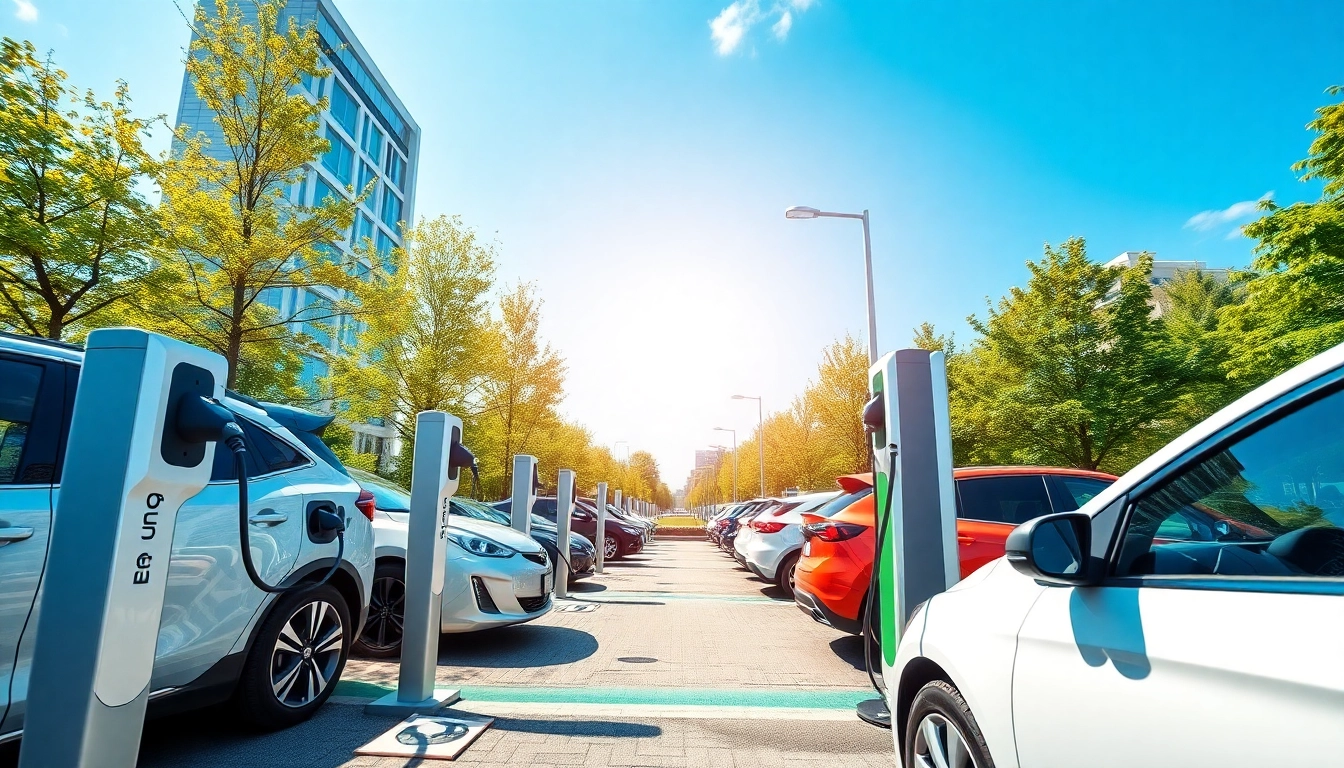
As of late, the EV charging infrastructure in the United States has been expanding steadily, thanks to government initiatives and increasing investments from private companies. The rollout of public charging stations has commonly focused on two primary types: Level 2 AC chargers and DC fast chargers. These stations can often be found at locations such as shopping centers, office buildings, and gas stations.
While Level 2 chargers are slower and typically found in residential areas or workplaces, they are capable of delivering an adequate charge in several hours. Conversely, DC fast chargers can significantly reduce charging time to as little as 30 minutes, appealing to those with limited time to spare.
Despite the growing number of charging stations, their availability remains uneven across regions, often correlating with the local demand for electric vehicles. Urban areas tend to have more charging infrastructure than rural ones, leading to potential disparities in EV access. Reports indicate an increasing need for integration of home charging solutions, thereby providing flexibility for EV owners while also addressing infrastructure gaps.
Popular Types of EV Chargers
In understanding the landscape of charging options, it is vital to distinguish among the various types of EV chargers available today. Broadly, the charging types include:
- Level 1 Chargers: Utilize a standard 120-volt household outlet. They are the slowest chargers, suitable for overnight or situational charging.
- Level 2 Chargers: Operate on a 240-volt outlet and are commonly seen in public charging stations and homes equipped with charging units. They offer faster charging times than Level 1.
- DC (Direct Current) Fast Chargers: These chargers utilize high voltage to provide rapid charging capabilities, ideal for busy public locations where quick replenishment is necessary.
- Wireless Chargers: An emerging technology, wireless charging utilizes inductive charging, allowing EVs to be charged without plug-in connections. While still in the early stages, advancements are being made in this area.
Choosing the right type of charger is critical for EV users, as it affects charging speed, convenience, and overall user experience. As advances in technology continue, we may witness rapid improvements in charging times and the proliferation of more efficient charging options.
Recent Developments in EV Charging Technologies
Innovations in EV charging technologies are happening at breakneck speed. Significant developments include increased charging speed capabilities, improved interoperability among charging stations, and the integration of smart technologies that offer users more control and flexibility.
For instance, the introduction of ultra-fast charging stations equipped with 600-kilowatt capacity is set to enhance the EV charging landscape considerably. These stations promise to recharge an EV in as little as ten minutes, offering a similar convenience to gas stations. This technology presents a solution to one of the major barriers—charging time—and addresses consumer range anxiety.
Moreover, smart charging solutions are gaining traction as technologies such as load balancing and vehicle-to-grid integration become mainstream. These innovations enable EV owners to optimize when they charge, taking advantage of off-peak electricity rates while also contributing energy back to the grid when possible.
Challenges Facing EV Charging News
Although the EV charging infrastructure is expanding and evolving, several challenges hinder its complete adoption. Understanding these barriers is essential for stakeholders aiming to promote a smoother transition to electric vehicles.
Consumer Range Anxiety
One of the most significant psychological barriers to the adoption of electric vehicles is range anxiety—the fear that an EV's battery may run out before reaching a charging station. This concern is heightened by varying charging station availability and fluctuating battery performance based on driving conditions and climate. As a result, many potential EV buyers remain wary of switching from traditional gasoline vehicles.
Addressing range anxiety requires stakeholders to improve not only charging station availability but also public education on the actual range of EVs and the efficiencies of modern batteries. Additionally, the creation of apps and platforms that provide real-time information on charging station locations and availability can give consumers the confidence they need to make the transition.
Performance of Public Charging Stations
Another challenge confronting the EV charging landscape is the variable performance of public charging stations. Users have reported issues such as malfunctioning equipment, slow charging speeds, and lengthy wait times at busy locations. Such experiences can discourage potential EV purchasers and create disillusionment among current EV users.
To combat these challenges, operators must prioritize maintenance and monitor station performance data to identify inefficiencies proactively. Furthermore, integrating user feedback mechanisms can provide insights into improving service quality. Establishing standard performance metrics can also help create a benchmark for users when evaluating different charging networks.
Barriers to Widespread Adoption
In addition to psychological barriers like range anxiety, there are structural impediments that hinder broader EV adoption. This includes inadequate incentives for installing charging infrastructure, especially in multi-unit residential properties, as well as costly upfront investments for potential users.
Governments play a vital role in driving EV adoption; tailored incentives, grants, and subsidies can significantly influence EV buyers’ decisions. Moreover, collaboration between automakers and charging network operators can enhance infrastructure rollout, making electric vehicles a more viable choice for a broader population.
Government Policies Impacting EV Charging News
The role of government policies cannot be understated when discussing the future of EV charging. Regulatory frameworks and incentives shape not only market dynamics but also public perception and consumer behavior.
Regulations for Charging Infrastructure
Governments at the local, state, and federal levels have begun to enact legislation designed to support the establishment of robust EV charging infrastructure. These regulations may include compliance requirements for new commercial buildings to include EV charging stations, mandates for charging access in public spaces, and streamlined permitting processes for charging network installation.
The overarching goal behind these regulations is to eliminate uncertainties about EV ownership, thus encouraging consumers to consider switching to electric vehicles. Regulations may differ widely, presenting both opportunities and challenges for companies looking to expand their charging networks. It is, therefore, crucial for stakeholders to remain abreast of changing legislation to adapt their strategies accordingly.
Incentives for EV Charger Installation
To stimulate the widespread adoption of electric vehicles, various government incentives are in place, targeting both consumers and businesses. Tax credits, grants, and rebates are examples of financial incentives that promote the installation of EV charging stations.
On the consumer side, rebates for home charger installations can significantly reduce the financial burden associated with shifting to an electric vehicle. For businesses, tax deductions linked to the installation of EV chargers serve to offset some of the costs incurred. Furthermore, specific local governments are making concerted efforts to improve charging access in underserved communities, reflecting a growing commitment to equitable access to EV technology.
Future Legislative Trends
As electric vehicles continue to carve out a substantial slice of the automotive market, it is evident that future legislation will increasingly emphasize sustainability and clean energy. The government will likely continue to push for more aggressive targets for EV adoption across states, motivating consumers to move away from traditional gasoline vehicles.
Anticipating these changes allows for strategic planning by stakeholders and businesses within the EV sector. Understanding potential regulatory adjustments can assist in optimizing operational strategies and aligning products or services with the evolving demands of the marketplace.
Market Trends Influencing EV Charging News
Understanding the trends that currently influence the EV charging market is essential for stakeholders aiming to navigate and adapt to changes effectively.
Investment and Funding in Charging Networks
Investors have recognized the potential for growth in the EV charging market, leading to increased funding for innovative charging solutions. Public-private partnerships have emerged as strategic alliances, allowing for faster infrastructure development and enhancing the accessibility of charging stations.
This influx of funding has allowed for the exploration of various business models, ranging from subscription-based charging services to loyalty programs for frequent users. The competition to establish efficient charging networks is motivating companies to innovate, potentially leading to a more consumer-friendly experience in the future.
Emerging Markets for EV Charging
Internationally, there is a notable rise in the demand for EV charging infrastructure. Emerging markets are beginning to implement ambitious EV mandates, aligning with global sustainability goals. Countries with burgeoning tech scenes are focusing on electric mobility, indicating the global shift towards electrification is not limited to mature markets.
These trends can inspire innovative solutions tailored to specific regional needs, and successful strategies in one market can serve as models for others looking to build out their own EV infrastructure frameworks.
Partnerships in the EV Charging Sector
As the landscape of EV charging evolves, partnerships are becoming increasingly common, uniting stakeholders such as automakers, energy providers, and tech firms. Collaborations can enhance the charging experience, providing seamless integration between vehicle capabilities and available services.
These partnerships foster the development of user-centric applications, real-time data sharing, and interconnected charging stations, all of which contribute to enhanced user experiences and ease of access. Such cooperative efforts will be pivotal in establishing a more cohesive charging network that addresses consumer needs.
Looking Ahead: The Future of EV Charging News
The future of EV charging is not only about expanding infrastructure but also about developing innovative solutions that will redefine the user experience. As we look ahead, several key considerations emerge.
Innovative Charging Solutions on the Horizon
As technological capabilities expand, innovative solutions for EV charging are on the cusp of revolutionizing usage patterns. Wireless charging technology and dynamic charging systems that allow for charging while driving are examples of advancements that may redefine charging methodology.
Moreover, developments in solar charging solutions and mobile EV charging units will increasingly contribute to a decentralized energy landscape, promoting flexibility in charging options across both urban and rural settings.
The Role of Renewable Energy in EV Charging
The integration of renewable energy sources with EV charging infrastructure continues to be a prominent trend in sustainability circles. Many charging stations are beginning to source their power from wind, solar, or other renewable sources, thus reducing the carbon footprint associated with electric vehicle use.
This not only promotes environmental responsibility but also contributes to energy independence, setting the stage for future energy solutions that align with both consumer preferences and governmental mandates.
Predictions for EV Adoption Rates
Looking forward, predictions regarding EV adoption rates signal a promising future. With increasing investments in charging infrastructure and public policy aimed at reducing barriers, EV sales are anticipated to continue to rise sharply.
The projections also indicate a shift in consumer preference toward sustainable transportation options, suggesting that a balance between electric vehicles and charging infrastructure will drive market growth. Innovations in battery technology, affordability of EVs, and converting traditional car buyers will further bolster this shift.
To summarize, the landscape of EV charging news is continuously evolving, driven by technology advancements, government regulations, and market dynamics. By addressing the barriers and embracing innovations, stakeholders can significantly influence the future of electric mobility, paving the way for a sustainable automotive era.