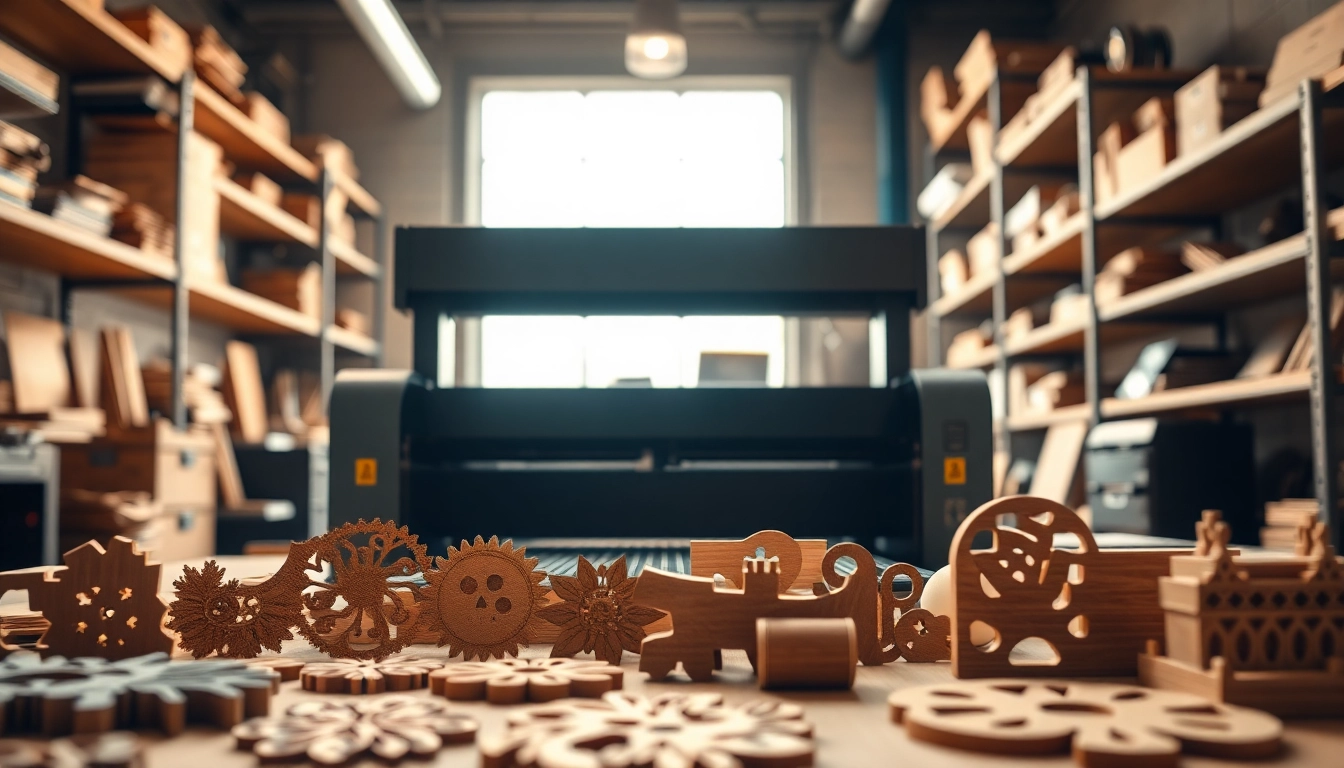
Introduction to Laser Cutting Designs
Laser cutting has revolutionized the way designers and manufacturers approach precision engineering and creative projects. With unmatched accuracy and versatility, laser cutting designs serve numerous applications across multiple industries. From intricate crafts to industrial components, laser cutting provides a reliable solution for achieving detailed work. This article explores the technology behind laser cutting, its benefits, applications, and best practices for utilizing this powerful tool in various projects.
Understanding Laser Cutting Technology
At the core of laser cutting technology is a focused beam of light generated by a laser source, typically a CO2 or fiber laser. This beam is directed through a series of mirrors onto a material surface, where it vaporizes the material along a predefined path. The precision of this process allows for clean cuts and intricate details that are hard to achieve with other cutting methods. Various parameters, including speed, power, and frequency of the laser, can be adjusted to suit a wide range of materials— from wood and acrylic to metals and textiles.
The Benefits of Using Laser Cutting Designs
One of the primary benefits of laser cutting designs is their precision. Unlike traditional cutting methods, laser cutting minimizes material waste and ensures detailed and complex designs are easily achievable. Furthermore, the automation of laser cutting processes means that designs can be replicated with high fidelity, important for mass production.
Another significant advantage is the versatility of laser cutting machines. They can handle various materials, including wood, acrylic, cardboard, and even metals, making them suitable for craft projects, commercial product manufacturing, and industrial applications. Additionally, laser cutting focuses on creating less impact on the environment when compared to other manufacturing processes, as it reduces waste and energy consumption over time.
Applications of Laser Cutting Designs in Various Industries
Laser cutting is employed in numerous fields, each reaping the benefits of its precision and versatility. In the fashion industry, designers use laser cutting for intricate fabric patterns that enhance modern apparel. In the automotive sector, manufacturers utilize laser-cut parts for durability and precision, while in architecture, laser cutting plays a pivotal role in creating decorative features and model prototypes. The craft and hobby sector has also exploded with the popularity of laser cutting technologies, allowing crafters to produce everything from personalized keychains to intricate wall art.
Getting Started with Laser Cutting Designs
Choosing the Right Materials for Laser Cutting Designs
Choosing the right material is essential for successful laser cutting. Popular materials include:
- Wood: Ideal for a range of projects, offers a natural aesthetic quality.
- Acrylic: Available in various colors and thicknesses, perfect for creating signage and decorative items.
- Cardboard: Great for prototyping; easy to cut and manipulate.
- Leather: Produces stylish, durable accessories and home décor items.
- Metals: While more challenging, using specialized equipment allows for cutting materials like aluminum and stainless steel.
Accessing Templates and Sample Files
Many platforms offer laser cutting designs for download, featuring both free and paid templates. Online resources like design communities and dedicated laser-cutting websites provide a wealth of pre-made designs. Users can modify these templates using design software to fit their specific needs, or take inspiration to create unique designs from scratch. Popular formats include DXF, SVG, and PDF files, which are compatible with most laser-cutting software.
Setting Up Your Laser Cutter for Optimal Results
Proper setup of the laser cutter is crucial for achieving high-quality results. Considerations include:
- Adjusting Power and Speed: Tuning the laser power and cutting speed based on material thickness and type will improve cut quality.
- Focus: Ensure the laser is correctly focused for clean and precise cuts. Regular maintenance can help maintain the focus lens.
- Test Cuts: Always make test cuts on scrap material to fine-tune settings before starting on final designs.
Creative Uses of Laser Cutting Designs
Home Décor Ideas with Laser Cutting Designs
Laser cutting offers a unique ability to create intricate home décor items. Decorative panels, wall art, and custom furniture are popular uses, allowing for personalization in style and functionality. Creative minds can explore endless possibilities, such as:
- Wall Art: Personalized art pieces incorporating meaningful quotes or intricate geometrical designs.
- Shelves and Furniture: Custom shelving units designed to reflect personal tastes and optimize space.
- Lighting Fixtures: Unique lamps and light covers that create mesmerizing patterns when illuminated.
Personalized Gifts: Unique Laser Cutting Designs
With the rise of personalized gifting, laser cutting provides a distinctive way to create custom presents. From monogrammed items to bespoke keepsakes, the technology allows for creativity and customization. Some ideas include:
- Customized Name Tags: Personalized name tags for weddings, parties, and special events.
- Unique Engraved Keepsakes: Photo frames, ornaments, and plaques can all be customized for special occasions.
- Handmade Jewelry: Stylish pieces tailored with names, dates, or significant symbols.
Laser Cutting Designs for Business Branding
Laser cutting has significant implications for branding and marketing materials. Businesses can use custom laser-cut displays and signage to create an impactful visual identity. Ideas include:
- Business Cards: Unique cards that feature intricate designs that stand out.
- Event Displays: Trade show displays or promotional stands that are visually striking.
- Custom Packaging: Distinctive laser-cut packaging solutions that enhance product appeal.
Best Practices for Designing Laser Cutting Projects
Design Software for Laser Cutting Designs
Several software options are available for creating laser cutting designs. Each has its distinct features that cater to different skill levels and project requirements. Popular choices include:
- Adobe Illustrator: A professional-grade software ideal for vector-based designs.
- CorelDRAW: A user-friendly option often used for sign making and craft designs.
- Inkscape: A free, open-source option that supports various design file formats.
Common Pitfalls to Avoid in Laser Cutting Designs
While laser cutting provides many advantages, several pitfalls can hinder the process:
- Inconsistent Settings: Always check machine settings before starting a new project to ensure consistency.
- Poorly Prepared Files: Ensure files are vector-based and meet necessary cutting specifications.
- Neglecting Material Testing: Skipping test cuts can lead to wasted time and material. Always validate settings on scrap material.
Tips for Achieving Precision with Laser Cutting Designs
To optimize the precision of laser cutting designs:
- Use High-Quality Vectors: Ensure files are high-resolution and correctly formatted for laser cutting.
- Layer Management: Keep layers organized, especially for multi-layered designs.
- Measure Twice: Always double-check measurements and dimensions before inputting them into the cutting software.
Future Trends in Laser Cutting Designs
Emerging Technologies and Innovations
The laser cutting industry is continuously evolving, with innovations enhancing efficiency and capabilities. The integration of AI and machine learning into design software is reshaping how designs are created, enabling automatic adjustments based on material feedback and laser performance. Furthermore, advancements in laser technology are making machines smaller, more efficient, and more accessible to hobbyists and small businesses alike.
Eco-Friendly Materials in Laser Cutting Designs
Eco-consciousness is becoming a trend across all industries. Laser cutting can align with sustainable practices by utilizing eco-friendly materials such as bamboo, recycled acrylic, and other sustainable resources. Brands that adopt these materials can appeal to environmentally aware consumers and reduce their ecological footprint.
Integrating Lasers with Other Technologies
The differentiation of products will see companies combining laser cutting with other technologies, such as 3D printing. This scenario allows for creating complex designs that require both cutting and additive manufacturing. The integration expands creative possibilities and encourages innovation, allowing businesses to offer personalized and unique solutions.
FAQs
What materials can I use for laser cutting designs?
You can use wood, acrylic, leather, cardboard, and various metals. Ensure the material is compatible with laser cutting for the best results.
Where can I find laser cutting design templates?
Check websites dedicated to laser cutting resources that offer both free and paid templates, as well as community forums for shared designs.
What software is best for creating laser cutting designs?
Popular software options are Adobe Illustrator, CorelDRAW, and Inkscape. Each caters to various user needs and expertise levels.
How do I ensure my laser cutting designs are precise?
Utilize high-quality vector files, carefully adjust machine settings, and perform test cuts on scrap materials to fine-tune your designs.
Can I use laser cutting for commercial purposes?
Yes, laser cutting can be utilized for creating branded goods, custom gifts, and product manufacturing. It is essential to comply with local regulations.