Understanding the Basics of Home Renovation
What is Home Renovation?
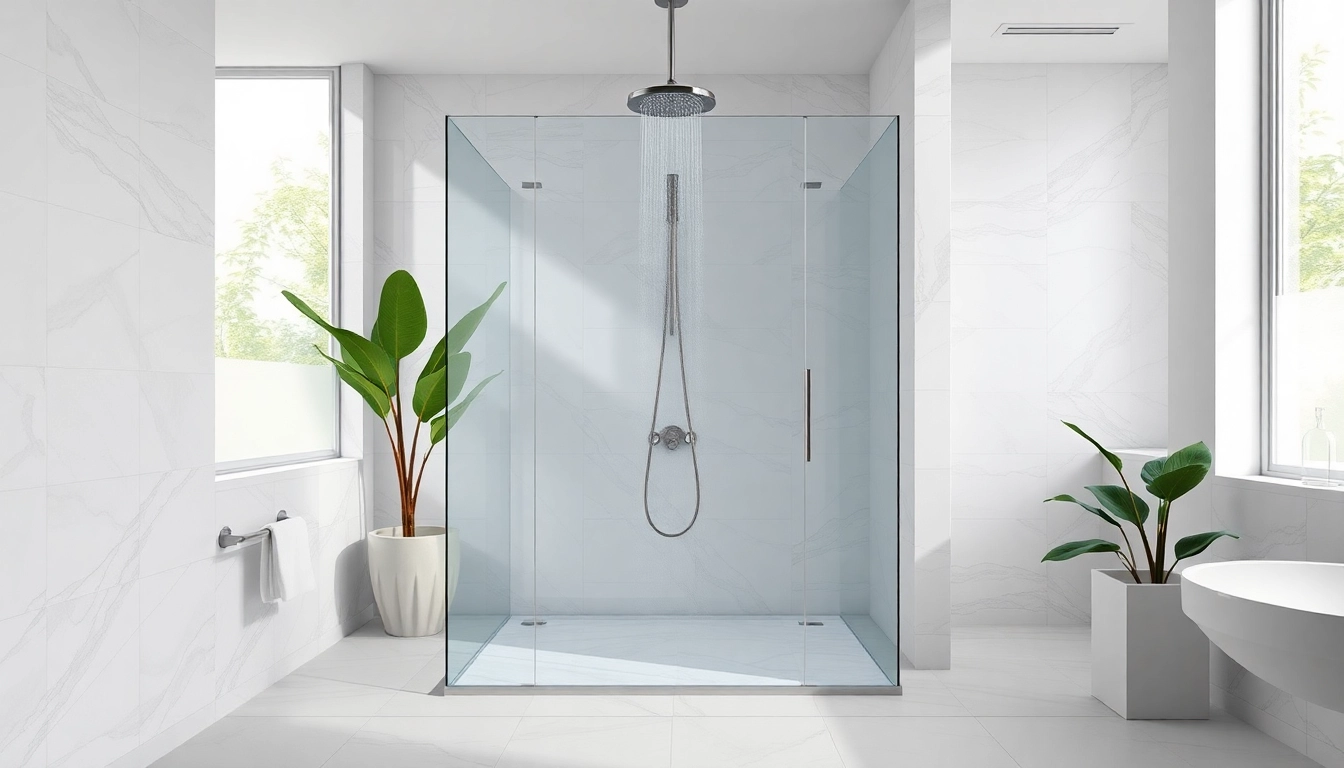
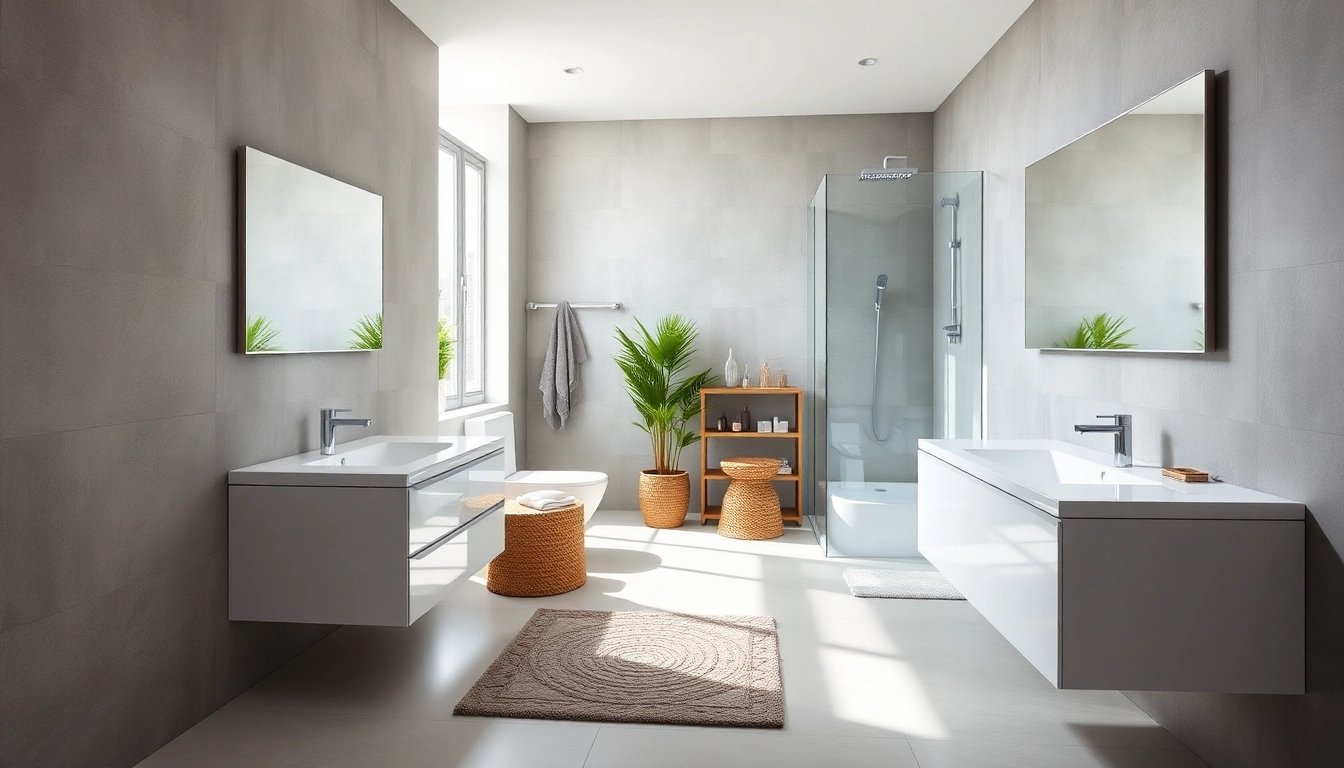
Home renovation refers to the process of improving or altering a residential building to enhance its value, functionality, or aesthetic appeal. This encompasses a wide array of projects, ranging from minor repairs to major overhauls. Home renovation can include updating kitchens and bathrooms, adding new rooms, altering floor plans, and enhancing energy efficiency, amongst other improvements. Whether you aim to sell your house or simply create a more enjoyable living space, a thoughtful renovation can make a significant positive impact.
Benefits of Home Renovation
There are numerous benefits to undertaking a Home renovation. Firstly, it can substantially increase the value of your property; particular improvements, especially in kitchens and bathrooms, are known to yield high returns on investment. Secondly, renovations enhance the functionality of your home, creating spaces that better suit your lifestyle. Lastly, renovations can improve energy efficiency through updated windows, insulation, and appliances, thereby reducing utility bills and your ecological footprint.
Identifying Your Renovation Goals
Setting clear renovation goals is crucial before embarking on any home improvement project. Are you looking to increase the home’s resale value? Do you want to create a more comfortable environment for your family? Perhaps your goal is to address outdated fixtures or enhance functionality? Jotting down your renovation goals will provide direction and help you prioritize which projects to tackle first.
Planning Your Home Renovation
Creating a Budget for Your Home Renovation
Budgeting for renovations involves more than just calculating the costs of materials and labor; it requires a comprehensive view of your finances. Start by determining a realistic total budget that reflects your renovation goals and available resources. Allocate funds for unexpected costs that may arise during the renovation process, as these can easily consume your budget if not anticipated. Additionally, consider long-term costs, including maintenance and potential increases in property taxes, which may result from enhanced property value.
Developing a Renovation Timeline
Creating a timeline is essential for managing expectations throughout the renovation process. Begin by breaking your project down into phases and determining how long each phase will realistically take. Factor in potential delays due to weather, supply chain issues, or contractor availability. A well-structured timeline not only helps you stay organized but also reduces stress by giving you a clear roadmap of what to expect.
Choosing the Right Materials
When selecting materials for your renovation, consider durability, sustainability, and aesthetic appeal. Research various options for flooring, countertops, cabinetry, and more. Opting for sustainable or recycled materials can enhance your home’s value while also benefiting the environment. Seek expert advice to ensure that the materials you choose align with your renovation goals and budget.
Design Considerations in Home Renovation
Maximizing Space and Functionality
One of the key aspects of a successful home renovation is making the most out of your available space. Consider open floor plans that encourage fluid movement and maximize natural light. Built-in storage solutions can help to keep spaces organized and functional. Evaluate how each room is used and make adjustments that suit your lifestyle, such as incorporating multi-purpose furniture.
Incorporating Style and Personal Touches
The renovation process is an opportunity to infuse personal style into your home. Choose color schemes, fixtures, and decor elements that reflect your personality. This might include selecting a specific theme for a room, integrating custom-made furniture, or featuring art that resonates with you. The goal is to create a space that feels uniquely yours, enhancing your sanctuary.
Energy Efficiency in Your Home Renovation
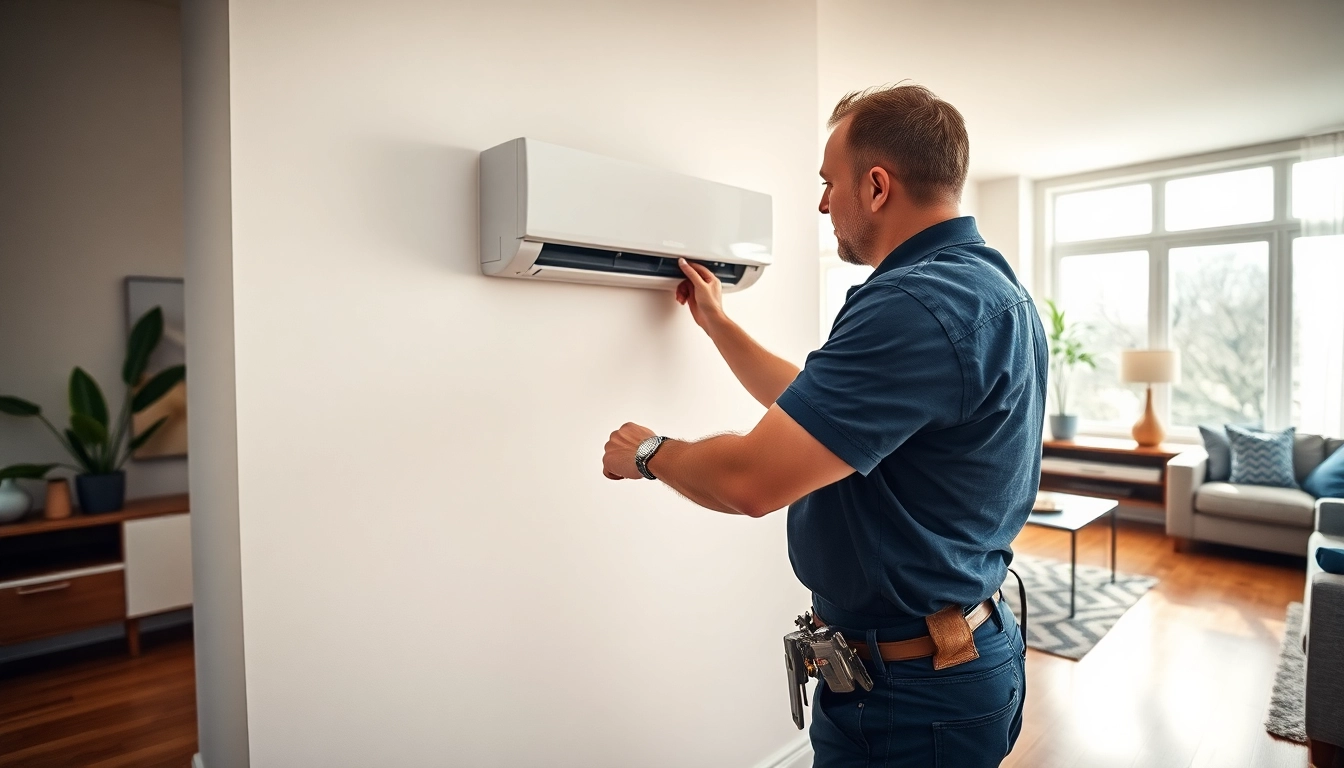
Incorporating energy-efficient features into your renovation not only conserves resources but also reduces your utility bills. Consider installing energy-efficient appliances, improving insulation, and replacing old windows with new, energy-efficient models. Smart home technology, such as programmable thermostats and energy-efficient lighting, can further enhance your home’s efficiency and appeal.
Common Challenges in Home Renovation
Addressing Unexpected Issues
Home renovations often unveil underlying issues that weren’t apparent at the beginning of the project, such as structural damage or outdated electrical systems. Budgeting for unexpected expenses is crucial. Conduct thorough inspections and seek professional advice before starting significant projects to uncover potential concerns early on.
Managing Renovation Stress
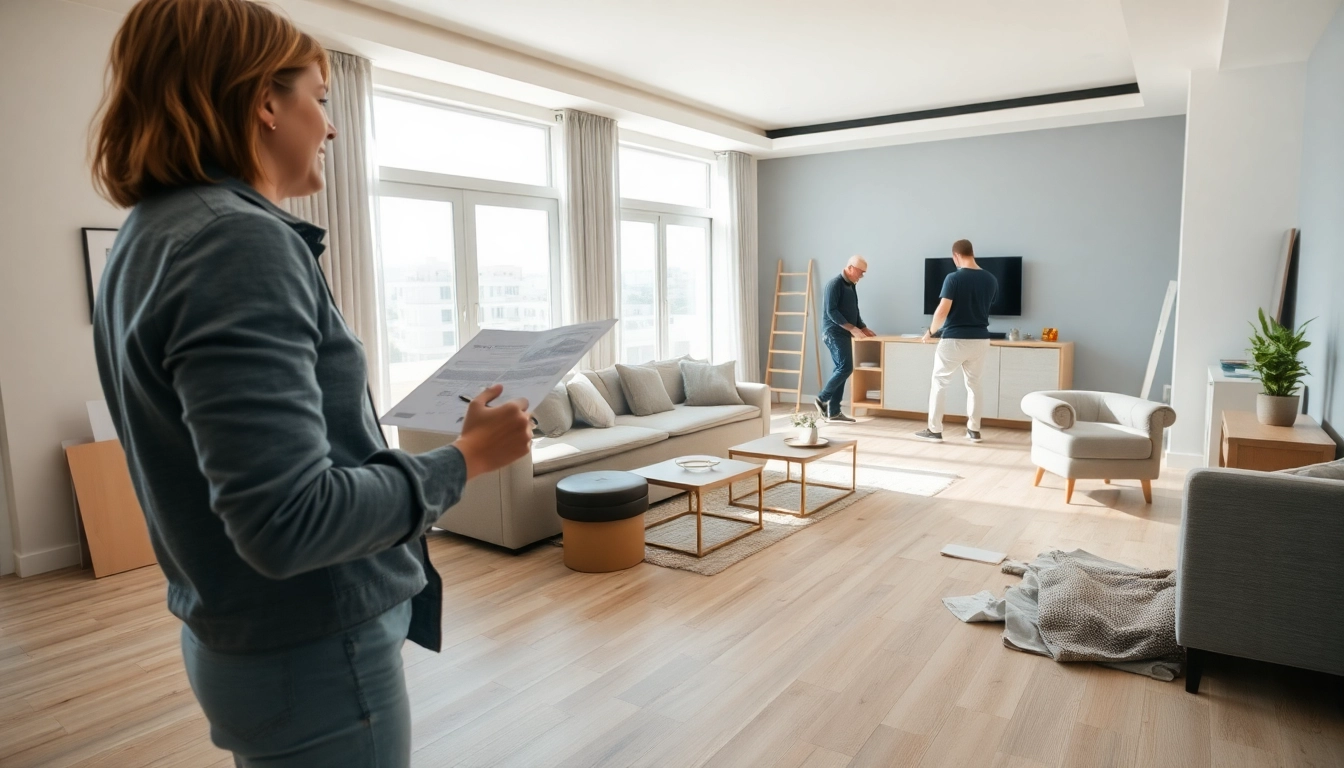
Renovating a home can be a stressful endeavor, especially when living in the property during construction. Establishing clear communication with your contractors and setting realistic expectations can help alleviate some of this stress. Additionally, maintaining flexibility in your plans allows for adjustments as challenges arise. Take breaks from the chaos to ensure your mental well-being throughout the process.
Maintaining Clear Communication with Contractors
Effective communication with contractors is essential to achieving your renovation goals. Discuss your expectations, timelines, and budget upfront. Regular check-ins throughout the project can help keep everyone on the same page and can help address issues as they arise. A good contractor will appreciate transparency and will work to meet your expectations as closely as possible.
Measuring Success After Your Home Renovation
Evaluating Design and Functionality
After completing your renovation, take the time to evaluate whether the design and functionality align with your original goals. Identify any areas for improvement and determine if the changes meet your expectations. A successful renovation should not only improve the aesthetics of your home but also enhance daily living.
Assessing Home Value Post Renovation
Once your renovation is complete, assess the increase in your home’s value compared to the investment you made. This assessment can be done through a professional appraisal or by comparing recent sales in your area of similar properties. This will help in understanding whether your renovation was worth the investment and can prepare you for future projects.
Gathering Feedback from Family and Friends
Engage family and friends in discussions about your newly renovated space to gather their insights and feedback. Their observations may provide valuable perspectives on functionality, design, and aesthetics. Additionally, include these insights into your future renovation projects to continually improve and adapt your living space to meet your needs.