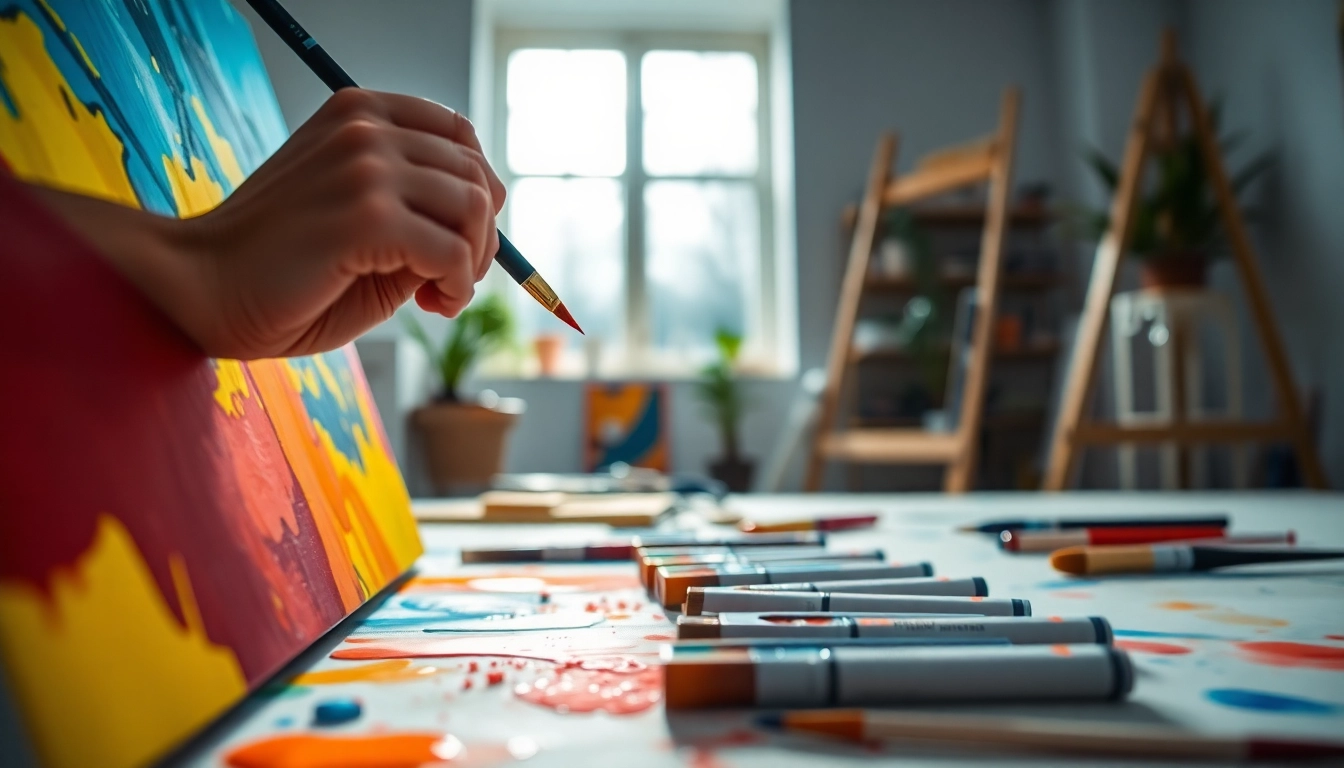
Understanding Acrylic Paints and Their Properties
Acrylic paints have surged in popularity over the years due to their versatility and vibrant color options. Artists and crafters alike gravitate towards this medium for its unique properties that allow for both detailed work and expansive expressive strokes. If you're keen to delve deeper into the world of acrylics, resources like https://acrylicpedia.com provide a comprehensive overview of this fascinating subject.
Types of Acrylic Paints
Acrylic paints can be categorized into several types, each designed for specific applications and styles:
- Heavy Body Acrylics: These paints are thick, providing excellent texture and high pigment concentration, ideal for impasto techniques.
- Soft Body Acrylics: With a thinner consistency, these are perfect for blending and layering without losing vibrancy.
- Acrylic Gouache: This type is matte, provides a watercolor-like finish, and is soluble when wet, allowing for easy blending.
- Acrylic Inks: Ideal for detailed work, these inks have a fluid consistency and can be used in airbrushes or with pens.
- Fluid Acrylics: With a very thin consistency, these are excellent for pouring techniques or detailed glazing.
Advantages of Using Acrylics
Acrylic paints offer a host of advantages that make them a favorite among artists:
- Quick Drying: Acrylics dry rapidly, allowing for faster layering and less waiting time between strokes.
- Versatility: These paints can be used on various surfaces, including canvas, wood, paper, and even fabric.
- Water-Soluble: When wet, acrylics can be thinned with water, making clean-up simple and efficient.
- Durability: Once dry, acrylics are water-resistant and UV-protected, ensuring artwork retains its vibrancy over time.
- Non-Toxic Options: Most acrylic paints are non-toxic, making them safe for use in schools and by children.
Common Uses in Art and Crafting
The applications of acrylic paints are virtually limitless, spanning across various artistic disciplines:
- Fine Art: Acrylics are widely used by professional artists for canvas painting, mural work, and mixed media.
- Crafting: Many crafters utilize acrylics for home décor projects, scrapbooking, and custom clothing design.
- Model Painting: Acrylic paints are a go-to for hobbyists who paint miniatures and models due to their quick-drying properties.
- Decorative Arts: From furniture refinishing to outdoor signage, acrylics are celebrated for their durability and versatility.
Essential Tools for Acrylic Painting
To fully harness the power of acrylic paints, certain tools are essential. Below is a comprehensive overview of the must-have implements for successful acrylic painting.
Brushes: Types and Tips
Brushes can significantly influence the outcome of an acrylic painting. Here are the key types of brushes to consider:
- Flat Brushes: Great for bold strokes and covering large areas due to their wide bristles.
- Round Brushes: Versatile for various applications, ideal for detailed work and circular strokes.
- Filbert Brushes: A hybrid of flat and round, perfect for soft edges and blending techniques.
- Fan Brushes: Unique shape makes them excellent for textures such as foliage or hair.
- Detail and Liner Brushes: Best for fine lines and intricate details to bring paintings to life.
When selecting brushes, always look for synthetic bristles that work well with acrylics and opt for different sizes to add versatility to your toolkit.
Choosing the Right Canvas and Surfaces
Selecting an appropriate canvas or surface is crucial for achieving the desired results with acrylic paints. Consider the following options:
- Stretched Canvas: Available in various sizes, pre-stretched canvases offer a traditional painting surface.
- Canvas Boards: Affordable and lightweight, these are perfect for practice and smaller works.
- Watercolor Paper: Heavier weight, cold-pressed paper can handle acrylic washes and detailed work.
- Wood Panels: Provide a rigid surface ideal for detailed work and mixed media applications.
- Textured Surfaces: Can enhance the appearance of acrylic paintings, adding dimension and interest.
Supporting Accessories and Tools
Beyond brushes and canvases, a range of supporting tools can enhance your acrylic painting experience:
- Palettes: Essential for mixing colors, with options ranging from disposable paper palettes to glass and wood.
- Palette Knives: Useful for mixing colors and applying thick paint textures directly onto your canvas.
- Spray Bottle: Keeping acrylics moist longer is key, and a spray bottle can help maintain humidity while working.
- Easels: A sturdy easel can help attain the proper angle and comfort while painting.
- Aprons and Rags: Protect your clothes and cleanup spills effectively with these simple accessories.
Acrylic Painting Techniques for Beginners
Beginning your journey in acrylic painting can be exciting and filled with endless possibilities. Here are some foundational techniques that can help any novice artist.
Basic Techniques: Blending and Layering
Acrylics dry rapidly, presenting a unique opportunity for blending colors and layering techniques:
- Blending: Use a dry brush to merge two adjacent colors while they are still wet, creating smooth transitions.
- Layering: Build depth gradually by applying thin layers of paint. This technique enhances transparency and rich visuals.
Creating Texture with Acrylics
Texture can add dimension and intrigue to your acrylic paintings:
- Impasto: This technique involves applying thick layers of paint directly onto your canvas, giving a three-dimensional effect.
- Sponging: Using a sponge can add soft textures to areas of your artwork, creating visual interest.
- Stippling: A method using a stiff brush, this creates fine dots of color that can simulate patterns or textures.
Color Mixing Fundamentals
Understanding how to mix colors effectively can elevate your acrylic work significantly:
- Primary Colors: Master the basic red, blue, and yellow as they form the foundation of all other colors.
- Creating Secondary and Tertiary Colors: Mixing primary colors results in secondary colors (green, orange, purple), which can further mix to create a variety of shades.
- Warm and Cool Colors: Warmer colors (reds, oranges) create excitement, while cooler hues (blues, greens) evoke calmness.
Advanced Acrylic Techniques for Professional Artists
As artists gain proficiency with acrylics, exploring advanced techniques can yield captivating results.
Exploring Mixed Media Approaches
The integration of different materials can breathe new life into artwork:
- Collage: Combining various materials like paper, fabric, and other media with acrylic can create dynamic compositions.
- Texture Mediums: Incorporating gels, pastes, or sand can enhance surface texture and depth.
- Incorporating Other Paints: Mixing acrylics with watercolor or oil paints can produce unique effects.
Using Acrylics for Realistic Painting
For those aiming to achieve realism, acrylics can provide unmatched clarity when used correctly:
- Layering Techniques: Build images gradually, allowing each layer to dry before adding subsequent details.
- Focus on Light and Shadow: Understanding chiaroscuro enhances the perception of depth and volume in your paintings.
Innovative Techniques: Pouring and Pouring Mediums
Acrylic pouring creates mesmerizing fluid art:
- Pouring Medium: Mixing acrylic paint with pouring medium creates a smooth consistency for fluid art.
- Pouring Techniques: Techniques such as flip cup, dirty pour, and swipe can yield unpredictable and beautiful results.
Maintaining and Storing Acrylic Paints
Proper care and storage can extend the life of your acrylic paints, ensuring they remain usable for years to come.
How to Extend the Lifespan of Your Paints
Here are some tips to effectively preserve your acrylic paints:
- Keep Them Sealed: Always ensure lids are tightly secured when paints are not in use to prevent drying out.
- Store in a Cool, Dry Place: Extreme temperatures can alter the paint's composition, so choose storage locations wisely.
- Regularly Clean Palettes: Remove dried paint to maintain a clean mixing surface.
Cleaning Tools and Workspaces
Maintaining a clean workspace goes a long way in the longevity of your tools:
- Brush Cleaning: Rinse brushes immediately after use to prevent paint from hardening in the bristles.
- Palette Maintenance: Remove dried paint and wash with soap and water to prevent contamination of future mixes.
Safe Disposal of Expired Paints
Successfully discarding old or solidified paints involves following local regulations:
- Follow Local Guidelines: Every area may have different rules regarding paint disposal; adherence is crucial for environmental safety.
- Consider Donating Usable Paints: If paints are still workable but no longer needed, donating them keeps waste to a minimum.