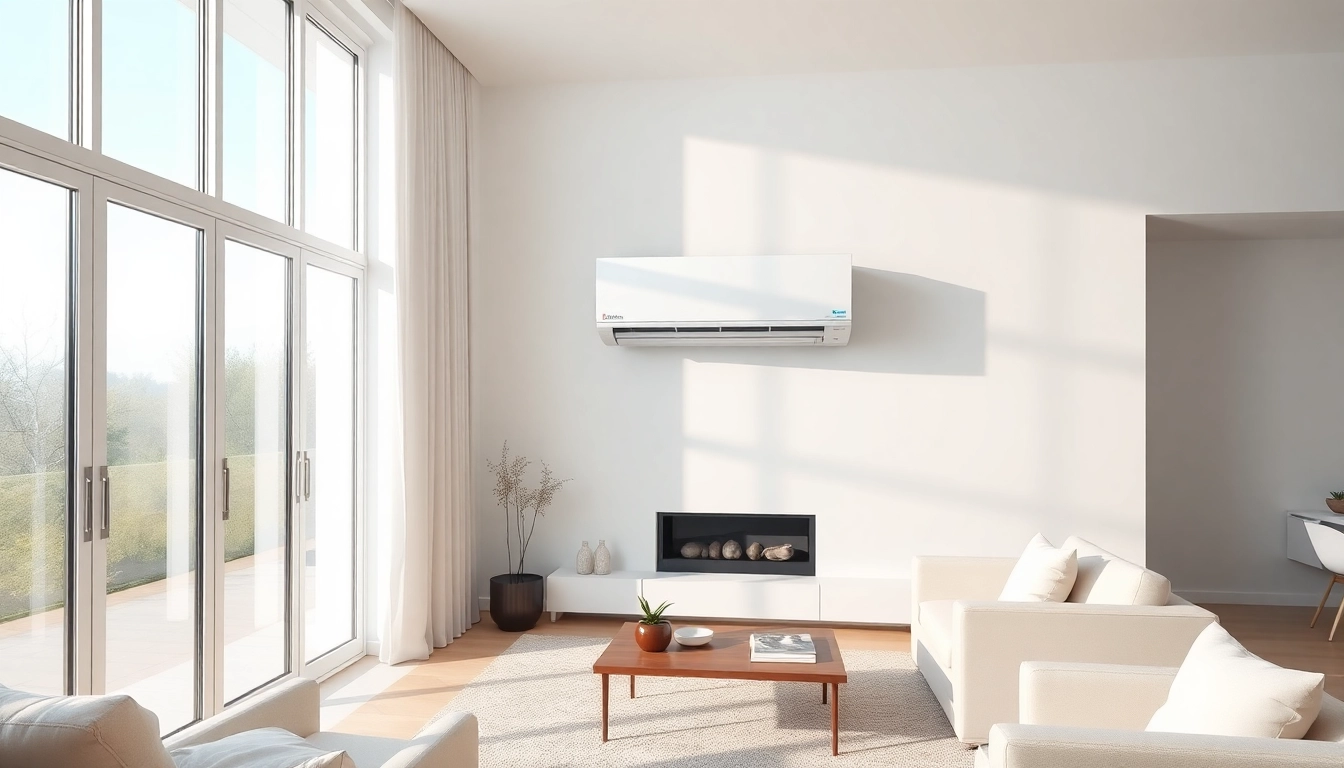
Understanding the Daikin Mini Split AC
What is a Daikin Mini Split AC?
The daikin mini split ac is a type of HVAC system that provides heating and cooling through two main components: an indoor air-handling unit and an outdoor condenser unit. This system operates without ductwork, which makes it an excellent option for homes and spaces where traditional ducts are impractical. The mini split system works by transferring heat from inside to outside or vice versa. This flexibility allows for individual climate control in different rooms or zones of the building, making it an efficient choice for energy-saving and comfort enhancement.
Key Features of Daikin Mini Split AC
- Multi-Zone Capability: Daikin mini split systems can support multiple indoor units, allowing you to customize the temperature of different areas.
- Inverter Technology: This technology allows the compressor to operate at variable speeds, reducing energy consumption while maintaining a consistent temperature.
- Quiet Operation: The system is designed to operate quietly, making it perfect for bedrooms and offices.
- Remote Control: Most models come equipped with remote controls, allowing for convenient adjustments without needing to get up.
- Energy Efficiency Ratings: Many Daikin models are ENERGY STAR certified, indicating they meet strict energy efficiency guidelines.
Benefits of Choosing a Daikin Mini Split AC
Selecting a Daikin mini split AC system provides several advantages, primarily its energy efficiency and flexibility. The dual functionality of heating and cooling means it can be used year-round, addressing temperature changes no matter the season. Additionally, the absence of ductwork reduces energy losses, leading to lower utility bills. The system's design also prevents the spread of dust and allergens, which can contribute to healthier indoor air quality. Moreover, as a highly customizable solution, the ability to set different temperatures in various zones enhances overall comfort in your living or working space.
Installation Process for Daikin Mini Split AC
Preparing for Installation
Before the installation of your Daikin mini split AC, several preparatory steps should be taken. First, conduct a detailed assessment of your space to determine the best locations for the indoor and outdoor units. Consider factors such as sunlight exposure and access to electrical sources. Additionally, ensure that you acquire the necessary permits in line with local building codes. Familiarizing yourself with the installation manual is crucial, as it will provide specific techniques and requirements tailored to your chosen model.
Step-by-Step Installation Guide
- Mount the Indoor Unit: Secure the mounting plate to the wall and ensure it is level before attaching the indoor unit.
- Drill a Hole: Create a small hole for the refrigerant lines and drainage, ensuring proper drainage outside.
- Install the Outdoor Unit: Position the outdoor unit on a flat surface, keeping it elevated to avoid potential flooding.
- Connect the Lines: Carefully connect the refrigerant lines and electrical wiring between the indoor and outdoor units, following the specified guidelines closely.
- Vacuum and Test: Use a vacuum pump to remove air from the system, then test for leaks before charging the unit with refrigerant.
Common Mistakes to Avoid
During installation, it's crucial to avoid common pitfalls that can lead to inefficient operation or even damage. One significant mistake is neglecting to level the indoor unit properly, leading to drainage issues. Additionally, failing to adequately insulate refrigerant lines can result in energy loss. Also, rush through electrical connections without confirming compatibility can lead to unsafe operating conditions. Taking the time to double-check all connections and placements can save trouble later on.
Energy Efficiency and Performance
How Energy Ratings Work
Energy efficiency ratings are critical in evaluating the operational performance of air conditioning systems. The Seasonal Energy Efficiency Ratio (SEER) is a standard metric used to denote the cooling efficiency of a system. For heating, the Heating Seasonal Performance Factor (HSPF) is utilized. Systems with higher SEER and HSPF ratings tend to consume less energy, leading to lower utility bills and reduced environmental impact. When selecting a Daikin mini split AC, look for units with high SEER ratings, especially if energy savings are a priority for your home.
Maximizing Energy Efficiency with Daikin Mini Split AC
To enhance the energy efficiency of your Daikin mini split AC, consider implementing several best practices. First, set your thermostat to a comfortable yet efficient temperature. Regularly clean or replace air filters to ensure unobstructed airflow. Schedule annual maintenance checks to keep the system running optimally. Additionally, you can take advantage of zoning capabilities by selectively cooling or heating only the most occupied areas of your home, reducing overall energy consumption.
Performance Metrics: What to Look For
When evaluating the performance of a Daikin mini split AC system, focus on key performance metrics such as noise level, air distribution efficiency, and humidity control capabilities. A system that operates quietly will ensure comfortable living and working environments, particularly in noise-sensitive spaces. Moreover, effective air distribution helps maintain temperature consistency throughout the room. Evaluate reviews and specifications for insights into how well a unit tackles excess humidity, as this is crucial for comfort during warmer months.
Maintenance Tips for Daikin Mini Split AC
Routine Maintenance Checklist
Maintenance is vital to keep your Daikin mini split AC functioning smoothly. Here’s a checklist to ensure comprehensive upkeep:
- Inspect filters monthly; clean or replace them every 1-3 months.
- Check and clean the outdoor unit to ensure it's free from debris.
- Examine the condensate drain for blockages to prevent water damage.
- Inspect the refrigerant lines and electrical connections for wear and tear.
- Schedule professional maintenance annually to address any complexities.
When to Call a Professional
While routine maintenance can often be performed independently, specific issues should prompt a call to a professional. If you notice unusual noises, fluctuating temperatures, or a sudden increase in energy bills, these can signify underlying problems that require expert diagnosis. Additionally, malfunctioning electronic components or persistent refrigerant leaks should never be ignored, as they could lead to severe system failure. Always prioritize safety and efficiency by engaging a qualified technician for complex repairs.
Signs Your Daikin Mini Split AC Needs Repair
Be vigilant for signs that your Daikin mini split AC may require repair. Common indicators include inconsistent cooling or heating, unusual noises during operation, water pooling around the indoor unit, and a marked increase in energy consumption. If you encounter any of these issues, addressing them swiftly can prevent costlier repairs down the line. Keeping a watchful eye on your unit's performance can ensure its longevity and reliability.
FAQs About Daikin Mini Split AC
How Long do Daikin Mini Split ACs Last?
Daikin mini split ACs typically have a lifespan of 15-20 years, depending on usage, maintenance, and installation quality. Regular maintenance helps maximize their longevity.
Can a Daikin Mini Split AC Heat My Home?
Yes, Daikin mini split ACs provide both heating and cooling. They can efficiently heat your space during colder months, making them versatile systems.
What Size Daikin Mini Split AC Do I Need?
The required size depends on the area to be conditioned. Proper calculations consider factors like room size, insulation, and climate; professionals can help determine the right capacity.
Is Professional Installation Necessary?
While some adept DIYers can install a mini split AC, professional installation is recommended to ensure proper setup, adherence to local codes, and warranties' validity.
How Often Should I Clean My Daikin Mini Split AC?
It's advisable to clean the filters every month and perform thorough maintenance every 6-12 months. Regular maintenance enhances performance and prolongs the unit’s life.