
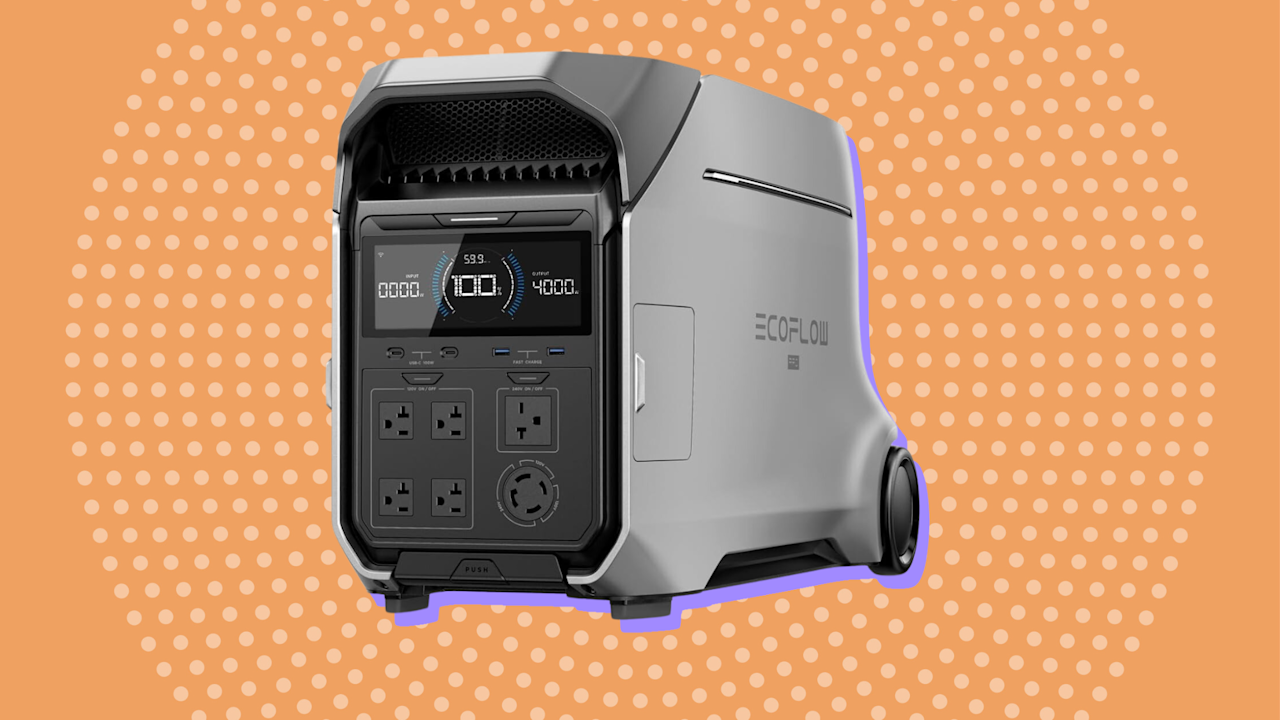
Power outages can strike at any moment, leaving homes and businesses in complete darkness. Whether caused by natural disasters, technical failures, or scheduled maintenance, losing electricity can disrupt daily life and business operations. This is where a Power station becomes an essential tool, providing a reliable backup power solution.
Understanding What a Power Station Is
A power station is a portable or stationary device designed to store and supply electricity when the main power grid fails. Unlike traditional generators, modern power stations are often compact, silent, and environmentally friendly, making them suitable for both home and office use. These devices store energy in high-capacity batteries and deliver power through multiple output ports to run appliances, lights, and even electronic devices.
Benefits of Using a Power Station
1. Reliable Backup During Outages
A primary advantage of having a power station is reliability. When the electricity goes out, a power station ensures that essential appliances, such as refrigerators, lights, and medical equipment, continue to function. This reliability is crucial during emergencies, especially in areas prone to frequent power interruptions.
2. Environmentally Friendly Energy Source
Many modern power stations use lithium-ion batteries or renewable energy sources like solar power to recharge. This makes them a cleaner alternative to traditional fuel-powered generators, which can produce harmful emissions. By using a power station, you reduce your carbon footprint while staying powered.
3. Portability and Convenience
Unlike large, cumbersome generators, portable power stations are lightweight and easy to move. Whether you need to power a small office, a home, or outdoor equipment during camping trips, a portable power station offers convenience and flexibility.
How a Power Station Works
A power station works by storing electrical energy in a battery and converting it into usable AC or DC electricity when needed. When a power outage occurs, the station automatically provides electricity to connected devices. Some advanced models can even be charged via solar panels, ensuring that you have power even in prolonged outages.
1. Charging the Power Station
Most power stations can be charged through standard wall outlets, car chargers, or solar panels. Charging efficiency and speed depend on the battery capacity, but many modern stations offer rapid charging options to ensure readiness for emergencies.
2. Power Output Options
A power station typically comes with multiple output ports, including AC, DC, and USB. This versatility allows you to power everything from laptops and smartphones to refrigerators and medical devices. Knowing the total wattage required is crucial to selecting a power station that meets your needs.
3. Monitoring and Safety Features
Advanced power stations come equipped with safety features like overcharge protection, short-circuit prevention, and temperature control. Some models also include digital displays to monitor battery levels, output power, and remaining runtime, ensuring safe and efficient operation.
Applications of a Power Station
1. Home Use
At home, a power station can keep essential appliances running during blackouts. Lights, refrigerators, Wi-Fi routers, and even medical devices can remain operational, providing peace of mind for families.
2. Outdoor Activities
For outdoor enthusiasts, a power station is indispensable. Whether camping, hiking, or organizing an outdoor event, a portable power station provides electricity for lights, cooking appliances, and electronic devices, ensuring convenience in remote locations.
3. Office and Business Use
Businesses can benefit greatly from a power station. During outages, it ensures that computers, security systems, and communication devices continue operating without interruption. This prevents revenue loss and keeps operations running smoothly.
4. Emergency Situations
In emergencies like natural disasters, a power station can be life-saving. It powers critical devices, charges communication tools, and ensures that essential services remain functional until the main electricity supply is restored.
Tips for Choosing the Right Power Station
Selecting the right power station depends on your energy needs and usage scenarios. Here are some factors to consider:
- Battery Capacity: Choose a station with sufficient capacity to power your essential devices for the desired duration.
- Portability: Consider weight and size if you plan to move the station frequently.
- Output Options: Ensure the station has the correct ports for your appliances and devices.
- Charging Methods: Look for multiple charging options, including solar compatibility for emergencies.
- Safety Features: Prioritize stations with built-in protections against overcharging, overheating, and short circuits.
Conclusion
A power station is more than just a backup device; it is a reliable partner in ensuring uninterrupted power supply during outages. Whether for home, office, outdoor adventures, or emergencies, investing in a high-quality power station guarantees peace of mind and uninterrupted energy access. By choosing the right power station, you stay prepared for any situation, reduce environmental impact, and maintain control over your electricity needs.
With the increasing frequency of power interruptions, a power station has become an essential tool for households and businesses alike. Don’t wait for the next outage—equip yourself with a reliable power station and stay powered no matter what.