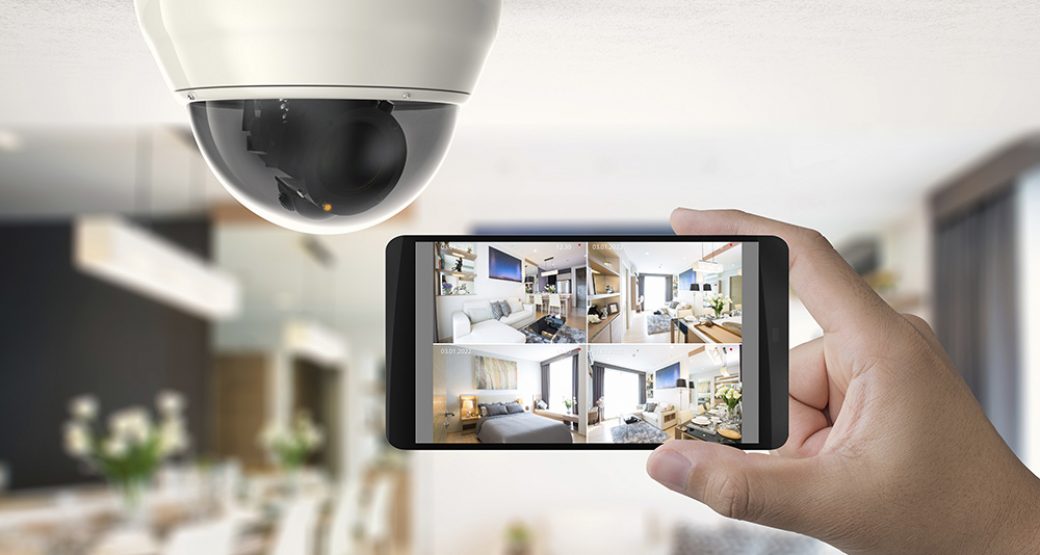
In today’s rapidly evolving world, Home Security has become more than just a precaution; it is a necessity. With rising concerns about property crime, package theft, and personal safety, homeowners and renters alike are actively seeking reliable ways to protect their living spaces. The market offers two dominant solutions: standalone home security cameras and complete home security systems. While both aim to safeguard your property, their capabilities, costs, and overall effectiveness vary significantly. Understanding these differences is essential for making an informed decision that aligns with your lifestyle, budget, and security expectations.
This in-depth guide from Deep Dive Picks explores home security cameras versus full home security systems in a comprehensive, research-driven manner. By examining features, performance, long-term value, and real-world usability, this article will help you determine which home security solution is best suited for your needs.
Understanding the Basics of Home Security
Before comparing solutions, it is important to define what home security truly means in a modern context. Home security is not limited to deterring intruders; it encompasses monitoring, alerting, recording, and responding to potential threats. Effective home security creates layers of protection that work together to reduce risk and provide peace of mind, whether you are at home or away.
Modern home security technology integrates hardware, software, and connectivity. Cameras, sensors, alarms, and mobile apps work in unison to detect unusual activity and notify homeowners in real time. However, the depth of protection largely depends on whether you rely solely on cameras or invest in a full home security system.
What Are Home Security Cameras?
Home security cameras are standalone or semi-integrated devices designed to monitor specific areas of your property. These cameras capture video footage, often in high definition, and allow homeowners to view live or recorded content through mobile apps or web platforms. Many modern home security cameras include motion detection, night vision, two-way audio, and cloud storage options.
The appeal of home security cameras lies in their simplicity and accessibility. They are typically easy to install, require minimal setup, and are relatively affordable. For individuals seeking basic home security, cameras can serve as a visual deterrent and a valuable evidence-gathering tool.
However, while home security cameras excel at observation, they are limited in their ability to actively prevent or respond to threats. They record events rather than stop them, which is a critical distinction when evaluating overall home security effectiveness.
What Are Full Home Security Systems?
Full home security systems go beyond cameras by offering an integrated network of devices designed to detect, deter, and respond to security threats. These systems typically include cameras, motion sensors, door and window sensors, alarms, control panels, and professional monitoring services. Together, these components create a comprehensive home security ecosystem.
Unlike standalone cameras, full home security systems actively intervene when a threat is detected. Alarms sound immediately, alerts are sent to homeowners, and professional monitoring centers can contact emergency services if needed. This proactive approach significantly enhances the effectiveness of home security.
While full home security systems require a higher upfront investment and may involve monthly monitoring fees, they provide a level of protection that cameras alone cannot match. For homeowners prioritizing robust home security, these systems often represent a long-term investment in safety.
Installation and Setup Differences
Installation plays a critical role in the overall home security experience. Home security cameras are generally designed for quick, user-friendly installation. Many are wireless, battery-powered, and can be mounted within minutes. This makes them appealing for renters or those seeking temporary home security solutions.
Full home security systems, on the other hand, often involve a more complex installation process. While DIY options exist, professional installation is common to ensure sensors, alarms, and cameras are properly placed. This thorough setup enhances home security reliability but requires more time and planning.
The choice between easy installation and comprehensive coverage is a defining factor when comparing home security cameras to full systems.
Coverage and Protection Levels
Coverage is where the difference between cameras and systems becomes most apparent. Home security cameras typically monitor specific points such as entrances, driveways, or interior rooms. While they provide visual coverage, they may leave gaps in overall home security if not strategically placed.
Full home security systems are designed to cover an entire property. Door and window sensors detect unauthorized entry, motion detectors monitor movement throughout the home, and alarms provide immediate alerts. This layered approach ensures consistent home security across all vulnerable areas.
For large homes or properties with multiple entry points, full home security systems offer a clear advantage in coverage and reliability.
Monitoring and Response Capabilities
One of the most critical aspects of home security is how quickly and effectively a system responds to threats. Home security cameras typically rely on user monitoring. Notifications are sent to your phone, and you are responsible for assessing the situation and taking action.
Full home security systems often include professional monitoring services. When an alarm is triggered, trained professionals assess the situation and contact emergency responders if necessary. This immediate response significantly enhances home security, particularly when homeowners are unavailable or asleep.
For individuals seeking hands-off protection, professionally monitored home security systems provide unparalleled peace of mind.
Cost Comparison and Long-Term Value
Cost is a major consideration when choosing home security solutions. Home security cameras generally have a lower upfront cost, with optional subscription fees for cloud storage or advanced features. This makes them accessible for budget-conscious users.
Full home security systems require higher initial investment and ongoing monitoring fees. However, the long-term value of comprehensive home security often outweighs the cost. Insurance discounts, reduced risk of loss, and enhanced safety contribute to their overall return on investment.
When evaluating home security, it is important to consider not just the price but the level of protection provided over time.
Smart Home Integration and Technology
Modern home security increasingly overlaps with smart home technology. Home security cameras often integrate seamlessly with voice assistants, smart displays, and mobile apps. This connectivity allows users to check footage, receive alerts, and control settings remotely.
Full home security systems typically offer deeper smart home integration. Automation features enable lights, locks, and alarms to work together, creating a cohesive home security environment. This integration enhances convenience and strengthens overall protection.
For tech-savvy homeowners, advanced home security systems provide a unified smart home experience.
Privacy and Data Security Considerations
Privacy is an often-overlooked aspect of home security. Home security cameras continuously record footage, raising concerns about data storage and unauthorized access. Choosing reputable brands with strong encryption is essential for maintaining home security without compromising privacy.
Full home security systems also collect data but often adhere to stricter security protocols due to professional monitoring requirements. Understanding data handling practices is crucial for ensuring ethical and secure home security usage.
Reliability During Power and Internet Outages
Reliability is a cornerstone of effective home security. Home security cameras often depend heavily on internet connectivity. During outages, functionality may be limited, reducing overall home security effectiveness.
Full home security systems frequently include backup power sources and cellular connections. These features ensure continued operation during outages, providing consistent home security when it is needed most.
Suitability for Different Lifestyles
Lifestyle plays a significant role in determining the best home security solution. Renters, apartment dwellers, and frequent movers may prefer home security cameras due to their portability and ease of installation.
Homeowners, families, and individuals seeking maximum protection often benefit more from full home security systems. The comprehensive coverage and professional monitoring align with long-term home security goals.
The Psychological Impact of Home Security
Beyond physical protection, home security has a psychological dimension. Knowing that your home is monitored and protected reduces stress and enhances overall well-being. While home security cameras offer reassurance through visibility, full home security systems provide deeper confidence through active defense.
This emotional benefit is an important factor when evaluating home security options.
Scalability and Future-Proofing
As technology evolves, home security needs may change. Home security cameras offer limited scalability, often requiring additional purchases to expand coverage.
Full home security systems are designed to scale. Additional sensors, cameras, and features can be integrated seamlessly, ensuring that home security grows with your needs.
Which Option Is Best for You?
Choosing between home security cameras and full home security systems depends on your priorities. Cameras provide affordability and simplicity, while systems deliver comprehensive protection and proactive response. Understanding your risk level, budget, and lifestyle is key to making the right home security decision.
Conclusion
When comparing home security cameras and full home security systems, the best choice ultimately depends on the level of protection you seek. Home security cameras offer an accessible entry point into monitoring and deterrence, making them suitable for basic needs and smaller spaces. However, full home security systems provide a far more comprehensive approach, combining detection, deterrence, and response into a unified solution.
For those who value peace of mind, reliability, and long-term safety, investing in a complete home security system is often the superior choice. At Deep Dive Picks, our expert analysis consistently shows that while cameras play an important role, true home security is achieved through layered protection and proactive response. To learn more, simply visit our homepage.
Frequently Asked Questions About Home Security
Is a home security camera enough for full protection?
While home security cameras provide valuable monitoring and evidence, they do not offer complete protection. They are best used as part of a broader home security strategy rather than a standalone solution.
Do home security systems work without the internet?
Many full home security systems include cellular backups, allowing them to function during internet outages. This feature significantly improves home security reliability.
Are home security systems worth the monthly fee?
For many homeowners, the added protection, professional monitoring, and peace of mind justify the cost. Comprehensive home security often prevents losses that far exceed the monthly fee.
Can home security cameras prevent break-ins?
Home security cameras can deter intruders by increasing visibility, but they do not actively stop break-ins. Alarms and monitoring found in full home security systems are more effective at prevention.
What is the best option for beginners in home security?
Beginners often start with home security cameras due to their simplicity. As needs grow, upgrading to a full home security system provides stronger and more reliable protection.