Understanding Home EV Chargers
As electric vehicles (EVs) become increasingly popular, understanding how to integrate efficient charging solutions into our homes is essential. A home EV charger serves as both a practical and convenient option for EV owners, allowing them to charge their vehicles safely and effectively right from their driveways. This article delves into the various aspects of home EV chargers, providing insights into their types, costs, installation processes, and future trends.
What is a Home EV Charger?
A home EV charger is a device that connects to the electrical system in a house and allows for the charging of electric vehicles. It typically references Level 2 charging stations that can significantly reduce charging time compared to standard wall outlets. These chargers can either be hardwired or plug-in units, providing flexibility depending on the owner's preferences and home setup.
Types of Home EV Chargers Available
- Level 1 Chargers: These are the simplest and typically involve a regular household outlet (120V). While convenient, they are slower, often taking up to 20 hours for a full charge.
- Level 2 Chargers: These require a dedicated 240V circuit and can charge an EV in 4 to 8 hours. Most home EV chargers fall into this category.
- Smart Chargers: These come with advanced features such as Wi-Fi connectivity, allowing users to monitor their charging and adjust settings remotely.
- Portable Chargers: Ideal for those who may not have a fixed installation, these can be used at home or on the go, provided there’s an appropriate outlet.
Building Types Suitable for Home EV Chargers
Home EV chargers can be installed in various types of buildings, from single-family homes to apartment complexes. Here’s a breakdown of suitable options:
- Detached Homes: Offer the most flexibility for installation due to space and electrical infrastructure.
- Townhouses: Can accommodate home chargers if electrical access is available.
- Condos/Apartments: May require pre-approval from building management; however, charging solutions are becoming more common as EV adoption grows.
- Commercial Properties: Businesses can enhance their appeal by installing charging stations for employees and customers.
Assessing Installation Costs
Estimating the cost of a home EV charger installation involves several factors that can influence the final price. Understanding these components is crucial for planning.
Factors Influencing Home EV Charger Installation Costs
Several factors play a role in determining the installation costs of a home EV charger:
- Electrical Work Required: This includes wiring and circuit installations, which can vary significantly based on the building's existing electrical setup.
- Charger Type: Prices can differ based on whether you choose a standard or smart charger.
- Permit Fees: Local regulations may require permits for installation, adding to the overall cost.
- Labor Costs: Hourly rates for certified electricians can vary depending on location and demand.
Typical Price Ranges for Different Charger Types
The cost for installing a home EV charger generally ranges from $800 to $2,500, depending on the specification of the charger and the complexity of the installation. Here are approximate costs:
- Level 1 Charger: $300 - $600 (basic installation)
- Level 2 Charger: $800 - $2,000 (includes additional electrical work)
- Smart Charger: $1,200 - $2,500 (due to advanced technology and installation requirements)
How to Get an Accurate Cost Estimate
To obtain a precise estimate for your home EV charger installation, consider the following steps:
- Consult a licensed electrician: They can assess your home’s electrical system and recommend suitable chargers.
- Request quotes: Obtain multiple quotes from contractors to compare prices and services offered.
- Evaluate your needs: Factor in charger type, installation complexity, and additional features like smart technology.
The Installation Process Explained
Understanding the installation process of a home EV charger helps prepare homeowners for what to expect. Here’s a detailed overview to make the process seamless.
Step-by-Step Guide to Installing Your Home EV Charger
The installation process typically follows these steps:
- Get Started: Research and choose the type of charger that best fits your needs.
- Get a Quote: Contact licensed professionals for an estimate based on your current electrical setup.
- Book Your Install: Schedule a time for the installation that works for you.
- Installation Day: The electrician will install the charger, ensuring all safety standards are met.
- Ready, Set, Charge: After installation, the electrician will demonstrate how to use the charger and provide a certificate of electrical safety.
Choosing Between Professional Installation and DIY
While some may consider a DIY approach to installing a home EV charger, hiring a professional is strongly recommended. Licensed electricians ensure that installations meet all safety regulations and standards, reducing risks associated with improper setups.
Required Tools and Safety Considerations
For those tackling installations themselves, essential tools include a drill, screwdriver, wire strippers, and a multimeter. However, safety precautions must always be observed, such as turning off power before working and ensuring all materials meet local codes.
Frequently Asked Questions
As EV adoption grows, homeowners often have questions about the best practices related to home EV chargers. Here are some common queries:
Common Myths About Home EV Charger Installation
- Myth: Home charging is slow and inefficient.
- Truth: A Level 2 home EV charger significantly reduces charging time, making it a convenient option for daily use.
- Myth: DIY installations are just as safe as professional ones.
- Truth: Professional installations adhere to safety standards and regulations.
How Long Does Installation Take?
Most home EV charger installations take approximately 2-4 hours, depending on the specifics of your electrical system and the complexity of your installation needs.
What to Expect After Installation
After your charger is installed, you can expect the following: a demonstration on how to use your new system, receiving a certificate of compliance, and information regarding maintenance and troubleshooting.
Future Trends in Home EV Charging
The home charging landscape is rapidly evolving. Staying informed about trends helps homeowners make better decisions regarding their EV charging solutions.
Innovations in Home Charging Technology
New technologies are emerging that enhance the efficiency and user experience of home EV chargers. Innovations such as integrated solar charging systems, charging management apps, and faster charging capabilities are paving the way for smarter solutions.
Impact of Renewable Energy on Home Charging Solutions
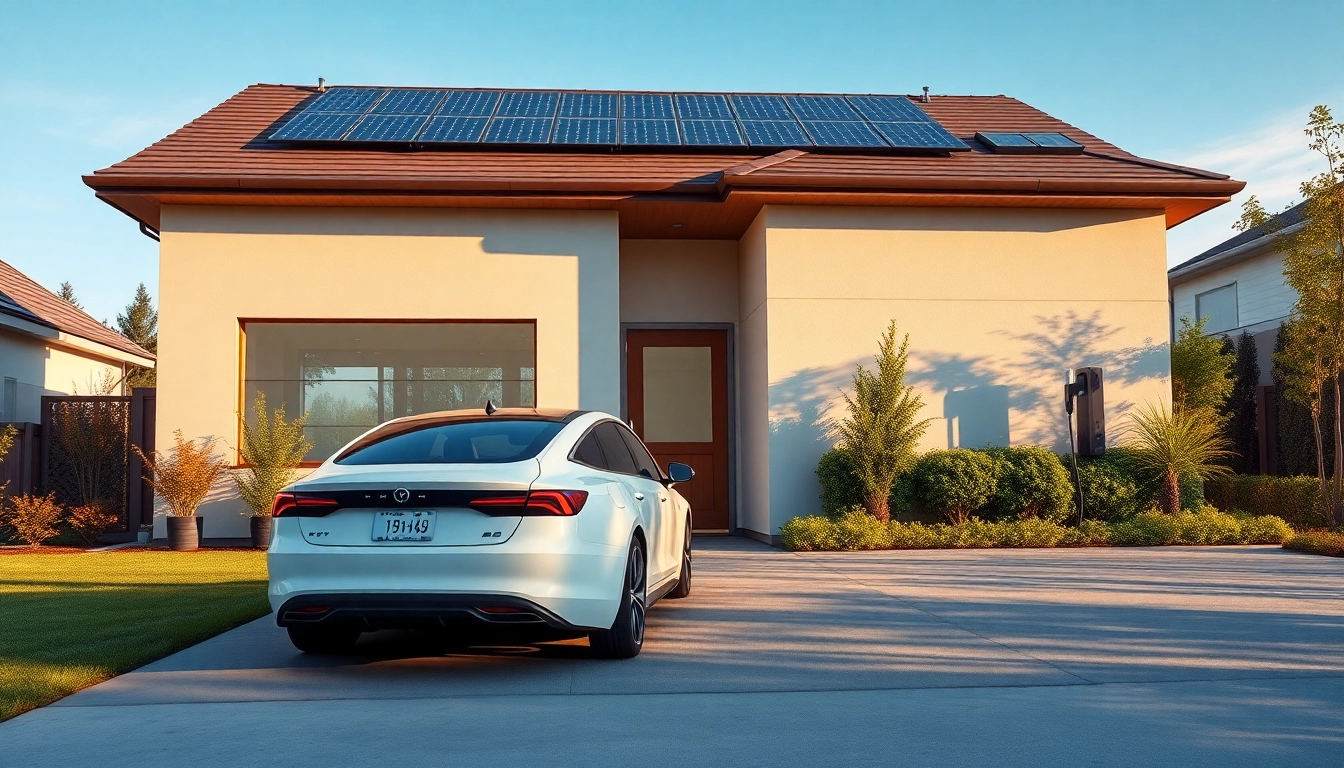
As renewable energy becomes more accessible, integrating solar panels with EV chargers presents an eco-friendly option for homeowners. This synergy allows users to charge their vehicles using clean energy, reducing overall costs and environmental impact.
Preparing for the Future of EV Charging
Homeowners should stay abreast of advancing technologies and regulations that affect home EV charging. This will ensure they are prepared to adapt their setups as EV technology continues to progress.