
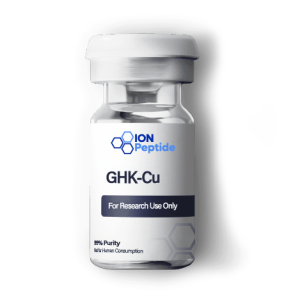
GHK-CU is a naturally occurring copper-binding peptide that has captured significant attention in scientific research for its role in skin, hair, and cellular health. Found in human plasma, saliva, and urine, GHK-CU naturally declines with age, correlating with slower tissue repair and reduced regenerative capacity. Numerous studies have investigated its molecular and cellular effects, highlighting its potential in regenerative medicine, dermatology, and anti-aging applications.
GHK-CU and Skin Health
One of the most studied applications of GHK-CU is its effect on skin. Research indicates that GHK-CU stimulates collagen and elastin production, improving skin firmness, elasticity, and hydration. Its ability to regulate genes associated with tissue remodeling and antioxidant defense enables GHK-CU to repair damaged skin and reduce signs of aging. Clinical studies have shown that topical or injectable GHK-CU can accelerate wound healing, reduce fine lines, and improve overall skin texture.
Effects of GHK-CU on Hair Growth
GHK-CU also plays a crucial role in hair follicle health and hair growth. Scientific studies demonstrate that GHK-CU strengthens hair follicles, prolongs the growth phase of hair, and can potentially reduce hair thinning. By influencing cellular signaling pathways, GHK-CU ensures optimal nutrient delivery and structural support to hair follicles. These findings position GHK-CU as a key peptide in dermatological and cosmetic research focused on hair regeneration.
Cellular Health and Regeneration
Beyond skin and hair, GHK-CU impacts overall cellular health. GHK-CU modulates gene expression related to inflammation, antioxidant activity, and tissue repair. By activating fibroblasts, keratinocytes, and other regenerative cells, GHK-CU enhances cellular renewal and supports the maintenance of healthy tissues. Research suggests that GHK-CU can improve cell communication, promote extracellular matrix stability, and protect cells from oxidative stress.
Wound Healing and Tissue Repair
Scientific investigations have confirmed that GHK-CU accelerates wound healing. The peptide enhances fibroblast proliferation, stimulates angiogenesis, and reduces oxidative stress at injury sites. GHK-CU also regulates inflammatory responses, ensuring a favorable environment for tissue repair. These mechanisms make GHK-CU a promising therapeutic agent for chronic wounds, post-surgical recovery, and other tissue repair applications.
Anti-Aging Implications
The anti-aging potential of GHK-CU is linked to its regenerative properties. By stimulating collagen synthesis, reducing inflammation, and supporting antioxidant defense, GHK-CU helps maintain youthful cellular function. Studies indicate that regular application or supplementation of GHK-CU can restore skin vitality, enhance hair density, and improve overall tissue resilience, highlighting its significance in anti-aging research.
Future Research Directions
Ongoing scientific studies are exploring new applications of GHK-CU in regenerative medicine, dermatology, and systemic therapies. Researchers are investigating optimized delivery methods, such as topical formulations, injections, and combination therapies, to maximize the peptide’s efficacy. The ability of GHK-CU to influence multiple regenerative pathways underscores its potential as a versatile tool for enhancing skin, hair, and cellular health.
Conclusion
GHK-CU is a well-researched copper peptide with profound effects on skin, hair, and cellular health. By promoting collagen and elastin production, enhancing hair follicle function, and supporting cellular repair, GHK-CU contributes to tissue regeneration and overall biological resilience. Scientific studies continue to validate the therapeutic and cosmetic applications of GHK-CU, establishing it as a cornerstone in regenerative science and anti-aging strategies.