Understanding Crawl Space Restoration
What is Crawl Space Restoration?
Crawl space restoration is the process of repairing and maintaining the often neglected areas beneath homes that can lead to larger structural problems if left unaddressed. It involves various interventions designed to mitigate moisture issues, ensure proper ventilation, and prevent pest infestations. By reconstructing this crucial area, homeowners can significantly enhance the overall health of their living environment. Proper Crawl Space Restoration not only safeguards the foundation of a house but also contributes to better indoor air quality and energy efficiency.
Importance of Crawl Space Maintenance
A well-maintained crawl space plays a vital role in a home's structural integrity. It supports the foundation, aids in moisture regulation, and can prevent health hazards associated with mold and pests. Regular maintenance ensures that this usually out-of-sight area is barriered against external elements, safeguarding your home from potential damages and costly repairs down the road. Moreover, it influences the efficiency of your heating and cooling systems, which can lead to lower energy bills.
Common Issues Affecting Crawl Spaces
Several issues can afflict crawl spaces, often exacerbated by neglect. Common problems include:
- Moisture Accumulation: Excess moisture leads to mold growth, wood rot, and structural issues.
- Pest Infestations: Rodents, insects, and termites can invade, often finding a thriving environment in damp, dark crawl spaces.
- Insufficient Ventilation: Poor airflow can trap humidity and exacerbate mold growth, compromising air quality.
- Foundation Cracks: Any signs of cracks can indicate serious structural problems that require immediate attention.
Signs Your Crawl Space Needs Restoration
Visible Indicators of Damage
The first step towards ensuring your crawl space is healthy is recognizing visible signs of damage. Look for:
- Water stains or standing water
- Mold or mildew growth, often characterized by a musty odor
- Cracked or crumbling foundation walls
- Unusual pest activity evidenced by droppings or nests
Environmental Factors to Monitor
Besides visible damage, environmental factors play a significant role in crawl space health. Homeowners should keep an eye on:
- High humidity levels, ideally between 30% and 50%
- Temperature fluctuations which may signal poor insulation or ventilation
- Heavy rainfall or flooding events that could lead to water ingress
- Nearby vegetation that may contribute to moisture or pest issues
Impact of Ignoring Crawl Space Problems
Neglecting crawl space issues can lead to severe repercussions. Beyond immediate concerns like structural damage, unresolved problems can contribute to long-term health risks, including respiratory issues from mold spores in the air and increased energy costs due to inefficient heating and cooling. Over time, these issues compound, leading to more considerable expenses and extensive restorations.
Step-by-Step Process for Crawl Space Restoration
Initial Inspection and Assessment
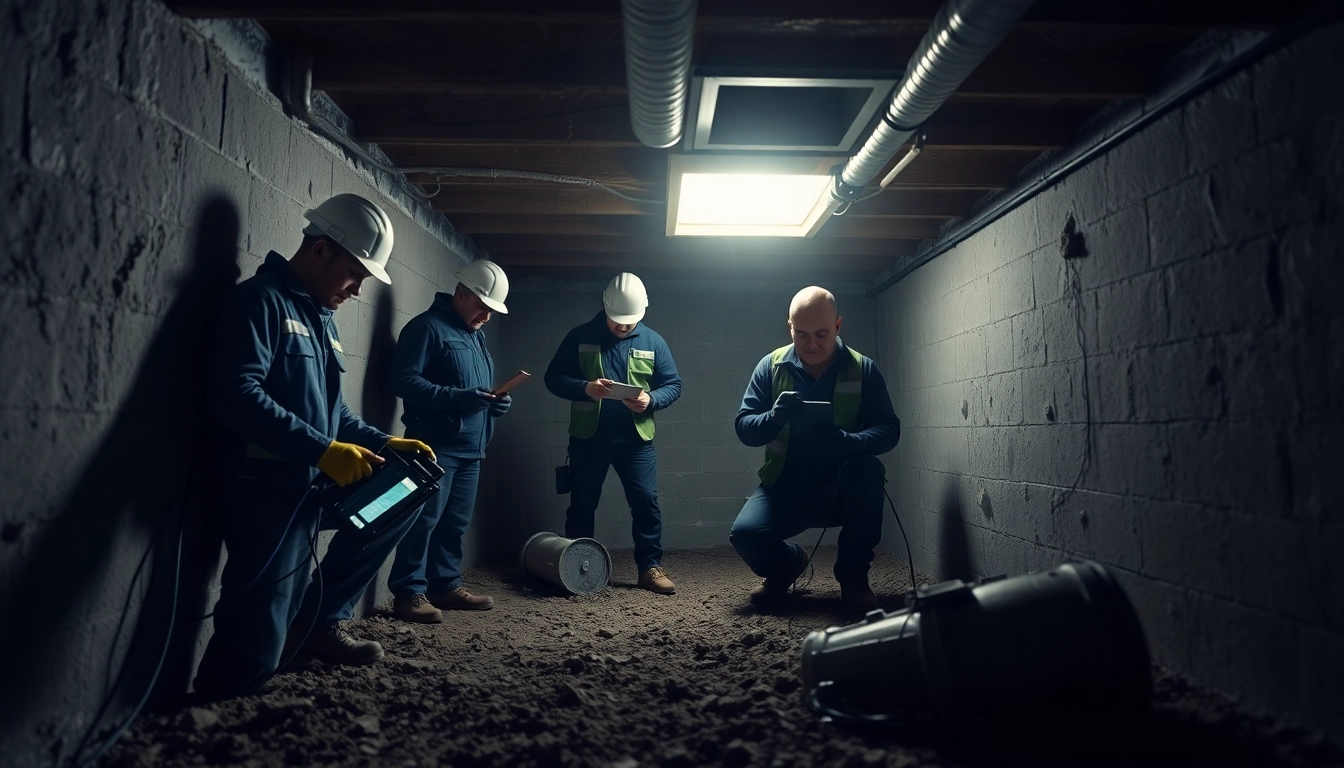
The restoration process begins with a thorough inspection of the crawl space. This assessment involves checking for moisture levels, identifying any signs of damage, and evaluating existing ventilation systems. Engaging professionals with expertise in crawl space inspection ensures that no critical issues go unnoticed, preparing the ground for effective restoration measures.
Waterproofing and Moisture Control
Once identified, moisture issues should be addressed immediately. This may entail setting up drainage systems, applying waterproof coatings on walls and floors, and installing vapor barriers to prevent ground moisture from seeping into the space. Ensuring that gutters and downspouts direct water away from the house also plays a crucial role in maintaining a dry environment.
Installing Proper Ventilation
Proper ventilation is vital in controlling humidity levels and ensuring the health of the crawl space. This can be achieved through the installation of exhaust fans, vents, or dehumidifiers which actively circulate air and remove excess moisture. Well-planned ventilation not only mitigates potential issues but also contributes to overall energy efficiency within the home.
Best Practices for Long-Term Crawl Space Health
Regular Maintenance Tips
Maintaining crawl space health involves more than just an initial restoration; it requires ongoing efforts. Homeowners should establish a routine maintenance schedule, including annual inspections, cleaning debris, monitoring moisture levels, and checking for any visible signs of damage. These practices can prolong the life of your crawl space and prevent issues from escalating.
Creating a Barrier against Pests
To protect your crawl space from pest infestations, consider installing pest barriers. This can include physical barriers like mesh or screening over vents and openings, as well as treating the area with safe pest repellents. Regularly inspecting for signs of pests and taking swift action can help maintain a pest-free environment.
Choosing the Right Materials for Restoration
When selecting materials for crawl space restoration, consider durability and moisture resistance. Waterproof paints, sturdy vapor barriers, and materials engineered to resist pests will ensure your crawl space remains healthy long-term. Opting for environmentally friendly materials also contributes to a healthier indoor air quality.
FAQs About Crawl Space Restoration
What are common signs of crawl space damage?
Signs include musty odors, visible mold, standing water, and wood rot.
How often should a crawl space be inspected?
Inspect at least once a year or after significant weather events for best results.
Can crawl spaces affect home air quality?
Yes, poorly maintained crawl spaces can lead to indoor air quality issues due to moisture and mold.
What is the cost of crawl space restoration?
The cost can vary widely based on the extent of damage but typically ranges from $1,500 to $7,500.
Is professional help necessary for crawl space restoration?
While some tasks can be DIY, professional help is often recommended for thorough restoration.