
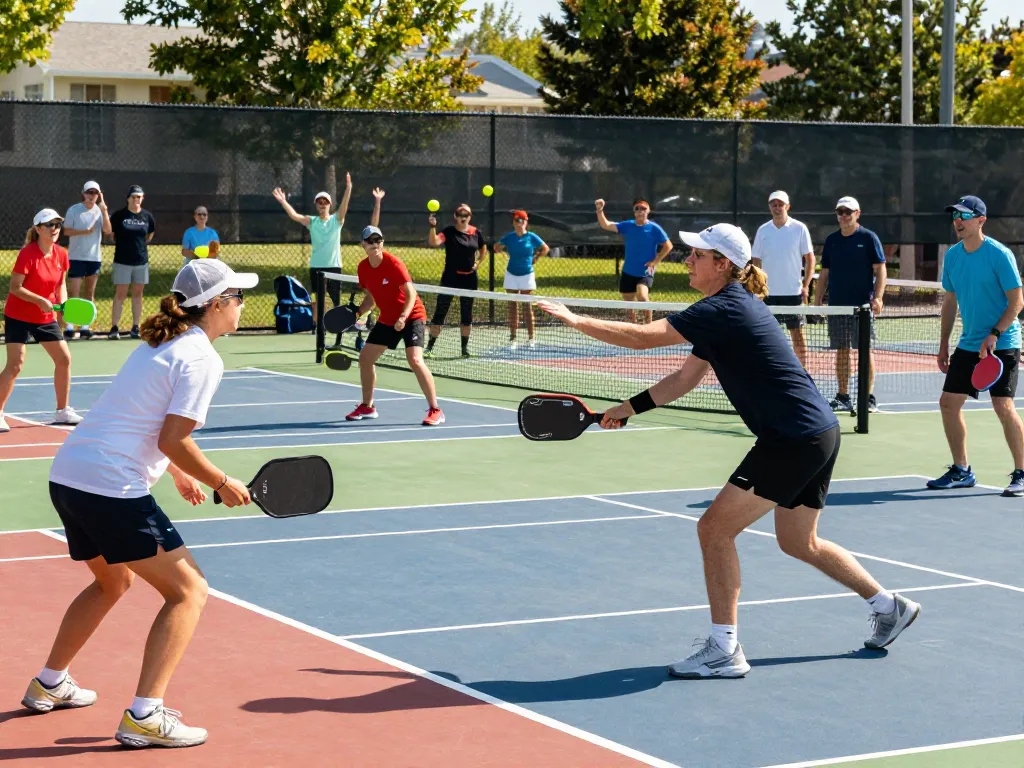
Understanding Pickleball Paddles: Types and Features
Pickleball paddles are essential tools for both beginners and seasoned players, influencing gameplay and performance in significant ways. Selecting the right paddle can enhance your skills on the court and improve enjoyment of the game. When exploring options, pickleball paddles come in various materials and designs, catering to different styles and skill levels. In this section, we'll delve into the composition of paddles, their shapes, and the importance of grip size.
What Are Pickleball Paddles Made Of?
Pickleball paddles are constructed from a range of materials that play a crucial role in their performance. The three primary materials used in paddle construction are:
- Wood: Traditionally the most common material, wood paddles are durable and generally the least expensive. They are ideal for beginners or casual players.
- Composite: These paddles combine different materials, including fiberglass or carbon fiber, providing enhanced performance and feel. Composite paddles are favored by intermediate and advanced players due to their balance of power and control.
- Graphite: Graphite paddles offer superior lightweight options with excellent power potential and a refined touch. They are popular among competitive players, providing a high-performance experience.
Choosing the Right Paddle Shape
The shape of a pickleball paddle can greatly influence how a player interacts with the ball. Different shapes cater to various play styles:
- Standard Shape: This shape offers a balance of power and control, making it suitable for a wide range of players.
- Square or Widebody Shape: Ideal for players who prefer a larger sweet spot, these paddles deliver more power, although they may sacrifice some finesse.
- Elongated Shape: For players who favor reach and control, elongated paddles are the answer, allowing for better ball placement and defensive plays.
Grip Size: Why It Matters
Choosing the correct grip size is imperative for comfort and performance when playing pickleball. A grip that is too large can lead to decreased control and the potential for injuries, while a grip that is too small can hinder your ability to maneuver the paddle effectively. Grip sizes are typically categorized as:
- Small Grip: Best for players with smaller hands, allowing for better handling.
- Medium Grip: This is the most common size, suitable for average hand sizes.
- Large Grip: Ideal for players with larger hands, promoting a firm hold and increased stability during swings.
The Benefits of High-Quality Pickleball Paddles
Investing in high-quality pickleball paddles can yield enhanced performance, better game satisfaction, and improved longevity of the equipment. Quality paddles are not just about price; they incorporate advanced technologies that can significantly affect play.
Enhanced Performance Through Material Innovation
Manufacturers are consistently innovating materials to create paddles that enhance player performance. For example, the use of advanced polymer core materials allows for better shock absorption and improved control during play. Such innovations mean that a high-quality paddle can provide consistent performance across various courts and conditions.
Importance of Paddle Weight for Control
The weight of a paddle greatly influences how a player can control their shots and maneuver during a game. Lighter paddles are easier to handle and quicker for quick volleys near the net, while heavier paddles provide more power, especially for driving shots. Players must assess their style and physical capabilities when choosing paddle weight.
Cost vs. Craftsmanship: Finding Value
While premium paddles can be costly, they often justify their price point through superior craftsmanship, material quality, and advanced technologies. It's essential for players to balance their budget against the performance features offered by paddles. Understanding the nuances of different paddles can help in making a wise investment that aligns with individual playing styles.
How to Choose Your First Pickleball Paddle
For beginners stepping into the world of pickleball, selecting the right paddle can be daunting. However, by focusing on specific factors related to skill level and playing style, beginners can confidently make their choice.
Evaluating Skill Level and Play Style
Determining your skill level is fundamental in selecting a suitable paddle. Beginners should look for paddles that offer forgiveness on misses, while intermediate and advanced players might prioritize features that enhance their control and spin capabilities. Furthermore, playing styles vary, with power players needing paddles that can withstand aggressive gameplay, whereas control players focus on precision.
Budget-Friendly Picks for Beginners
For those just entering the sport, it's wise to invest in a paddle that balances quality and affordability. Many reputable brands offer excellent paddles under $100 that cater to beginners, allowing newcomers to experience the game without a significant initial investment.
Top Features to Look for in Your Initial Paddle
When choosing your first paddle, look for the following features:
- Weight: Choose a lightweight paddle for ease of use.
- Material: Go for composite options if your budget permits, as they provide a good balance of power and control.
- Size: Ensure the paddle is the right size and grip for your hand to maximize comfort.
Advanced Paddle Technologies for Competitive Players
As players advance in skill level, the technologies incorporated into pickleball paddles become increasingly important. Understanding these technologies can help competitive players choose paddles that enhance their game.
Understanding Paddle Ratings and Reviews
Before purchasing, competitive players should pay attention to paddle ratings and reviews from other players. Ratings often highlight the strengths and weaknesses of specific paddles, guiding players toward the best choices for their style of play. Sites like JustPaddles provide comprehensive reviews that can simplify this process.
Usage of Spin Rate and Exit Velocity in Paddle Selection
Advanced players should consider paddle specs like spin rate and exit velocity. Higher spin rates can create challenging shots for opponents, while paddles with greater exit velocity can enhance shot speed and power. Understanding these measurements allows players to choose paddles that align with their gameplay strategies.
Future Trends in Paddle Engineering for 2026
The future of paddle engineering is likely to lean towards even more innovative materials that improve performance. Technologies incorporating artificial intelligence and machine learning to analyze player habits might emerge, leading to personalized paddle designs tailored to individual playing styles. Expect to see greater integration of smart technologies in paddles to enhance real-time performance feedback.
Paddle Maintenance and Care Tips
To ensure longevity and performance, proper maintenance of pickleball paddles is crucial. Following a few simple steps can help extend the life of your equipment.
How to Clean and Store Your Paddle
After each game, ensure you wipe down your paddle with a damp cloth to remove dirt and sweat, which can damage the surface over time. Store your paddle in a protective case in a cool, dry place to prevent warping and maintain its integrity.
Signs Your Paddle Needs Replacement
Recognizing when to replace your paddle is key to maintaining peak performance. Signs of wear such as cracks, significant surface wear, or a noticeable decrease in performance are indicators that it's time for a new paddle.
Best Practices for Long-Lasting Performance
To maximize your paddle's lifespan, avoid exposing it to extreme temperatures, and refrain from using it for activities other than pickleball. Regular inspection for any physical damage is also recommended to catch issues early.
What are the best pickleball paddles for beginners?
Some of the best paddles include the Selkirk Amped series and the JOOLA range, which provide excellent control and power suitable for new players. These brands are highly recommended for their quality and affordability.
How do I know which pickleball paddle to choose?
The right paddle for you largely depends on your playing style and comfort. Engaging with a Paddle Coach or utilizing online quizzes can provide personalized recommendations based on your preferences.
What features should I look for in a paddle?
Look for materials that ensure durability, weight that complements your play style, and grip sizes that fit your hand comfortably. It's essential to test paddles whenever possible to find your best fit.
Are expensive paddles worth the investment?
Expensive paddles often offer advanced technologies and superior quality. If you are committed to improving your game, investing in a higher-quality paddle can provide significant benefits.
What are the differences between wood and composite paddles?
Wood paddles are generally heavier, more durable, and less expensive, making them suitable for beginners. Composite paddles, however, are lighter and offer better performance features, making them more suitable for competitive play.