The Importance of Choosing the Right Hoods
When it comes to designing a functional kitchen, the choice of hoods cannot be overlooked. Hoods serve not just an aesthetic purpose but are crucial for maintaining a clean and safe cooking environment. In this extensive guide, we'll dive deep into why selecting the right hoods can elevate both the functionality and design of your kitchen.
Understanding the Functionality of Hoods
At their core, hoods are designed to ventilate your kitchen by effectively removing smoke, steam, and odors that come from cooking. They play a crucial role in air quality, minimizing the buildup of grease and moisture that can lead to problems like mold or unpleasant odors. By extracting unwanted particles from the air, hoods help provide a healthier environment for cooking and dining.
Key Features to Consider
When selecting hoods, it's essential to consider several factors to ensure they meet your needs:
- Size: Choose a hood that fits your cooking space adequately. A hood should generally be at least as wide as your cooking surface.
- Type of Ventilation: Determine if you need a ducted or ductless system. Ducted hoods expel air outside, while ductless systems recycle air back into the kitchen.
- Noise Level: Pay attention to the hood's noise level, measured in sones. Quieter hoods (around 3 sones) are more desirable in home kitchens.
- Filter Type: The type of filter used in a hood—mesh, baffle, or charcoal—affects performance. Baffle filters are often more efficient for greasy cooking.
- Design and Style: While functionality is critical, the visual aspect of your hood contributes significantly to your kitchen's aesthetic appeal.
How Hoods Improve Kitchen Air Quality
Hoods equipped with powerful ventilation systems provide several advantages:
- Reduction of Pollutants: Cooking generates various pollutants, including volatile organic compounds (VOCs) and particulates. Hoods help capture and remove these from the air.
- Humidity Control: By expelling steam and moisture, hoods help lower humidity levels, making it harder for mold and bacteria to thrive.
- Odor Elimination: Many hoods come with activated carbon filters that trap odors, thereby ensuring that unwanted smells do not linger in your home.
Types of Hoods for Your Kitchen
Choosing the right type of hood for your kitchen can significantly enhance both its functionality and aesthetics. Below, we outline the various types of hoods available on the market.
Wall-mount Hoods: A Stylish Choice
Wall-mount hoods are typically mounted against a wall and can be a stunning focal point in your kitchen. They come in various designs, from sleek, modern stainless steel to traditional models. This type of hood is well-suited for homes where the stove is not centered on an island but rather against a wall.
Island Hoods: Centerpiece Features
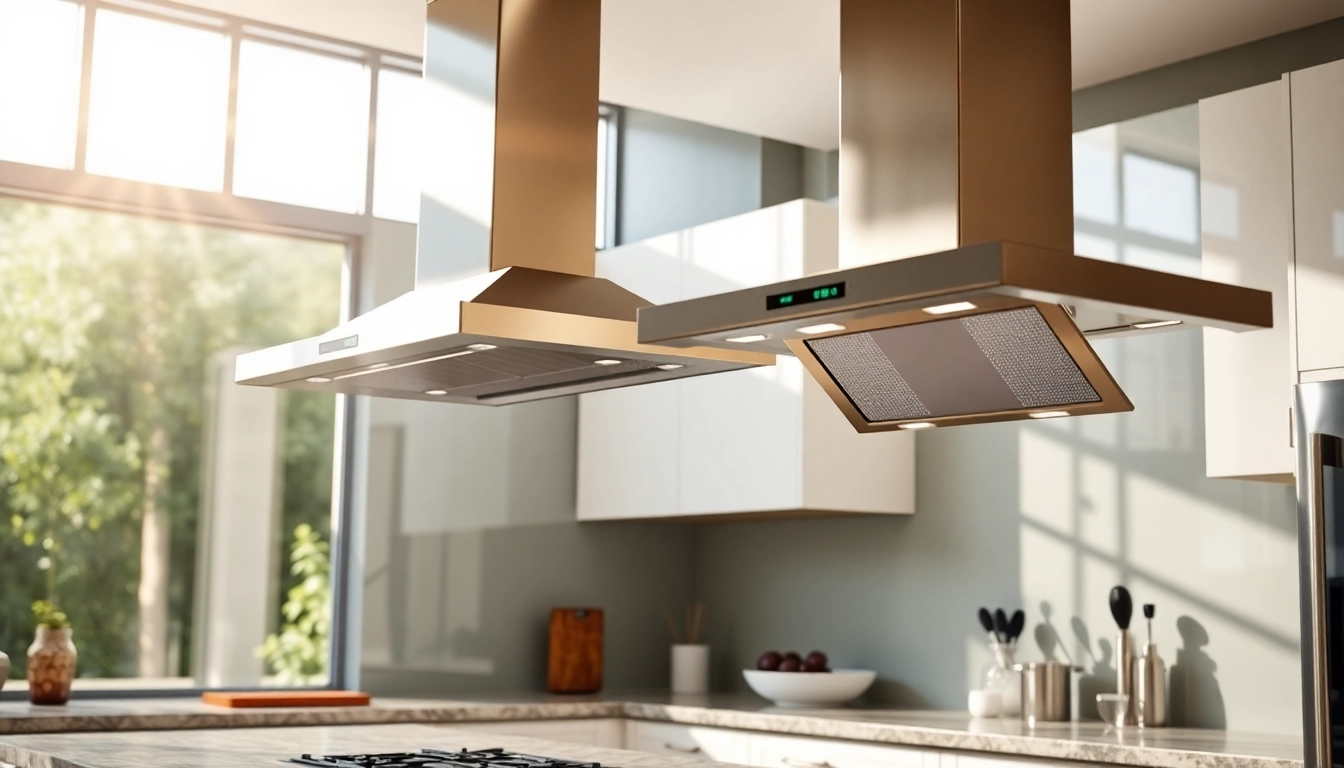
If your cooking surface is located on a kitchen island, an island hood is a perfect choice. These hoods hang from the ceiling and offer ventilation without wall support, allowing for an open-concept layout. Island hoods are often larger and can feature unique styles that contribute to the kitchen's overall aesthetic.
Under-Cabinet Hoods: Space Savers
Designed to fit under kitchen cabinets, these hoods are ideal for smaller kitchens or those seeking a minimalist approach. They come in various sizes and styles, allowing you to conceal them when not in use. Their compact nature does not compromise effectiveness, making them a popular choice.
Installation Tips for Hoods
Installing a hood requires careful planning and execution to ensure optimal performance. Here are some tips to guide you through the process.
Preparing Your Space
Ensure that your kitchen has a dedicated power supply and ventilation path. Measure the height and width of your cooking surface to select a hood that fits appropriately. Don't forget to check local building codes and regulations regarding installation.
Tools Needed for Installation
Gather essential tools such as a drill, screws, screwdrivers, and a level. Depending on the type of hood, you may also need ducting supplies for ducted models. A second pair of hands can be beneficial for larger hoods.
Common Installation Mistakes
Several common mistakes can hinder the installation process:
- Incorrect Height: Ensure that the hood is installed at the recommended height above the cooking surface—for most models, this is 24 to 30 inches.
- Poor Ventilation: Not following the duct run guidelines can lead to inefficient performance. Ensure a straight duct run where possible.
- Electrical Issues: Ensure that there's a proper electrical connection for powered models to avoid malfunctions.
Maintenance and Care for Hoods
Regular maintenance ensures that your hood functions effectively and lasts longer. Here are some best practices for care.
Regular Cleaning Practices
Cleaning your hood depends on its filter type. For mesh or baffle filters, wash them in warm, soapy water every month. If your hood has charcoal filters, replace them as per the manufacturer's recommendations.
Identifying When to Replace Filters
Filters need changing when they become clogged, which decreases efficiency. A sign that a filter needs replacement can be diminished airflow or the presence of lingering odors.
Extending the Lifespan of Your Hoods
To extend the life of your hoods, refrain from using them without the filters in place and avoid using high cooking temperatures without necessary ventilation. Regular checks for loose parts and cleaning will maximize efficiency.
FAQs about Hoods
What are hoods?
Hoods refer to ventilators above cooking surfaces that remove smoke, odors, steam, and grease from the kitchen air, ensuring better air quality.
How do hoods improve kitchen air quality?
Hoods extract smoke, steam, and odors, reducing pollutants and humidity. Regular ventilation helps maintain a healthy cooking and dining environment.
What materials are hoods made of?
Common materials for hoods include stainless steel, aluminum, and sometimes wood or glass materials for decorative finishes.
Can hoods be installed in any kitchen layout?
Most hoods can be adapted for various kitchen layouts. However, you should select the right type and size based on the specific kitchen configuration.
How often should hoods be cleaned?
You should clean your hood every month, especially if you frequently cook high-grease foods. Regular maintenance aids in optimal performance.